 Stefani Rindus
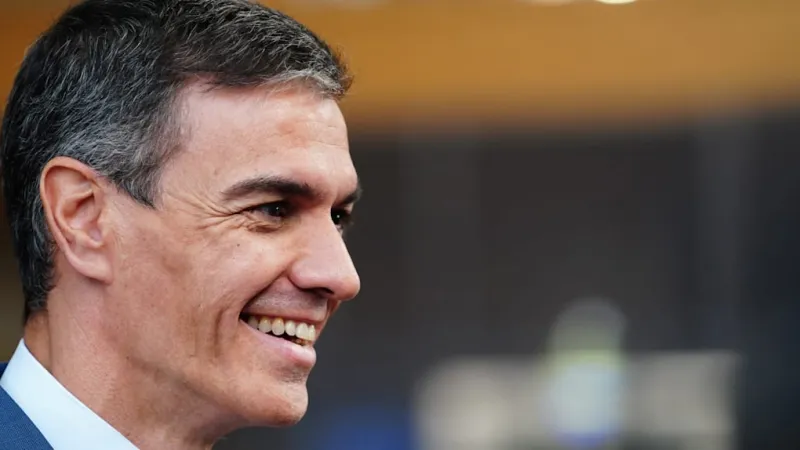
Spanish Premier Pedro Sanchez has drawn considerable criticism for sharing a personal “soundtrack of my summer” playlist on social media, even as the humanitarian crisis stemming from a recent surge in migrant arrivals in the autonomous city of Ceuta continues to unfold. The perceived disconnect between the premier's leisurely post and the stark realities faced by thousands of vulnerable individuals in the enclave has ignited a public outcry.
The situation in Ceuta remains precarious, with official reports confirming the return of many migrants to Morocco. However, a significant number, estimated in the thousands, are unaccompanied minors who are expected to remain within Spanish borders for the foreseeable future. These young people are currently awaiting distribution to various reception centers across Spain, their futures profoundly uncertain.
The timing of Sanchezs social media update, against the backdrop of an ongoing humanitarian challenge, has been particularly jarring for many observers and aid organizations. Critics argue that such a public display of summer relaxation demonstrates a notable lack of empathy or awareness regarding the persistent plight of those stranded in Ceuta.
Local authorities in Ceuta continue to grapple with the logistical and humanitarian challenges posed by the influx. The infrastructure designed to accommodate migrants has been stretched to its limits, and resources for the care of unaccompanied minors are under immense strain. The city has become a focal point for the wider European debate on migration management and border security.
The recent surge saw an unprecedented number of individuals attempting to enter Spanish territory, highlighting the porous nature of the border between Morocco and the Spanish enclaves. While many adults were swiftly repatriated, international law and humanitarian principles mandate a more cautious and protective approach toward minors, complicating their return.
Concerns over the welfare of these unaccompanied children are paramount. They are particularly vulnerable to exploitation and trauma, having often undertaken dangerous journeys to reach Europe. Their prolonged stay in temporary facilities underscores the urgent need for comprehensive, long-term solutions.
The Ceuta crisis has ignited broader calls for enhanced EU border fortification and discussions surrounding external asylum processing. Observers note that the incident exposed critical vulnerabilities in European migration policies and sparked debates across the continent regarding shared responsibility. Read more about calls for EU border fortification.
Political leaders across Europe, including Italian Premier Meloni and others, have pressed for a summit to address the situation in Ceuta, with Sanchez himself denouncing certain Schengen curbs. This international dimension further emphasizes the gravity of the situation beyond Spains immediate borders. Learn about the EU leaders response to the crisis.
Even in the United States, President Donald Trump and other prominent political figures have weighed in, describing the migrant surge as an “invasion” amidst ongoing electoral discussions. This commentary underscores the global resonance of the Ceuta events, transcending regional concerns. Discover how US politicians reacted to the Ceuta migrant surge.
For the children in Ceuta, the immediate future remains a bureaucratic labyrinth. Spanish child protection services, in coordination with regional governments, are working to process their cases and ensure appropriate care and placement. However, the sheer volume of cases presents an overwhelming challenge.
The juxtaposition of Sanchezs lighthearted social media content with the profound humanitarian challenges in Ceuta has served to underscore the persistent tension between the daily realities of governance and the public perception of political leadership during times of crisis. It highlights the delicate balance leaders must strike in their public communications.
Ultimately, the fate of the thousands of unaccompanied minors in Ceuta continues to demand urgent attention and collaborative solutions, both within Spain and across the European Union, irrespective of the political messaging emanating from Madrid.