 Angel Doris
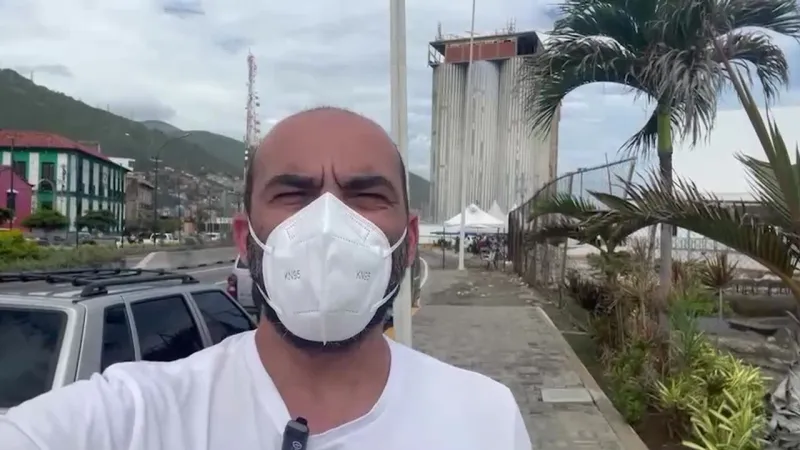
In a stark and grim testament to the overwhelming scale of a recent catastrophe, La Guaira, Venezuela, has seen its port silos converted into a makeshift mortuary as local authorities grapple with an unprecedented number of fatalities. Distraught relatives are converging on the site, desperately seeking the remains of their loved ones, while health officials warn of a rapidly escalating risk of epidemic diseases throughout the coastal region.
The dire situation underscores the humanitarian crisis gripping the city following an unconfirmed natural disaster, which has claimed scores of lives and devastated infrastructure. Traditional mortuary facilities have been completely overwhelmed, necessitating the unconventional use of industrial storage units.
Families, many having endured days of agonizing uncertainty, arrive at the port with dwindling hope, clinging to any possibility of identifying their missing kin. The air is thick with grief and the acrid smell of makeshift sanitation efforts, compounding the trauma for those present.
Public health experts are sounding urgent alarms regarding the unsanitary conditions and the potential for infectious diseases to spread. The sheer volume of deceased individuals, combined with inadequate refrigeration and sanitation infrastructure, creates a fertile ground for outbreaks.
Officials from the Ministry of Health, who have been largely silent on the specifics of the disaster, acknowledge the acute challenges in managing the aftermath. Their primary focus, they stated in a brief notice, is on victim identification and public health measures.
The repurposing of the silos, typically used for grain or other commodities, highlights the extraordinary measures being undertaken to cope with the tragedy. This drastic step illustrates the depth of the crisis, which has crippled normal civic functions.
Community leaders are appealing for international aid, citing critical shortages of body bags, medical supplies, and trained personnel. The call comes as local resources are stretched to their breaking point, unable to meet the immediate needs of the affected population.
The disaster has drawn comparisons to previous catastrophic events in Venezuela, though the specifics of this incident remain largely undisclosed by government channels. Previous emergencies, such as the massive floods and landslides of 1999, also strained the nation's capacity for disaster response.
Reports from residents speak of widespread destruction across La Guaira and surrounding areas. Infrastructure damage has impeded rescue efforts and the distribution of humanitarian aid, further isolating communities in distress.
Amid the devastation, stories of incredible survival have emerged, offering glimmers of hope. In related incidents following the same catastrophe, children were found alive after being trapped for days under rubble, as detailed in reports like Miracle in La Guaira: Three-Year-Old Boy Survives Six Days Under Rubble and Miracle Amid Rubble: Two Children Rescued Six Days After Venezuela Quake. These instances underscore the immense resilience of the human spirit even in the face of overwhelming odds.
However, for many families arriving at the port silos, the search continues with a heavy heart, understanding that the discovery of a loved one's remains, while devastating, offers a crucial step towards closure in a tragedy still unfolding. The ongoing operation to process and identify bodies is a solemn, painstaking endeavor.
The international community watches closely, with several non-governmental organizations reportedly mobilizing resources to assist. However, logistical hurdles and political complexities often complicate the delivery of aid to Venezuela.
The long-term health implications for the region are a significant concern. Beyond immediate epidemic risks, the psychological toll on survivors and first responders will be profound, requiring sustained support and intervention.
Local authorities emphasize the need for patience and cooperation from the public as they work through the immense backlog of unidentified remains. The process of DNA identification and record-keeping is critical but time-consuming.
As dusk settles over the port, the grim tableau of grieving families against the backdrop of industrial silos serves as a poignant reminder of human vulnerability in the face of nature's wrath and the systemic challenges in disaster preparedness.
The situation demands transparency from government officials regarding the full extent of the disaster and a clear strategy for immediate relief and long-term recovery.