 Chandra Wijayanto
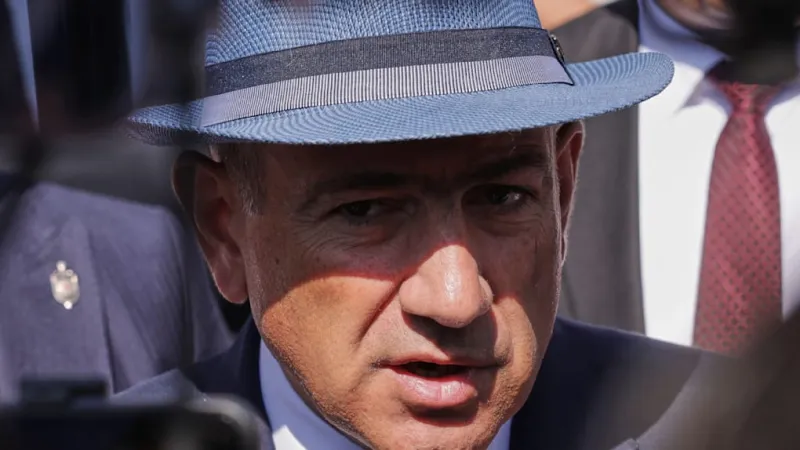
YEREVAN, Armenia - Prime Minister Nikol Pashinyan declared a "historic victory" for his pro-Western Civil Contract party on Sunday, as preliminary results from a pivotal general election indicated a decisive lead. The early proclamation arrived even before the full tabulation of votes, signaling a significant geopolitical reorientation for the South Caucasus nation poised between traditional Russian influence and a burgeoning alignment with the West.
Pashinyan's announcement followed a tense election campaign, widely seen as a referendum on Armenia's future strategic direction. Voters cast ballots to determine whether the country would further embrace Western democratic principles and economic ties or maintain its historically deep-rooted affiliations with Russia.
The Prime Minister, who rose to power through the 2018 Velvet Revolution, faced intense scrutiny over his handling of the 2020 Nagorno-Karabakh conflict. Despite the military defeat and subsequent loss of territory to Azerbaijan, his political movement appears to have garnered substantial support, reflecting a complex public sentiment.
This election outcome marks a crucial juncture for Armenia, a country strategically located at the crossroads of Europe and Asia. The emphatic endorsement of Pashinyan's pro-Western agenda could recalibrate regional power dynamics and international alliances.
Analysts suggest the Armenian election results underscore a desire among a significant portion of the populace to diversify their foreign policy and seek closer integration with European structures. Such a shift could have profound implications for security and economic development.
The Civil Contract party's campaign platform heavily emphasized democratic reforms, anti-corruption measures, and closer ties with the European Union and the United States. These pledges resonated with an electorate seeking stability and progress in a volatile region.
Russia, a longstanding ally and key security guarantor for Armenia, will undoubtedly observe these developments closely. The shift away from Moscow's traditional orbit presents a diplomatic challenge for the Kremlin, which has maintained military bases and significant economic leverage in the country.
International observers from various organizations monitored the electoral process, aiming to ensure transparency and fairness. Initial reports largely indicated an orderly voting procedure, despite the high stakes and polarized political environment.
The path forward for Armenia under a more explicitly pro-Western government will likely involve navigating delicate diplomatic relations with its neighbors and regional powers. Striking a balance between new alliances and existing commitments will be paramount.
The significant lead claimed by Pashinyan echoes other recent electoral contests in the wider region where populist or reformist movements have challenged established norms. For instance, Kurti Wins Kosovo Polls Amidst Low Turnout, Majority Undetermined, indicating a regional trend of voter preference for change.
As the final votes are tallied, the international community awaits the complete picture of the Armenian election results, understanding that this political victory carries substantial weight for regional stability and geopolitical alignment.
The Prime Minister's declaration, while premature by some standards, reflects the confidence within his party regarding the strength of their mandate. It also sets a clear tone for the country's future trajectory.
This electoral outcome could embolden other nations in the post-Soviet space contemplating similar shifts in their geopolitical orientation, potentially challenging Russia's traditional sphere of influence.
Domestically, Pashinyan faces the immediate task of forming a stable government and addressing pressing economic and social issues, exacerbated by the recent conflict. The clear mandate will provide him with political capital, but expectations will be high.
The decision by Armenian voters to largely back a pro-Western agenda comes at a time when the broader international landscape is characterized by increasing great power competition, making the country's alignment even more critical.
Experts suggest that Armenia's embrace of a pro-Western stance may lead to increased engagement with organizations like the Council of Europe and a more active pursuit of closer economic ties with the European Union.
The coming months will reveal the tangible impacts of this election, as Pashinyan's administration begins to implement policies aligned with its declared pro-Western orientation.
The question of how Russia will respond to Armenia's apparent geopolitical pivot remains central. Moscow has historically viewed the South Caucasus as a region of vital strategic interest.