 Demian Sahputra
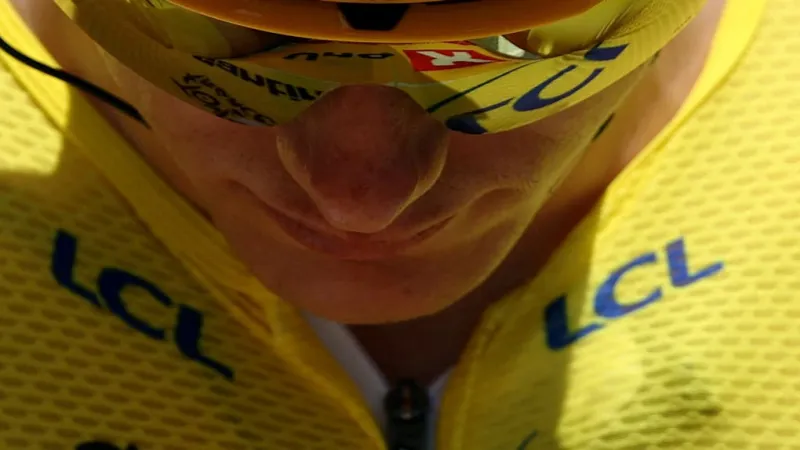
PARIS – In a remarkable turn of events, Norwegian cyclist Torstein Traeen, diagnosed with cancer four years ago after a routine doping control revealed the illness, now finds himself at the pinnacle of the cycling world, leading the iconic Tour de France. The 30-year-old athlete's unexpected health revelation via anti-doping measures and his subsequent ascent underscore a story of extraordinary resilience and profound gratitude.
Traeen's arduous battle began in 2022 when a biological passport anomaly, initially indicative of a potential doping violation, led to further medical investigation. Instead of uncovering illicit performance enhancement, the tests startlingly exposed a cancerous growth, fundamentally shifting the trajectory of his life and career. This highly unusual detection method has since become a unique footnote in sports medicine.
The shock of the diagnosis was tempered, Traeen has recounted, by the unwavering resolve of his medical team. "I'll make sure you don't die of cancer," his physician reportedly assured him, a statement that offered a critical lifeline of hope amidst the grim prognosis. This pivotal moment marked the beginning of a challenging treatment regimen.
For months, Traeen underwent intensive medical care, fighting the disease while simultaneously grappling with the uncertainty of his professional future. His dedication to recovery was absolute, balancing the demands of treatment with the ambition to return to competitive cycling. Many athletes in similar circumstances choose to step away from the sport permanently.
The Tour de France, one of the most grueling and celebrated sporting events globally, demands unparalleled physical and mental fortitude. To merely participate is an achievement; to lead the general classification, the yellow jersey, signifies a cyclist operating at the absolute peak of human endurance and tactical prowess.
Currently occupying the coveted yellow jersey, Traeen's performance has captivated audiences worldwide. His elevation to the top spot four years post-diagnosis is not just a personal triumph but a potent symbol of hope, demonstrating the capacity of the human spirit to overcome severe adversity and achieve extraordinary feats.
The Norwegian rider has openly expressed immense gratitude for his second chance at life and sport. His perspective on competition, he has indicated, has shifted profoundly. Every pedal stroke, every grueling climb, now carries a deeper meaning, imbued with the awareness of how close he came to losing it all.
This peculiar case also casts a rare positive light on the often-controversial world of anti-doping efforts. While primarily designed to ensure fair play, Traeen's experience highlights an unintended, life-saving ancillary benefit of stringent athlete monitoring programs. It underscores the comprehensive nature of biological data collected from elite competitors.
Medical professionals and sports scientists are now examining the broader implications of such incidental findings. The case raises questions about the scope of information that could be gleaned from routine athletic health checks and its potential for early disease detection, extending beyond the immediate concerns of performance integrity.
As the Tour de France continues its relentless course through France, all eyes remain on Torstein Traeen. His narrative transcends sports, resonating with anyone who has faced and conquered personal battles. Whether he ultimately maintains his lead or not, his remarkable journey has already etched his name into the annals of cycling history.
The physical toll of battling cancer and then returning to elite professional cycling cannot be overstated. Traeen's training regimen, recovery protocols, and mental resilience have been crucial in his resurgence, allowing him to contend with the world's best. His current form reflects years of dedication, not just to sport, but to health.