 Angel Doris
WASHINGTON — President Donald Trump today dismissed Iran's recent proposal for a regional security framework regarding the vital Strait of Hormuz, expressing deep skepticism over the Islamic Republic's sincerity given its history of regional aggression and maritime provocations. Speaking from the White House, President Trump characterized the initiative as a potential ploy, emphasizing that any credible security arrangement must first address Tehran's consistent destabilizing actions in the critical waterway.
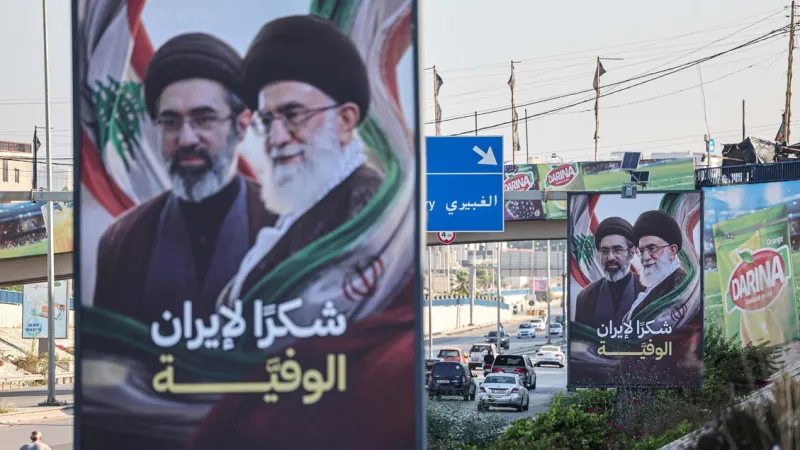
The Iranian proposal, articulated recently by Foreign Minister Hossein Amir-Abdollahian, called for littoral states to collectively ensure the security of the Strait, effectively advocating for the exclusion of external powers, particularly the United States. Tehran frames the plan as a means to foster regional cooperation and self-reliance, free from what it terms "foreign interference."
However, President Trump underscored a fundamental lack of trust. "We have seen these gestures before," President Trump told reporters, "and they are consistently followed by actions that undermine peace and stability. Iran cannot be trusted to be the sole arbiter of security in a global chokepoint like the Strait of Hormuz."
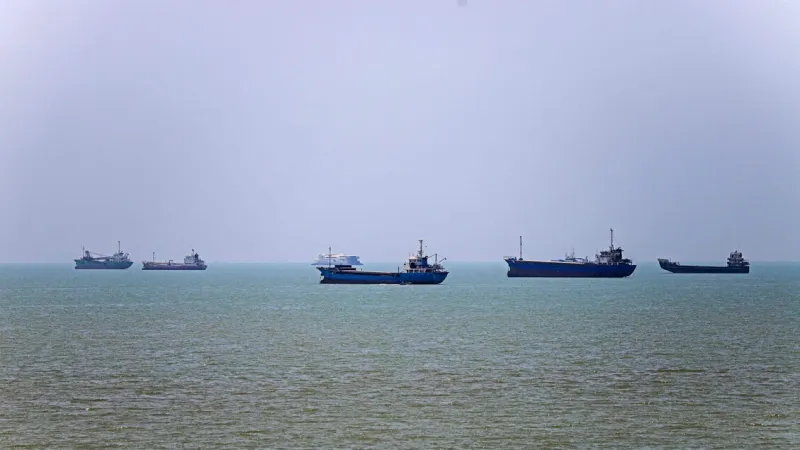
The Strait of Hormuz, a narrow passage between the Persian Gulf and the Gulf of Oman, is one of the world's most strategically important maritime routes. Approximately one-fifth of global oil consumption, along with significant volumes of liquefied natural gas, passes through this waterway daily, making its security paramount to the international economy.
Analysts suggest Tehran's initiative is likely aimed at diminishing the United States' military presence in the Gulf and legitimizing its own regional influence. Dr. Arash Khan, a Middle East policy expert at the Hudson Institute, noted, "Iran's long-standing ambition has been to reshape the regional security architecture to its advantage, often at the expense of its neighbors and international norms."
Historically, the Strait has been a flashpoint for confrontations. In recent years, incidents have included the seizure of commercial tankers, harassment of naval vessels, and suspected attacks on oil infrastructure, all widely attributed to Iranian forces or proxies. These events have routinely prompted international condemnation and increased maritime patrols.
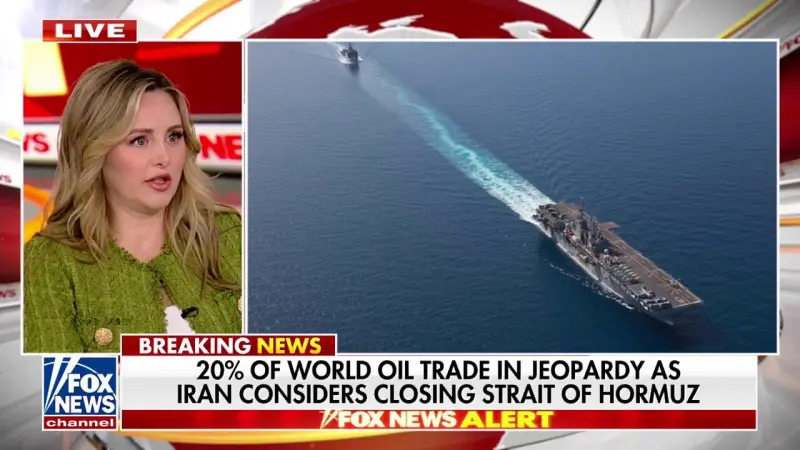
Washington maintains a robust military presence in the region, including the Fifth Fleet, specifically tasked with ensuring freedom of navigation and deterring aggression in international waters. President Trump reaffirmed this commitment, stating, "Our presence in the Gulf is non-negotiable. It is essential for global trade and to protect our allies."
Regional allies of the United States, including Saudi Arabia and the United Arab Emirates, have also expressed deep reservations about any security framework spearheaded by Iran. These nations view Tehran's regional ambitions with profound suspicion, often citing its support for proxy militias and interference in internal affairs of sovereign states.
The current skepticism surrounding Iran's proposal echoes past failed diplomatic overtures. Previous attempts at de-escalation or regional dialogues have often foundered on issues of trust and fundamental disagreements over Iran's nuclear program and its ballistic missile development, both significant concerns for Washington and its partners.
Critics of Iran's proposal argue that true regional security can only be achieved through transparency, verifiable commitments to international law, and a cessation of state-sponsored terrorism and proxy warfare. Without these foundational shifts, any security pact emanating from Tehran is likely to be viewed with extreme caution.
The White House indicated that while open to genuine diplomatic solutions, any proposal must come from a position of good faith and demonstrate a verifiable change in Iranian behavior. "Empty words will not secure the Strait," a senior State Department official, who requested anonymity to discuss sensitive diplomatic matters, stated. "Actions speak louder."
The geopolitical landscape of 2026 remains complex, with the United States continually recalibrating its approach to Middle Eastern security. President Trump's firm stance on Iran's latest proposal signals a continuation of a policy prioritizing robust deterrence and skepticism towards what is perceived as strategic posturing.
The international community broadly agrees on the critical importance of ensuring unimpeded passage through the Strait of Hormuz. However, the path to achieving this security remains deeply divided, with Iran advocating for a regional-only solution and the U.S. and its allies insisting on international norms and a strong deterrent presence.
For the global energy markets, the ongoing tensions surrounding the Strait introduce an element of risk premium into oil prices. Any perceived escalation or disruption in the waterway can lead to significant market volatility, underscoring the proposal's real-world economic implications beyond just political rhetoric.
President Trump's administration has consistently maintained that sustained pressure and clear red lines are necessary to manage Iran's behavior. This current rejection of the Strait of Hormuz proposal aligns with that broader strategy, indicating little appetite for concessions without substantive policy shifts from Tehran.
The diplomatic challenge now lies in finding a mechanism that can genuinely address the security concerns of all littoral states while upholding international maritime law and preventing any single actor from monopolizing control over a global commons. This remains a distant prospect given the prevailing distrust.
As the situation unfolds, international observers will be closely watching for any further responses from Tehran, and how regional players might react to President Trump's unequivocal rejection of the proposal. The rhetoric on both sides signals a sustained period of tension in a region already prone to volatility.
The core disagreement centers on the interpretation of "security." For Iran, it means an end to what it perceives as Western hegemony; for the U.S. and its allies, it signifies freedom of navigation and protection from state-sponsored aggression. Bridging this gap appears to be the most formidable hurdle.
This latest exchange serves as a clear reminder of the enduring geopolitical fault lines in the Middle East and the persistent challenges in forging consensus on regional stability. The Strait of Hormuz, once again, becomes a symbolic battleground in a broader struggle for influence and control.