 Dorry Archiles
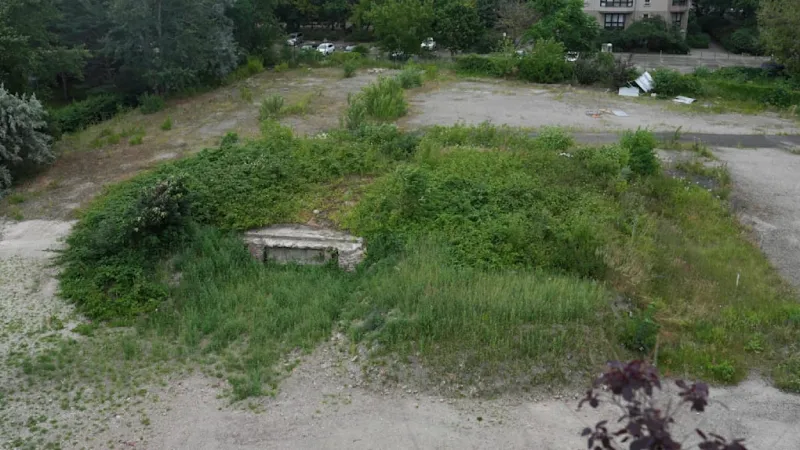
BERLIN — A contentious proposal to demolish significant sections of the bunker beneath Adolf Hitlers former Reichskanzlei has ignited a fierce debate in Berlin, pitting urban development against historical preservation. The controversy surrounds one of the last tangible remnants of the Nazi regimes central power, slated for partial destruction to facilitate the construction of modern residential units.
The development initiative, driven by an unnamed private consortium, seeks to transform the site into a contemporary housing complex, addressing Berlins persistent demand for new residences. However, critics argue that erasing such a historically charged structure risks whitewashing a crucial, albeit dark, chapter of German history.
Historians and civic groups across Germany have vocally condemned the plan, labeling it an affront to historical memory. They contend that the bunker, despite its grim associations, serves as a vital educational tool and a somber reminder of the atrocities committed under the Nazi regime. Its physical presence offers a unique opportunity for contemplation and remembrance.
The Reichskanzlei bunker, originally constructed as part of Hitlers sprawling New Reich Chancellery complex, witnessed critical moments in the final days of World War II. Its subterranean chambers were integral to the operations of the Nazi leadership, including Hitlers personal refuge, making it a powerful, albeit uncomfortable, historical landmark.
Proponents of the demolition argue that the site has long been a source of morbid fascination for neo-Nazis and sympathizers, suggesting that its removal could deter such pilgrimages. They maintain that new construction can symbolize Berlins forward-looking ethos, fostering a vibrant, inclusive community where past shadows no longer loom.
However, preservationists counter that demolition merely shifts the problem, potentially creating a void that could be misinterpreted or exploited. They advocate for alternative approaches, such as integrating portions of the bunker into a memorial, an educational center, or even an archaeological park, ensuring its story is told responsibly.
This debate echoes other global challenges concerning the preservation of historically complex sites. For instance, discussions around the maintenance and interpretation of sites like the Lincoln Memorial Reflecting Pool in the United States illustrate the ongoing global dialogue about balancing preservation with contemporary needs and interpretations.
Local government officials find themselves navigating a delicate balance between facilitating necessary urban growth and upholding the cities commitment to historical integrity. Public consultations have been fraught with emotionally charged testimonies from both sides, highlighting the profound societal implications of the decision.
Architectural plans for the proposed residential development indicate a complete overhaul of the surface area, with only limited, or perhaps no, recognition of the significant historical layers beneath. This approach further fuels the outcry, as opponents insist that historical context must be visibly integrated into any new design.
As of early 2026, the demolition plans face significant hurdles, including ongoing legal challenges and widespread public protests. Activist groups have mobilized, demanding a moratorium on any destruction until a comprehensive and ethically sound strategy for the site's future can be developed and agreed upon by all stakeholders.
The discourse extends beyond the immediate fate of the bunker, touching upon broader questions of how Germany confronts and integrates its past into its present urban fabric. The decision regarding the Reichskanzlei bunker is poised to set a significant precedent for similar sites across the nation.
Ultimately, the city of Berlin stands at a crossroads, forced to weigh economic imperatives against moral responsibilities. The resolution of this highly charged dispute will undoubtedly reflect Germany's evolving relationship with its challenging history and its commitment to collective memory in the 21st century.