 Chris Robert
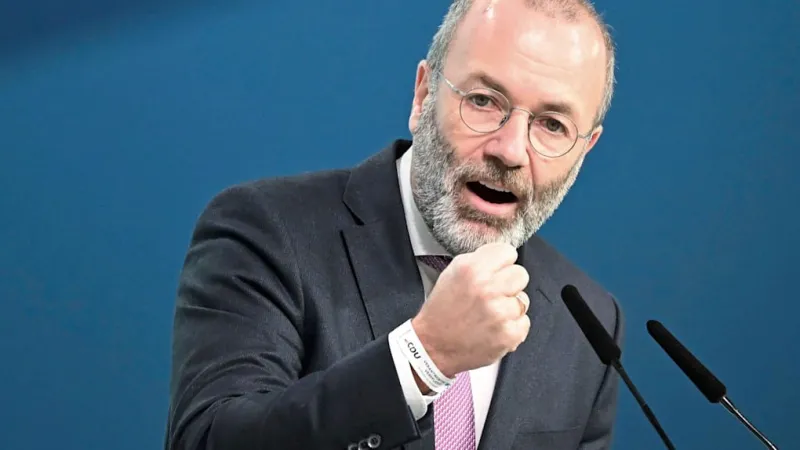
BRUSSELS – Manfred Weber, head of the European Peoples Party (EVP), has called for significantly expanded powers and direct command authority for Frontex, the European Unions border agency. This demand comes ahead of a crucial meeting of EU interior ministers convened to address escalating migration challenges following the Ceuta crisis.
Weber emphasized the urgent necessity for Frontex to possess robust capabilities to effectively manage the bloc's external borders. He specifically advocated for command authority, a notable shift from the agency's current operational framework.
The EU interior ministers are scheduled to deliberate on Tuesday regarding the recent influx of migrants across European frontiers and potential policy adjustments for enhanced European border security.
The recent events in Ceuta, where thousands of migrants entered the Spanish enclave from Morocco, highlighted significant vulnerabilities in the current border management framework, a situation previously covered in reports like Ceuta Migrant Surge Recedes, EU Confronts Spain Over Policy.
Webers proposal envisions a Frontex with greater autonomy, allowing it to deploy resources and personnel more swiftly and decisively without requiring extensive national permissions. This move aims to streamline responses to sudden and large-scale migration events.
The term command authority implies a profound shift, suggesting Frontex could directly lead border operations, potentially overriding national objections or expediting deployments in critical situations. Such a mandate would fundamentally alter the relationship between the agency and individual member states.
Such a significant transfer of authority would inevitably face scrutiny from member states that are wary of ceding national sovereignty, particularly concerning core security functions like border control. However, countries on the front lines of migration routes, often overwhelmed, might welcome a more centralized and powerful European response.
This discussion forms part of a larger, contentious debate within the EU regarding migration burden-sharing and the efficacy of external border controls, topics often raised, as seen in EU Backs Urgent Summit Amid Migrant Crisis; Schengen Under Fire.
Frontex has seen its mandate expanded progressively in recent years, evolving from a mere coordination body to an agency with its own standing corps. However, its powers remain largely supportive and depend heavily on cooperation with national authorities.
Critics of the current system argue that the fragmented nature of border management hinders effective responses to dynamic migration flows. Proponents of increased Frontex powers contend that a unified approach is paramount for the integrity of the Schengen Area.
Conversely, concerns persist regarding accountability and oversight should Frontex be granted broader discretionary powers. The balance between operational efficiency and adherence to fundamental rights forms a central challenge in this debate.
The outcome of the interior ministers meeting and the subsequent trajectory of Webers proposal could redefine the scope and effectiveness of European border protection for years to come. It underscores the ongoing struggle to forge a cohesive and robust EU migration policy in the face of persistent external pressures and internal disagreements.