 Stefani Rindus
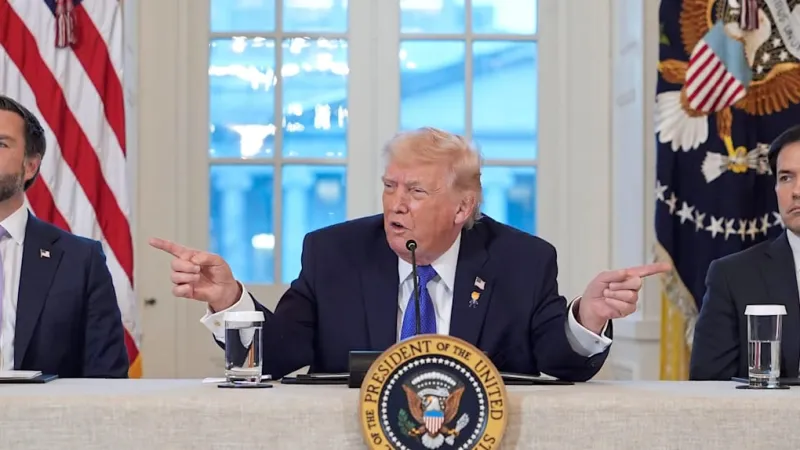
Washington D.C. – President Donald Trump has unexpectedly proposed a joint Republican ticket featuring Senator JD Vance of Ohio and Senator Marco Rubio of Florida for the 2028 presidential election, a strategic move poised to reshape the future leadership landscape of the Republican Party. The suggestion, conveyed recently, indicates President Trump's vision for unifying potential successors and establishing a formidable slate for the upcoming electoral cycle.
The proposal stands out as particularly noteworthy given that both Vance and Rubio are widely considered formidable contenders for the Republican presidential nomination in their own right. Such a pairing could effectively consolidate two distinct factions within the party, potentially mitigating future primary battles for the coveted endorsement of President Trump.
President Trump's enduring influence over the Republican Party remains undeniable. His public backing holds immense weight, and any candidate or pairing receiving his explicit support immediately gains significant traction. This early pronouncement for a Vance-Rubio ticket signals a clear intent to steer the party's future direction well in advance of the next open presidential contest.
Senator JD Vance, a rapidly rising figure, first gained national prominence through his bestselling memoir and subsequent political career. Elected to the Senate from Ohio, Vance has cultivated a strong connection with the populist base of the Republican Party, often echoing themes central to President Trump's political platform. His relatively youthful vigor and articulate conservative voice represent a newer generation of party leadership.
Conversely, Senator Marco Rubio brings a wealth of experience to the table, having served in the U.S. Senate since 2011 and previously pursuing the Republican presidential nomination in 2016. The Florida senator possesses a more traditional conservative background combined with foreign policy acumen, appealing to establishment Republicans and those seeking a seasoned hand in national leadership.
The strategic rationale behind President Trump's suggestion appears multifaceted. By uniting Vance and Rubio, the Republican Party could present a ticket that bridges generational divides and appeals to a broad spectrum of conservative voters, from the populist working class to the more traditional business-oriented wing. This fusion could offer a compelling counterpoint to any potential Democratic nominee in 2028.
Political analysts are already dissecting the implications of such an endorsement. An early call from President Trump for a specific ticket could deter other potential Republican hopefuls, effectively clearing a path and preventing a crowded, divisive primary. This proactive strategy underscores President Trump's continued role as a kingmaker within the GOP.
However, the path to a united Trump Vance Rubio 2028 ticket is not without its potential challenges. Both senators harbor strong individual ambitions and would need to navigate the complexities of power-sharing and defining roles within a joint candidacy. Policy nuances and base allegiances could also require careful calibration to ensure seamless cohesion.
Historically, presidential endorsements from sitting presidents for future contests often carry significant weight, though they do not guarantee success. President Trump's unique political capital, however, lends an unusual authority to his recommendations, making this proposal a serious consideration for both senators and the wider Republican apparatus.
The broader political landscape will undoubtedly react to this development. Other potential 2028 Republican hopefuls will be forced to recalibrate their own strategies in light of President Trump's explicit preference. This unexpected announcement creates a new focal point for discussions about the future of the party.
President Trump's active engagement in shaping the post-2028 electoral trajectory further cements his profound legacy and ongoing influence on American politics. His willingness to put forth such an unconventional yet potentially potent pairing demonstrates a forward-looking approach to ensuring the Republican Party's continued strength on the national stage. Discussions regarding the next presidential cycle begin earnestly with this significant proposal. For more on President Trump's engagements, see articles such as Trump Optimistic on Iran Deal As Regional Tensions Flare, and Israel-Lebanon Ceasefire Zones Emerge As Congress Curbs Trump's Iran Scope.
This early intervention into the 2028 race underscores President Trump's strategic prowess and his clear intent to remain a central figure in the Republican Party's future.