 Demian Sahputra
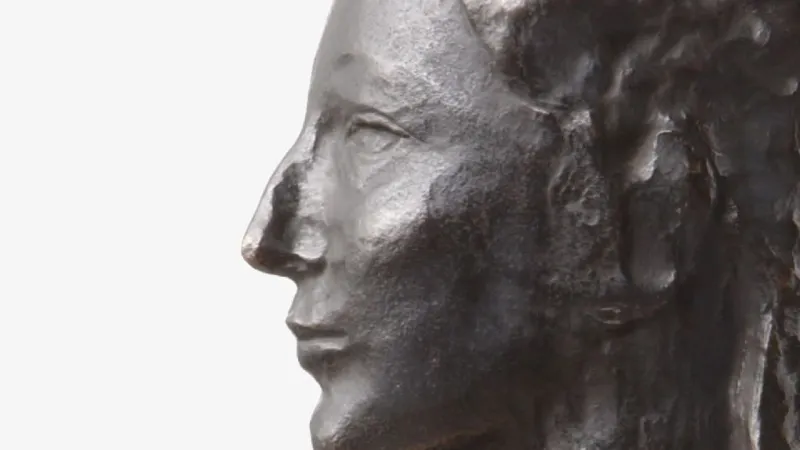
MUNICH – The Free State of Bavaria has announced a significant policy shift regarding the restitution of cultural property seized during the Nazi era, pledging enhanced transparency and expedited processes. This landmark change, highlighted by the planned return of a Picasso bronze, aims to set a new precedent for handling looted art, though experts anticipate challenges in its full implementation.
For decades, the southern German state has faced scrutiny over its perceived slow and opaque handling of art and artifacts plundered by the Nazi regime, particularly from Jewish families. The new initiative signals a proactive stance to address historical injustices and aligns Bavaria with evolving international standards for heritage preservation and accountability.
The decision to restitute a Picasso bronze serves as a potent symbol of Bavaria’s renewed commitment. This high-profile case is intended to underscore the government's seriousness in rectifying past wrongs and to encourage other institutions within the state to follow suit. While details about the specific Picasso piece remain under wraps, its prominence ensures immediate international attention.
This strategic pivot involves not only accelerating individual restitution cases but also fostering greater openness in the provenance research vital to these claims. Transparency has long been a core demand from claimant organizations and descendants of Holocaust victims, who often struggle with access to archives and information.
However, the ambitious policy shift is not without its complexities. Observers and legal experts suggest that the new approach, while commendable in its intent, may possess a fundamental weakness. This flaw could reside in the practical application of its principles, particularly concerning the breadth of its mandate or the resources allocated for comprehensive, independent investigations.
The sheer volume of cultural assets that changed hands under duress during the Third Reich presents an immense challenge. Millions of artworks, books, and other valuables were looted, sold under duress, or confiscated outright from persecuted individuals. Tracking these items and identifying their rightful heirs often involves painstaking research across international borders.
Critics suggest that while the new policy emphasizes speed and transparency, it might still rely heavily on the initiative of claimants rather than a fully proactive, state-funded search for all potentially looted items within public collections. The burden of proof, despite rhetorical shifts, can remain substantial for those seeking the return of their family’s heritage.
International guidelines, such as the Washington Principles on Nazi-Confiscated Art (1998) and the Terezin Declaration (2009), advocate for fair and just solutions, often emphasizing the moral imperative over strict legal statutes. Bavaria’s new course seeks to adhere more closely to these ethical standards, yet the nuances of implementation are critical.
Museums and cultural institutions across Bavaria, many of which hold collections with questionable provenance, will be directly impacted. The state’s directive places a renewed onus on these entities to thoroughly investigate their holdings and to collaborate more readily with claimants and independent researchers. This could lead to a wave of new discoveries and restitution claims.
The move also arrives at a time when the broader discussion around colonial-era looted art is gaining traction globally, further highlighting the moral and ethical responsibilities of states concerning their cultural patrimony. Bavaria's decision could serve as a model, or a cautionary tale, for how governments navigate these complex legacies.
While the restitution of a Picasso bronze offers a visible declaration of intent, the true measure of Bavaria’s commitment will emerge in the systemic changes that follow. This includes securing adequate funding for provenance research departments, establishing independent review boards, and streamlining bureaucratic hurdles that have historically impeded restitution efforts.
Ultimately, this new chapter represents a significant step towards historical reconciliation and justice for the victims of Nazi persecution and their descendants. The Free State of Bavaria faces a long, intricate journey to fully address the profound injustices of the past, but its recent announcement marks a pivotal turning point in its approach to Nazi-looted art restitution.