 Angela Stefani
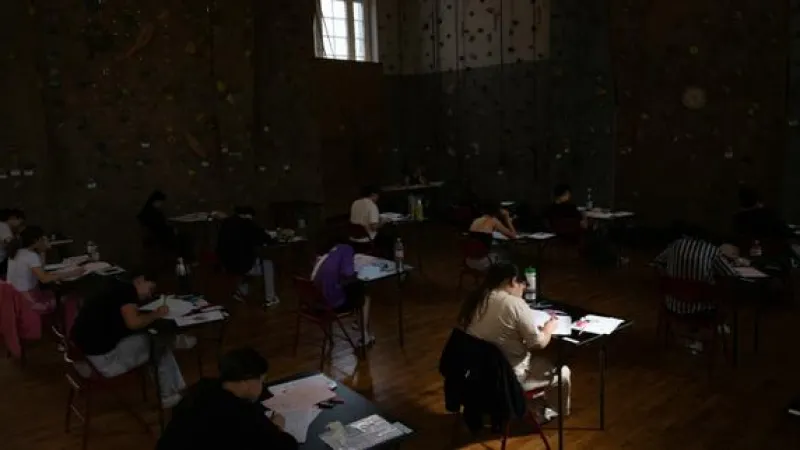
Nearly 530,000 high school candidates across France engaged in the demanding anticipatory French Baccalaureate examination on Thursday morning, confronting complex literary analyses from 8:00 AM to 12:00 PM. This crucial test, a prerequisite for the 2026 Baccalaureate diploma, tasked students with interpreting works by literary titans such as Arthur Rimbaud, Louise d'Epinay, and Etienne de La Boetie, highlighting the enduring rigor of the French educational system.
The examination, a rite of passage for French secondary students, is divided into specific tracks. Those pursuing the general pathway were presented with texts related to Rimbaud's poetry and excerpts from Louise d'Epinay, prompting deep dives into themes of romanticism, societal critique, and personal expression. These selections underscore the Baccalaureate's commitment to a broad understanding of the French literary canon.
Students in the technological track faced a different, yet equally challenging, set of subjects. Their focus centered on the works of Etienne de La Boetie and the broader themes of theater. This segment requires candidates to analyze dramatic structures, character development, and the societal role of performance, demanding both textual comprehension and critical thinking skills specific to theatrical arts.
The French Baccalaureate, often simply called the Bac, stands as a cornerstone of the nation's educational framework, determining eligibility for university enrollment and shaping academic trajectories. Its design emphasizes not just factual recall but also the ability to synthesize information, construct coherent arguments, and engage in sophisticated literary commentary.
For many candidates, the months leading up to this anticipatory French exam are characterized by intense study, revision, and considerable apprehension. The pressure to perform well is immense, given its weight in the overall Baccalaureate score, which significantly influences future academic and professional opportunities.
Educators emphasize that the French Baccalaureate aims to cultivate critical thinking and a profound appreciation for literature. The chosen authors, from the rebellious verse of Rimbaud to the philosophical inquiries of La Boetie, are intended to provoke thought and inspire a deeper engagement with the humanities.
However, the perceived formalism of the examination has often sparked debate among academics and students alike. Critics sometimes argue that the rigid structure required for essays and commentaries can inadvertently stifle genuine passion for reading. A related discussion has highlighted concerns that Formalism Stifles Reading Love in French Baccalaureate, potentially turning literary exploration into a formulaic exercise rather than an enriching intellectual journey.
Preparation for the French Baccalaureate typically involves extensive reading of prescribed texts, weekly essay writing, and oral presentations designed to hone analytical and expressive capabilities. Teachers serve as guides through complex literary theories and historical contexts, preparing students for the nuanced demands of the exam.
The results of this anticipatory French examination will be eagerly awaited, providing an early indication of a student's standing heading into their final year of secondary education. The scores contribute directly to the final Baccalaureate grade, which is a composite of continuous assessment, specific subject tests, and the comprehensive final exams.
The ongoing relevance of such a literature-heavy examination in an increasingly technologically driven world remains a topic of pedagogical discourse. Yet, proponents argue that a strong foundation in literary analysis is more vital than ever, equipping students with essential communication and critical reasoning skills applicable across all disciplines.
As half a million young minds grappled with prose and poetry on Thursday, they continued a tradition central to French identity. The French Baccalaureate, through its rigorous literary challenges, aims to shape not just scholars, but informed citizens capable of complex thought and eloquent expression.
This annual academic ritual underscores France's unwavering commitment to a humanistic education, ensuring that future generations remain deeply connected to their rich cultural and intellectual heritage.