Angel Doris
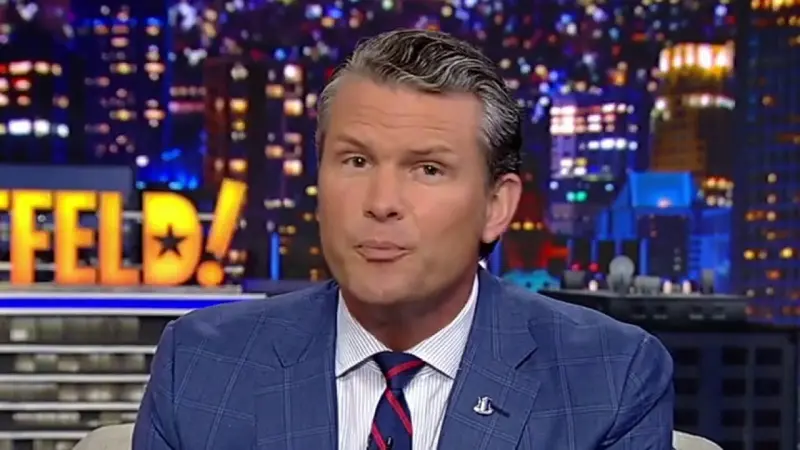
WASHINGTON — Democratic senators today vigorously questioned Pete Hegseth, a prominent figure in President Donald Trump's administration, regarding the legal justification for ongoing US military operations against Iran, characterizing the conflict as potentially an “unauthorized war” and sparking a renewed debate on Capitol Hill over presidential war powers. The contentious exchange unfolded during a Senate Foreign Relations Committee hearing, highlighting deep congressional unease over the scope of executive authority in deploying military force without explicit legislative approval.
Senator Jeanne Shaheen, D-N.H., opened the questioning by asserting that the administration had bypassed Congress in its actions, stating, “We have watched military engagements escalate in the Persian Gulf without the required constitutional input from the legislative branch. This is not how our democracy is designed to function.” She emphasized the constitutional mandate for Congress to declare war, a power she argued was being systematically eroded.
Hegseth, speaking on behalf of the administration, defended President Trump's actions as essential for protecting US personnel and national interests in a volatile region. He maintained that the operations were consistent with existing legal frameworks, including authorizations for the use of military force against terrorism and the President's inherent Article II powers as commander-in-chief.
However, his responses often drew sharp rebukes from the Democratic contingent, who sought clearer definitions of the legal basis and specific objectives of the military presence in Iran. Senator Chris Murphy, D-Conn., pressed Hegseth repeatedly on whether the administration viewed its actions as falling under an existing war authorization or if it was asserting a new, broad claim of executive power.
“The American people deserve to know if we are in an unauthorized war with Iran,” Murphy stated, expressing frustration over what he described as a lack of transparency. He pointed to the absence of a specific congressional declaration or authorization for the current level of engagement, arguing it creates a dangerous precedent for future executive overreach.
Sources close to the committee indicated that the Democratic inquiry stems from growing concerns that the nature of US involvement in Iran has transitioned from targeted deterrence and self-defense into a broader, sustained military conflict without explicit legislative sanction. This shift, they argue, necessitates a reassertion of Congress constitutional role.
The White House, through press secretary Karoline Leavitt, reiterated its stance that President Trump acts within the bounds of his constitutional authority to protect US forces and assets globally. She dismissed the senators’ assertions as political posturing, insisting the administration is committed to de-escalation while ensuring American security.
The debate highlights a long-standing tension between the executive and legislative branches over war powers, a constitutional struggle that resurfaces with nearly every significant overseas military deployment. While presidents historically assert broad authority as commander-in-chief, Congress retains the sole power to formally declare war and appropriate funds for military operations.
Legal scholars tracking the issue note that the specific language used by the administration to justify its Iran actions could set a critical precedent. Whether the operations are framed as self-defense, counter-terrorism, or a response to regional destabilization significantly impacts their legal standing in the absence of explicit congressional approval.
The senators did not immediately announce further legislative steps following the hearing, but some indicated a willingness to pursue measures aimed at curtailing presidential war powers if the administration does not provide more satisfactory answers regarding the Iran conflict. This could include resolutions to limit funding or demand a formal debate on authorization.
President Trump has consistently advocated for a decisive foreign policy, prioritizing robust military action when he deems it necessary to protect American interests. The Democratic challenge to his administration over Iran represents a direct confrontation with this approach, particularly as the nation heads deeper into the 2026 political cycle.
The hearing underscores the high stakes of foreign policy decisions and the delicate balance of power enshrined in the US Constitution. As military activities in Iran continue, the question of whether they constitute an authorized war will remain at the forefront of congressional scrutiny and public discourse.