 Dorry Archiles
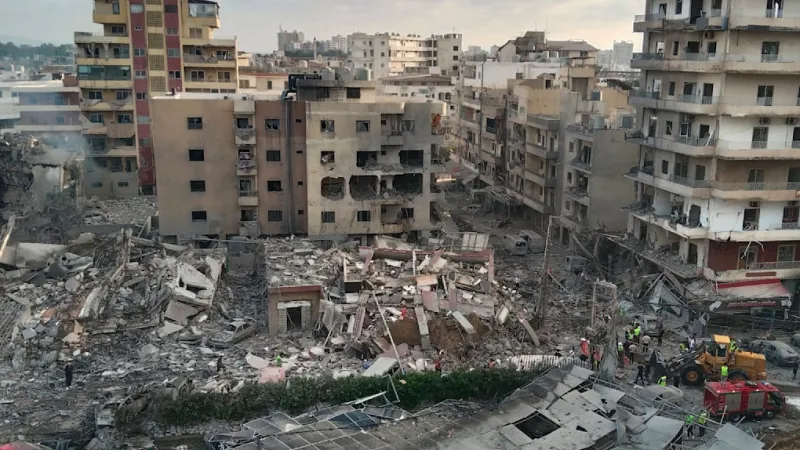
WASHINGTON – Israel and Lebanon have reached a pivotal agreement in the US capital, committing to the implementation of a ceasefire that includes the establishment of designated pilot zones under the direct control of the Lebanese army. This diplomatic breakthrough, aimed at de-escalating long-standing border tensions, coincides with significant legislative action by the US Congress to restrict President Donald Trump's operational latitude regarding Iran.
The bilateral understanding, forged through extensive negotiations, marks a crucial step toward stabilizing the volatile Israel-Lebanon border. Both nations have been engaged in intermittent hostilities, largely fueled by the presence and activities of Hezbollah, the Iran-backed militant group operating within Lebanon.
Under the terms of the nascent agreement, these pilot zones will serve as demilitarized buffer areas, overseen by the Lebanese Armed Forces. The success and expansion of this Israel-Lebanon ceasefire initiative are fundamentally contingent upon a complete cessation of hostile actions from Hezbollah, a condition explicitly outlined by Israeli negotiators during the Washington talks.
This development echoes previous efforts to manage border security, as highlighted by discussions surrounding the exclusion of Hezbollah from key security zones. Read more on earlier diplomatic maneuvers here: Israel, Lebanon Forge Truce; Hezbollah Excluded from Key Security Zones.
Parallel to these Middle East peace efforts, the US Congress has taken decisive steps to rein in presidential authority concerning military engagement with Iran. Lawmakers from both sides of the aisle have expressed growing concerns over the potential for an escalating conflict, leading to legislative measures designed to ensure congressional oversight on any military actions.
These congressional actions represent a significant assertion of legislative power, aimed at preventing unilateral military interventions without explicit authorization. The move underscores the inherent checks and balances within the American political system, particularly when foreign policy decisions carry the risk of broader regional instability.
President Trump has consistently maintained a firm stance on Iran, often expressing optimism for a new deal while regional tensions persist. Insights into his approach can be found in related reporting: Trump Optimistic on Iran Deal As Regional Tensions Flare and US-Iran Tensions Simmer: Trump Eyes Deal, Strait of Hormuz Key.
The legislative framework now under consideration would likely require President Trump to seek formal congressional approval for any offensive military action against Iranian targets, beyond immediate defensive responses. This reassertion of congressional prerogative comes amid a period of heightened geopolitical complexities in the Persian Gulf region.
Observers suggest that the timing of these dual developments—a nascent ceasefire between Israel and Lebanon, coupled with congressional constraints on Iran policy—reflects a concerted international and domestic effort to manage and mitigate regional flashpoints. The interplay between these diplomatic and legislative processes will define the immediate future of Middle Eastern security.
The success of the Israel-Lebanon ceasefire largely hinges on the commitment of all parties, especially the ability of the Lebanese army to effectively control the newly designated zones and prevent any resurgence of Hezbollah aggression. International monitoring and support will be critical during this delicate phase.
Meanwhile, the implications of congressional limitations on President Trump's Iran strategy are far-reaching. They could reshape the dynamics of US foreign policy in the Middle East, potentially influencing everything from diplomatic negotiations to military deterrence postures in the coming months.
Analysts are closely watching how President Trump's administration will navigate these new legislative parameters. The White House has yet to issue a comprehensive response to the congressional moves, but sources indicate internal discussions are underway regarding compliance and potential executive responses.
Ultimately, the dual narrative unfolding in Washington—peace initiatives on one front and political power struggles on another—underscores the intricate web of challenges facing the international community as it grapples with longstanding conflicts and emerging threats in the Middle East.