 Chandra Wijayanto
Washington D.C. and Tehran remain locked in a protracted diplomatic stalemate, even as a nominal ceasefire is observed between the United States and Iran. The persistent friction centers on Washingtons demands for Tehran to dismantle its nuclear program and ensure unhindered passage through the strategically vital Strait of Hormuz. President Donald Trump has expressed keen interest in forging a comprehensive agreement, aiming to resolve the long-standing geopolitical flashpoint.
The American administration has explicitly called for a verifiable cessation of Irans nuclear enrichment activities, citing proliferation concerns that have vexed international observers for decades. Concurrently, the demand for the full and open access to the Strait of Hormuz underscores the global economic implications of any disruption in this critical maritime artery.
According to Ali Fathollah-Nejad, a prominent Iran expert, the current state of affairs is precarious. "We are in a kind of gray area," Fathollah-Nejad stated, highlighting the delicate balance between active conflict and a fragile, unresolved peace. This ambiguous condition complicates diplomatic efforts and regional stability.
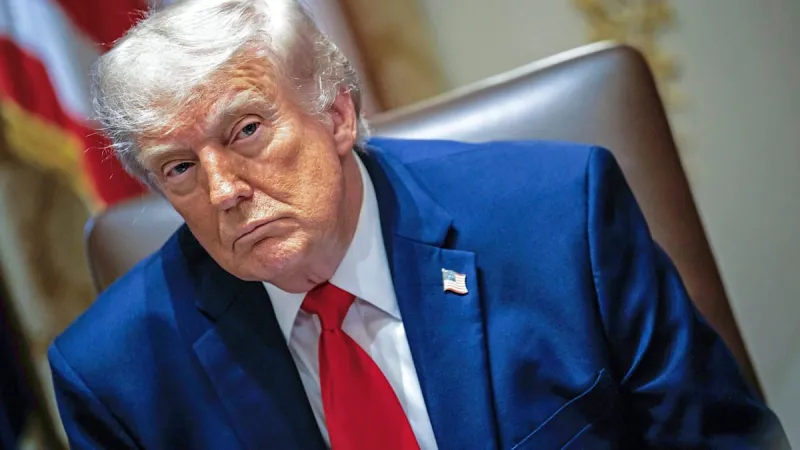
President Trump, now in his second term, has made it clear that resolving the Iran issue remains a foreign policy priority. His administration believes that a decisive deal is the most effective path forward. "Trump is very strongly interested in a deal," Fathollah-Nejad affirmed, indicating a persistent White House drive towards a negotiated settlement rather than continued confrontation.
The origins of the current nuclear standoff trace back through various international agreements and their subsequent withdrawals, creating a legacy of mistrust. Efforts by past administrations to curb Irans nuclear ambitions have seen fluctuating success, often leading to renewed tensions when diplomatic pathways faltered.
The Strait of Hormuz is not merely a regional waterway; it is a global economic lifeline. A substantial portion of the worlds oil supply transits through this narrow passage, making its security paramount to international energy markets. Irans past threats to close the strait have consistently sent shockwaves through the global economy, underscoring its strategic leverage.
For its part, Iran views the US demands as an infringement on its sovereign right to develop peaceful nuclear energy and a challenge to its regional influence. Tehran has often maintained that its nuclear program is for civilian purposes, while simultaneously using its control over the strait as a potent bargaining chip in negotiations with Western powers.
The international community largely shares concerns about nuclear proliferation in the Middle East, a volatile region susceptible to rapid escalation. European nations, in particular, have sought to maintain diplomatic channels and uphold aspects of previous agreements, though their efforts have been complicated by the assertive positions of both Washington and Tehran. The ongoing Europe Confronts Energy War Fallout, Nuclear Power Debate Intensifies highlights broader energy security discussions.
Analysts warn that the failure to reach a comprehensive deal carries significant risks. The continued absence of a clear resolution could lead to further regional instability, heightened military posturing, and the potential for miscalculation that could inadvertently trigger wider conflict in the Gulf region.
The gray area described by Fathollah-Nejad implies a state where de-escalation is not guaranteed, and the cessation of hostilities remains fragile. This precarious situation requires astute diplomacy and a willingness from all parties to compromise, elements that have proven elusive in the complex US-Iran relationship.
The path forward remains fraught with challenges. While President Trumps administration continues to press for a deal, the deep-seated animosities and diverging strategic interests between Washington and Tehran present formidable obstacles. The global community watches closely, hoping for a resolution that can bring genuine stability to the critical region. This situation is reminiscent of past Tensions Mount in Gulf: US-Iran Clashes, Trump Suggests Khamenei Dialogue.