 Chandra Wijayanto
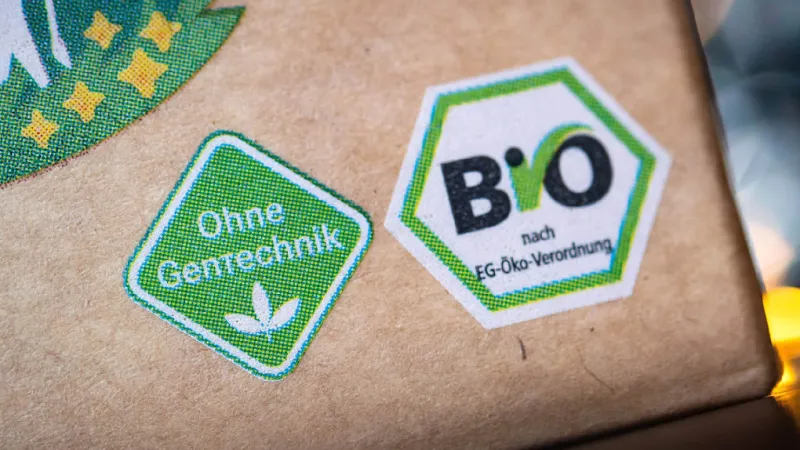
BRUSSELS – The European Parliament has approved a contentious overhaul of its regulations concerning gene-edited plants, effectively eliminating mandatory labeling requirements for many new genomic technique (NGT) products sold in supermarkets across the bloc. This pivotal decision, reached recently in Strasbourg, signals a substantial shift in the EUs approach to agricultural biotechnology, despite vocal opposition from key member states, most notably Germany.
The move comes after intense debate, with proponents arguing that the relaxed rules are essential to foster innovation in European agriculture and enhance the EUs competitiveness on the global stage. Supporters contend that NGTs, which involve precise gene editing rather than the insertion of foreign DNA, should not be subject to the same stringent regulations as conventional genetically modified organisms (GMOs).
Critics, including environmental groups and consumer advocacy organizations, warn that the absence of labeling will strip consumers of their right to informed choice. They express concerns about potential unknown long-term effects of these gene-edited crops on health and biodiversity, asserting that transparency is paramount for public trust.
Germany, a leading voice against the deregulation, failed to garner sufficient support to block the measure. Its government had consistently argued for the preservation of existing precautionary principles and robust labeling, emphasizing consumer protection and the distinct nature of gene-edited products compared to conventionally bred crops.
The new framework differentiates between two categories of NGTs. NGT Category 1 plants, considered equivalent to conventionally bred varieties, will no longer require labeling or pre-market authorization. NGT Category 2 plants, which involve more extensive genetic modifications, will still undergo a regulatory process and require labeling.
This legislative shift is seen by many in the agricultural sector as a necessary step to address challenges such as climate change and food security. Advocates highlight the potential for NGTs to develop crops that are more resilient to pests, diseases, and extreme weather conditions, while also reducing the need for pesticides.
Conversely, those opposing the relaxed rules argue that the distinction between NGT Category 1 and 2 is arbitrary and difficult to enforce. They fear that the lack of clear labeling will create a market environment where consumers are unable to differentiate between products developed through traditional breeding and those modified through advanced gene-editing technologies.
The parliamentary vote reflects a broader division within the European Union regarding the future of agricultural science and food production. While some member states are eager to embrace biotechnological advancements, others remain cautious, prioritizing environmental safeguards and consumer information above all else.
Industry stakeholders have largely welcomed the decision, anticipating that it will accelerate the development and market entry of innovative crop varieties within the EU. They point to significant advancements in countries with more permissive regulatory environments, arguing that Europe risked falling behind in agricultural research.
However, the path forward is not entirely clear. The European Council must still formally adopt the new rules, and further discussions are anticipated as member states work to implement the revised framework. Activists have indicated their intention to continue advocating for stricter regulations and mandatory labeling through other channels.
For consumers, the change signifies a notable shift in the transparency of their food supply. While proponents argue that the new NGTs are safe and indistinguishable from traditional crops, the debate underscores fundamental questions about trust, technology, and individual choice in the modern food system.
The implications extend beyond the supermarket aisle, touching upon global trade relations and the EUs standing as a leader in sustainable agriculture. The reform aims to strike a balance between promoting innovation and upholding environmental and safety standards, a balance that remains highly contested.
This landmark decision could redefine how Europeans view and interact with their food, potentially altering agricultural practices and consumer expectations across the continent for decades to come.