 Dorry Archiles
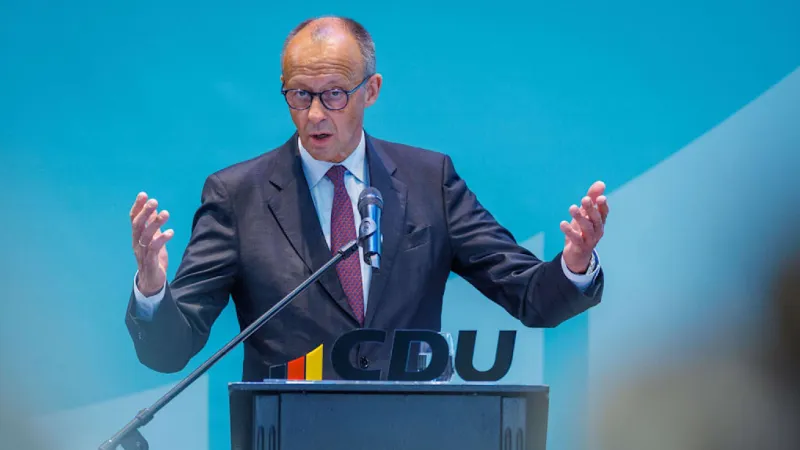
Berlin – Chancellor Merz on Saturday passionately championed his administration's ambitious social reform agenda before approximately 170 delegates at a state party conference, asserting the nation's capacity for fundamental change. He underscored the critical need for Germans to "again believe in each other" to successfully navigate the proposed transformative measures.
The Chancellor's remarks aimed to galvanize support for policies designed to reshape Germany's social safety net and welfare provisions. His call for renewed collective trust arrives amidst ongoing national debates concerning economic sustainability and generational equity within the social system.
Addressing the gathering, Merz articulated a vision where societal cohesion serves as the bedrock for reform implementation. He emphasized that these changes, while potentially challenging, are indispensable for securing Germany's long-term prosperity and social justice.
The proposed social reforms address several key areas, including adjustments to pension schemes, healthcare funding, and unemployment benefits. Proponents argue these modifications are crucial to adapt to demographic shifts and evolving economic realities, ensuring the system's viability for future generations.
Implementing comprehensive social reforms frequently encounters significant political and public resistance. Merz's appeal for national unity reflects an acknowledgement of the inherent difficulties in securing broad consensus for such wide-ranging policy shifts.
In a direct translation of his key message, Chancellor Merz told the assembled delegates, "We can do it," when referring to the successful implementation of the planned social reforms. This concise declaration served as a rallying cry, echoing historical moments of national resolve.
Such sweeping proposals are not without precedent or controversy in Germany. Past debates surrounding welfare policy, including a recent incident concerning a Bremen Jobcenter official fired after a controversial welfare documentary appearance, highlight the sensitivity and public interest inherent in modifying the nation's social safety nets.
The party conference provided a critical platform for Merz to project leadership and articulate his government's strategic direction. The enthusiastic reception from the delegates signals a degree of internal party alignment, crucial for advancing legislative initiatives through the Bundestag.
Observers anticipate vigorous parliamentary debate and public discourse as the specific legislative details of the social reforms are unveiled. The Chancellor's ability to maintain a united front within his party and across potential coalition partners will be paramount to their eventual success.
Ultimately, the success of these social reforms will hinge not only on their structural design but also on the collective spirit of the German populace. Chancellor Merz's core message remains that national belief and mutual trust are the indispensable ingredients for achieving meaningful, enduring change.