 Stefani Rindus
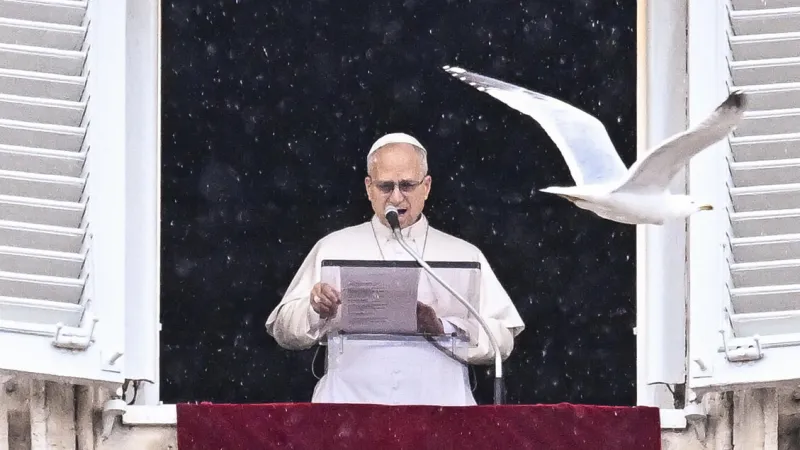
VATICAN CITY – Pope Francis issued a stark warning recently, declaring that the proliferation of polarization and contempt throughout society inevitably leads to widespread destruction and hinders the pursuit of peace. The Pontiff specifically invoked a plea for divine intervention, urging God to "illuminate the conscience of those who can decide peace," emphasizing the grave responsibility leaders bear in navigating contemporary global conflicts.
The message, delivered from the heart of the Vatican, underscored a recurring theme in the Holy Father's pontificate: the urgent need for dialogue and understanding in an increasingly fractured world. His words resonate at a time when geopolitical tensions are exceptionally high, with conflicts escalating across multiple regions.
Pope Francis defined polarization not merely as differing opinions but as entrenched divisions that preclude genuine conversation and foster an environment of hostility. He characterized contempt as a dangerous precursor to violence, eroding the fundamental dignity owed to every individual.
This emphasis on the destructive nature of societal divides is consistent with his broader appeals for fraternity, as articulated in his encyclical Fratelli Tutti. In that document, the Pope outlined a vision for universal brotherhood, urging people to move beyond nationalistic and ideological barriers.
Global flashpoints serve as a potent backdrop to the Pope’s admonition. Regions grapple with intractable disputes, and international diplomacy frequently stalls amid entrenched positions. The dangers of such prolonged stalemates are clear, pushing societies further into discord.
The Pontiff's call for leaders to have their consciences illuminated highlights the profound moral dimension of governance. He implored those in positions of power to look beyond immediate political gains and consider the long-term human cost of their decisions, particularly regarding peace and conflict resolution.
Such pronouncements are not isolated; the Vatican has consistently voiced concerns over the spiraling nature of global conflicts. Recent events, such as the continued tensions surrounding the situation where President Donald Trump demands a harsher Iran deal, exemplify the complex international landscape demanding prudent leadership.
Furthermore, the escalating situation in the Middle East, including Israel's escalated Lebanon ground offensive, underscores the devastating consequences that arise when polarization prevents diplomatic breakthroughs and allows hostility to dictate actions. The humanitarian toll in such scenarios is immense.
The Pope's address also implicitly touches upon internal political dynamics within nations, where deep ideological rifts often mirror international ones. For instance, discussions around alliances to blunt the surge of certain political movements in Germany illustrate domestic struggles against divisive forces.
His plea for divine illumination suggests a recognition that purely secular approaches may be insufficient to bridge the chasms of human animosity. It posits that a deeper moral and spiritual awakening is necessary for leaders to make truly just and lasting peace decisions.
The global community faces a critical juncture, where the choices made by a few individuals can have far-reaching impacts on millions. Pope Francis reminded the world that leadership carries a sacred trust, demanding wisdom, humility, and an unwavering commitment to human dignity.
Observers note that the Pope's words serve as a moral compass, guiding both religious adherents and secular leaders toward a shared understanding of peace as more than just the absence of war, but as a state of social justice and harmony.
In a world frequently consumed by partisan rhetoric and mutual suspicion, the Pontiff’s call for an end to polarization is a powerful counter-narrative. He advocates for reconciliation over retribution, and empathy over enmity, urging a transformation of hearts and minds.
This profound message challenges everyone, from individual citizens to international bodies, to critically assess their roles in fostering either division or unity. It is a reminder that collective responsibility is paramount in shaping a future free from destructive forces.
The ultimate goal, as articulated by Pope Francis, remains a world where dialogue triumphs over division, and where respect for differing viewpoints paves the way for collaborative solutions to humanity's most pressing challenges.