 Edward DP Situmorang
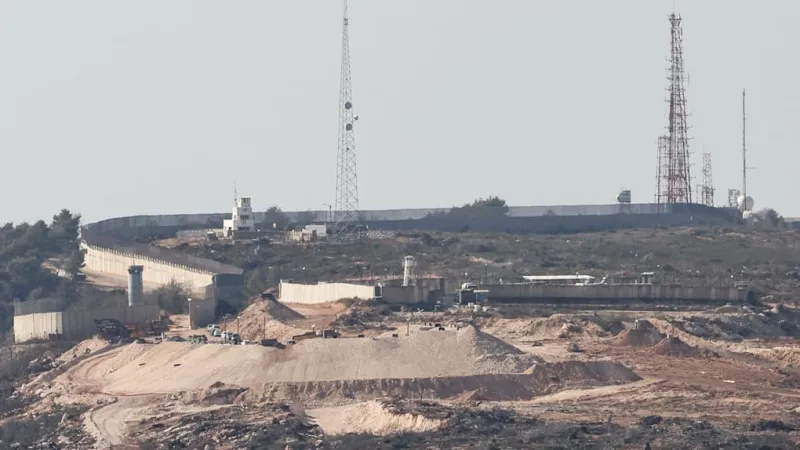
BEIRUT The volatile situation in Lebanon escalated dramatically today as Israel declared an expansion of its ground offensive into Lebanese territory, casting a shadow over the nominally observed ceasefire. Both Israeli and Lebanese forces concurrently traded accusations of initiating fresh attacks, signaling a dangerous deterioration in regional stability.
This development follows a period of heightened cross-border skirmishes that have defied international calls for de-escalation and adherence to the existing truce. The expansion marks a critical shift in military strategy, moving beyond localized retaliatory strikes to a more substantial ground presence.
Israeli military sources, speaking on background, indicated the expanded offensive was a necessary measure to neutralize ongoing threats emanating from southern Lebanon. These threats reportedly include persistent rocket fire and incursions by militant groups operating within the region.
Conversely, Lebanese officials vehemently condemned the Israeli actions, characterizing them as a blatant violation of national sovereignty and a direct contravention of the established ceasefire agreement. They asserted that any escalation originates from Israeli provocations and aggressive posturing.
International observers have expressed grave concern regarding the renewed hostilities. The United Nations Interim Force in Lebanon (UNIFIL) called for immediate restraint from all parties, warning of the potential for a wider regional conflict if the situation remains unchecked and diplomatic efforts falter.
The ceasefire, brokered by international mediators weeks prior, aimed to create a corridor for humanitarian aid and reduce civilian casualties. Its effectiveness is now severely compromised, jeopardizing critical aid operations and the safety of thousands of displaced persons.
Analysts suggest the timing of the Israeli ground offensive expansion could be a strategic move designed to preempt further armament or entrenchment by opposing forces within Lebanon. This calculated decision often drives military operations in such contested zones.
The political implications are profound, potentially destabilizing Lebanon's fragile government and drawing in other regional actors. The specter of a broader confrontation looms large, especially given existing geopolitical tensions across the Middle East.
President Donald Trump's administration has yet to issue a formal statement regarding this specific escalation. However, the United States has consistently urged all parties to uphold regional stability and avoid actions that could inflame an already precarious geopolitical landscape, a stance that aligns with broader diplomatic efforts exemplified by discussions around a harsher Iran deal.
The humanitarian consequences of an extended ground offensive are dire. Aid organizations previously warned of a looming crisis, with displaced populations and damaged infrastructure already straining resources. Further military action will undoubtedly exacerbate these challenges.
The expansion of the Lebanon ground offensive necessitates a renewed and urgent focus on diplomatic efforts to salvage the ceasefire and prevent a full-scale war. The international community faces a critical test in brokering a lasting peace amidst escalating violence.
As the situation unfolds, both sides remain entrenched in their positions, exchanging artillery fire and launching drone surveillance missions across the demarcation line. Residents in border communities are bracing for sustained conflict, with many seeking refuge further inland and anticipating protracted hostilities.