 Dodi Irawan
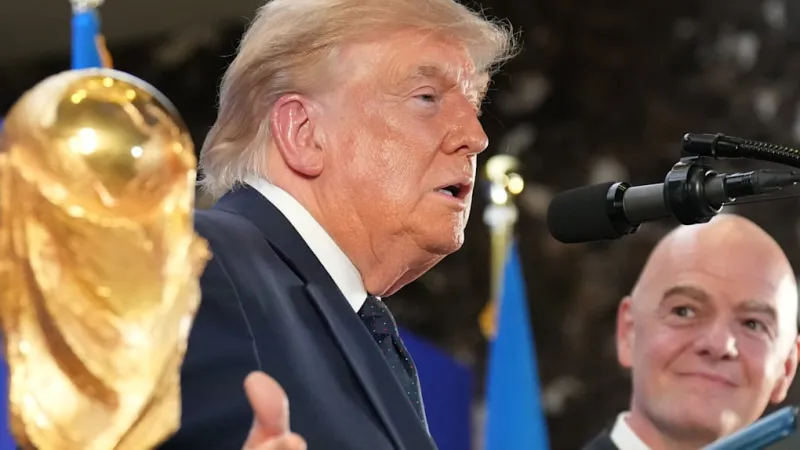
Zurich – FIFA President Gianni Infantino is reportedly considering a significant further expansion of the 2030 World Cup, proposing an increase in participating nations to an unprecedented 64 teams. This development comes as the global football body prepares for an already enlarged tournament format, prompting discussions about logistical challenges, financial implications, and the sporting integrity of the sport's premier event.
While the 2030 edition of the FIFA World Cup is already slated to be the largest in history, featuring 48 nations across multiple continents, Infantino's latest proposition signals a desire to push the boundaries even further. The current plan for 2030 involves hosting duties shared by Spain, Portugal, and Morocco, with celebratory opening matches taking place in Uruguay, Argentina, and Paraguay to commemorate the tournament's centenary.
The rationale behind such an extensive expansion often centers on FIFA's stated mission of global football development and providing more opportunities for nations to compete on the grandest stage. An increase to 64 teams would undoubtedly broaden geographical representation, allowing more football associations to experience the World Cup dream and potentially galvanize football interest in developing regions.
However, this proposed enlargement introduces substantial logistical complexities for organizing committees and host nations. A 64-team format would necessitate a significantly higher number of matches, requiring more stadiums, extensive training facilities, robust transportation networks, and vastly expanded accommodation for teams, officials, and millions of fans.
Such an increase would place immense strain on the infrastructure of even the most developed host countries. While the multi-continent hosting strategy for 2030 was designed to distribute the burden, a 64-team tournament would test these arrangements to their limits, demanding meticulous planning and considerable investment in the years leading up to the event.
Financially, an expanded World Cup promises greater revenue streams for FIFA through increased broadcasting rights, sponsorships, and ticket sales. More matches and more participating nations translate into a larger global audience and expanded market reach, potentially boosting the organization's coffers significantly.
Conversely, the costs for host nations would also escalate dramatically. Building or upgrading necessary infrastructure, ensuring security for a larger event, and managing the sheer volume of attendees represent monumental financial undertakings that could strain public resources and necessitate difficult budgetary decisions.
Critics of further expansion often raise concerns about the dilution of sporting quality. An influx of additional teams, some argue, could lead to less competitive group stages and a reduction in the overall standard of play, potentially diminishing the spectacle that has made the World Cup a global phenomenon.
Another significant consideration is player welfare. A larger tournament format could extend the duration of the competition, requiring players to endure more matches and prolonged periods away from their clubs, potentially increasing the risk of fatigue and injury. This aspect is already a point of contention within professional football circles.
FIFA's history includes several expansions of the World Cup, most notably from 24 teams to 32 in 1998, and the upcoming jump to 48 teams in 2026. Each expansion has brought its own set of challenges and benefits, with the organization consistently balancing commercial interests with sporting ideals.
As the football world watches, FIFA faces critical decisions regarding the optimal scale and structure of its flagship tournament. The debate surrounding a 64-team World Cup for 2030 underscores the tension between global inclusion, financial growth, and the preservation of the competition's prestige and competitive integrity. The ultimate decision will undoubtedly shape the future trajectory of international football for decades to come.
The scale of previous World Cups has consistently garnered immense global attention, as demonstrated by the passionate viewership and widespread engagement for every tournament, from opening ceremonies to dramatic final matches. This enduring popularity continues to fuel FIFA's ambitions for further growth and broader participation.