 Dorry Archiles
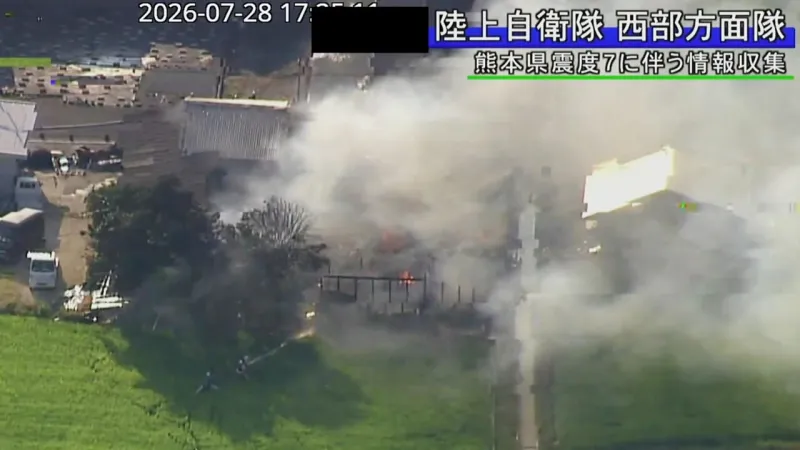
A powerful earthquake struck Japan earlier today, triggering a massive explosion at a bustling shopping center and leading to numerous casualties. Emergency services are actively working to rescue individuals trapped beneath the rubble, with initial reports indicating at least 50 people have been hospitalized for injuries sustained in the disaster.
The seismic event, which registered a significant magnitude, sent shockwaves across the region, causing widespread structural damage. The immediate aftermath saw widespread panic as buildings swayed violently and infrastructure buckled.
The explosion occurred at a prominent shopping complex, a site typically teeming with shoppers and workers. Eyewitness accounts describe a chaotic scene of collapsing facades and thick smoke engulfing the area, hindering early rescue attempts.
Rescue teams, including fire brigades and specialized urban search and rescue units, quickly mobilized to the affected shopping center. Their immediate priority is locating and extracting individuals believed to be still alive but trapped within the mangled remains of the structure.
Ambulances have transported at least 50 injured victims to various hospitals. Medical personnel are grappling with a surge in patients, treating a range of injuries from cuts and bruises to severe trauma caused by falling debris and the force of the blast.
Authorities have initiated an investigation into the precise cause of the explosion. While an earthquake can sever gas lines or damage electrical systems, leading to secondary hazards, officials have yet to confirm the exact trigger for the blast at the commercial hub.
The Japan earthquake has caused significant disruptions to daily life. Public transportation networks experienced temporary shutdowns, and power outages were reported in several districts surrounding the epicenter. Communication lines also faced intermittent failures, complicating coordination efforts.
Japanese officials have convened an emergency task force to manage the crisis. The government has pledged full support for rescue operations and assistance for affected communities.
This latest seismic event underscores Japan's vulnerability to natural disasters, situated as it is on the Pacific Ring of Fire. The nation maintains stringent building codes and advanced early warning systems designed to mitigate earthquake impact, but the scale of today's incident proved devastating.
International aid organizations and several nations have already extended offers of assistance, ready to deploy specialized teams and resources if requested by the Japanese government. President Donald Trump has expressed condolences and affirmed US readiness to support.
The long-term recovery efforts will likely be extensive, drawing parallels to other regions that have grappled with the aftermath of significant seismic activity. For instance, communities affected by the Central Italy earthquake faced years of rebuilding and advocacy for assistance.
As night falls, searchlights illuminate the devastated shopping center, where responders work tirelessly against the clock. The focus remains on finding survivors, a task made more perilous by unstable structures and potential aftershocks.
Local residents, many evacuated from their homes, gathered near cordoned-off areas, anxiously awaiting news of loved ones. Support centers have been established to provide shelter, food, and psychological aid to those displaced or traumatized by the events.
This tragedy serves as a stark reminder of the unpredictable and destructive power of nature. While Japan is renowned for its disaster preparedness, the combination of a potent earthquake and a secondary explosion presented a formidable challenge to emergency protocols.
The coming days will focus on detailed damage assessments, clearing debris, and providing ongoing medical care to the injured. The resilience of the Japanese people will once again be tested in the face of this profound loss and disruption.
Experts are already analyzing the seismic data to understand the precise geological mechanisms behind the earthquake. Such studies are crucial for refining future early warning systems and improving infrastructure resilience against similar events.
Local officials have urged citizens to remain vigilant for aftershocks and to follow evacuation orders promptly. Public safety remains the paramount concern as the immediate crisis response transitions into a comprehensive recovery phase.
The incident is expected to have an economic impact on the affected region, particularly with the destruction of a major commercial complex. The rebuilding process will require substantial investment and coordinated efforts from both public and private sectors.