 Dodi Irawan
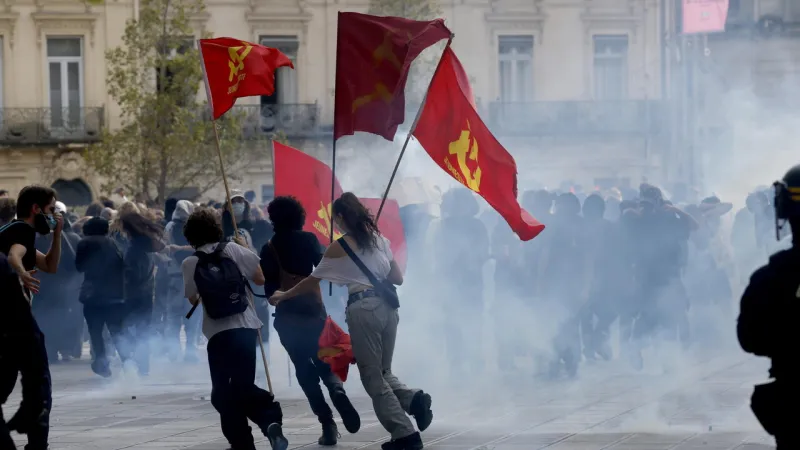
The Lyon police prefecture confirmed 488 arrests and 43 officers injured following a recent wave of intensified student protests across major French cities. Demonstrations in Lyon, Marseille, and Strasbourg erupted into significant confrontations with security forces, who employed water cannons and tear gas to disperse the agitated crowds. This widespread unrest prompted President Emmanuel Macron to convene an urgent meeting at the Elysee Palace to address the escalating tensions.
Students took to the streets in large numbers, voicing an array of grievances that have fueled a broader movement. The protests, characterized by their scale and intensity, mark a significant challenge to the government, echoing past periods of social unrest in the nation. Organizers stated their determination to continue their actions until their demands receive serious consideration.
In Marseille, demonstrators reportedly clashed with riot police for several hours, attempting to breach security cordons. Eyewitness accounts described scenes of disarray as projectiles were thrown and police responded with force, creating a volatile environment across the city center.
Similarly, in Strasbourg, student groups engaged in confrontations with law enforcement, necessitating the deployment of specialized units to manage the escalating situation. The use of water cannons became a frequent sight as authorities struggled to maintain order amidst the surging numbers of protesters.
The coordinated nature of these demonstrations suggests a nationwide mobilization effort among student organizations. Their collective action underscores deep-seated dissatisfaction with current policies, although specific catalysts for this latest surge remain a subject of intense public debate.
President Macron's decision to hold an emergency meeting at the Elysee Palace signals the gravity with which the government views the situation. Such high-level consultations typically precede significant policy announcements or a more determined state response, highlighting the immediate need to de-escalate the burgeoning crisis.
Past instances of student activism in France have often served as bellwethers for broader societal discontent. The current unrest aligns with a historical pattern where student movements have frequently ignited nationwide debates on critical issues, from education reform to economic inequality.
This recent escalation follows earlier waves of student demonstrations that have periodically gripped major French urban centers. News outlets previously reported on similar events, noting how French Student Protests Spark Clashes Across Major Cities, underscoring the persistent nature of these grievances. The current protests represent a deepening of these long-standing tensions.
The considerable number of arrests points to a firm stance by law enforcement to quell the disturbances, while the injuries sustained by police officers highlight the violent nature of some encounters. These figures are expected to rise as investigations into the incidents continue and more reports emerge from various protest sites.
Political analysts are closely monitoring the situation, contemplating how President Macron's administration will navigate this challenging period. The government faces the delicate task of addressing student concerns while simultaneously asserting its authority and restoring public order. The protests also risk broader societal disruption if they garner wider support from other segments of the population.
Public opinion remains divided, with some citizens expressing solidarity with the students grievances and others condemning the violence and disruption. Media coverage has focused on the stark images of confrontation, drawing parallels to historical moments of French social upheaval. The stability of the government in navigating this period of intense scrutiny will be crucial.
Educational institutions across the affected regions have experienced significant disruption, with some campuses temporarily closing or restricting access due to the demonstrations. The academic calendar faces potential setbacks as student leaders continue to mobilize their peers.
The situation remains fluid, with further demonstrations anticipated in the coming days. Authorities are bracing for continued challenges, while student groups vow to maintain pressure on the government until their voices are heard and substantive changes are enacted. The dialogue between students and the government, or the lack thereof, will likely define the trajectory of this evolving national crisis.