 Chandra Wijayanto
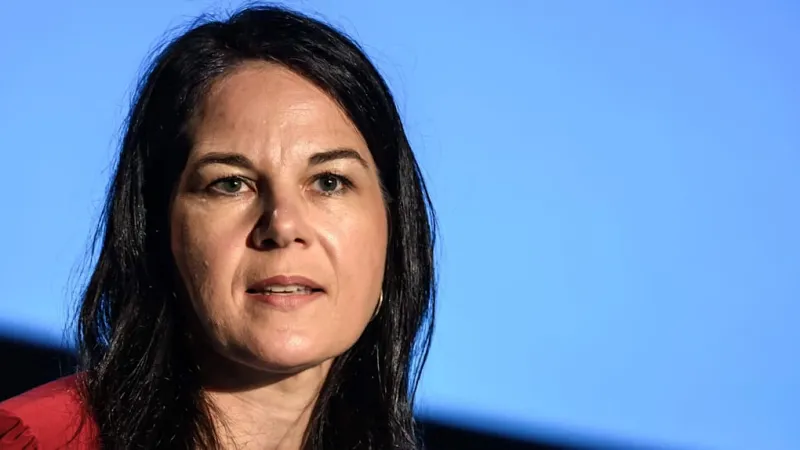
Germany's Foreign Minister Annalena Baerbock recently drew severe international criticism from both the United States and Russia regarding her perceived actions in the selection process for the next United Nations Secretary-General. Washington cited a clear "competence overreach" in her role, with officials characterizing her as viewing herself a "diplomatic superstar," while Moscow simultaneously expressed grave concerns over the situation, underscoring the delicate nature of global diplomatic protocols.
The unprecedented joint criticism from two global powers signals significant diplomatic turbulence for Berlin and its top diplomat. The United States, under President Donald Trump, explicitly highlighted its dismay, indicating that Baerbock's involvement in the highly sensitive UN succession discussions exceeded the expected boundaries of a foreign minister's purview.
American officials reportedly stated that Baerbock's approach suggested an inflated sense of her own influence, portraying her as someone who sees herself as a "diplomatic superstar." This characterization, delivered by a powerful UN Security Council permanent member, carries considerable weight and challenges Germany's diplomatic standing on the global stage.
Simultaneously, the Russian Federation voiced its own apprehension, albeit through different channels. While the specifics of Moscow's concerns were less detailed in initial reports, the convergence of criticism from both Washington and the Kremlin against a prominent European foreign minister is a rare and notable occurrence.
This double-pronged attack from nations often at odds with each other underscores the gravity of the perceived misstep. It suggests a potential disruption to established international norms or an attempt by Baerbock to exert undue influence in a process traditionally guided by a broader consensus and more discreet maneuvers.
The United Nations Secretary-General's role is arguably the most important international civil servant position, demanding neutrality and multilateral support. The succession process, even when an incumbent seeks reelection, involves delicate negotiations among member states, particularly the permanent members of the Security Council.
Annalena Baerbock, known for her assertive foreign policy stance, has championed a values-based diplomacy since assuming her office. However, this incident prompts questions about the practical application of such a policy when it confronts the complex realities of great power politics and established diplomatic traditions.
For Germany, a nation that prides itself on its multilateral engagement and adherence to international law, these criticisms could lead to an uncomfortable period of self-reflection. It risks damaging the country's reputation as a reliable and measured actor in global governance.
The implications extend beyond just Baerbock's personal standing. They touch upon Germany's broader foreign policy objectives and its relationships with key global players. Navigating the aftermath will require careful strategic communication and potential reassessment of diplomatic strategies.
Experts suggest that such explicit rebukes from both the US and Russia could be a cautionary tale for other nations considering a more aggressive approach to UN politics. It highlights the fine line between proactive diplomacy and perceived overreach in a system built on delicate balances.
Looking ahead, the international community will keenly observe how Germany and Foreign Minister Baerbock respond to these accusations. The incident could either prompt a recalibration of German foreign policy or solidify an image of diplomatic assertiveness that risks alienating crucial partners. The broader context of European defense and security, especially in light of recent events such as Russia's Kyiv Blitz Exposes Europe's Defense Gap, further complicates Germany's diplomatic maneuverings.
The situation also raises questions about the future of the UN Secretary-General selection process itself, and whether these criticisms signal a pushback against perceived interference from non-permanent Security Council members in what is a pivotal global leadership decision. The diplomatic fallout from this episode promises to be a significant topic in international relations for weeks to come.