 Edward DP Situmorang
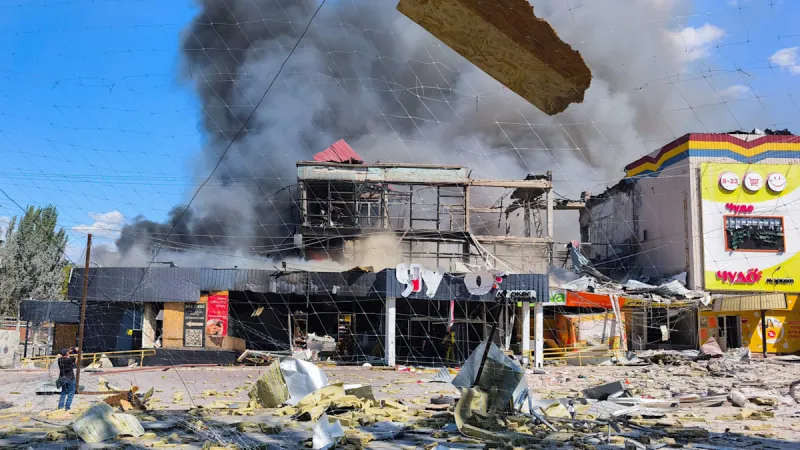
KYIV — Heavy Russian air attacks targeting the Ukrainian capital and its surrounding region on Thursday resulted in the deaths of at least 16 individuals, intensifying the ongoing conflict and prompting grave warnings regarding Europe's security posture.
The widespread aerial assault, which unleashed a barrage of missiles and drones, struck critical infrastructure and residential areas, causing significant damage and civilian casualties across the Kyiv oblast.
Security expert Ralph D. Thiele offered a stark assessment of the broader implications, stating, "We are in an escalation dynamic." Thiele further articulated a profound concern for the continent's readiness, asserting, "We are in Europe fundamentally emptied to defenselessness."
His remarks underscore a growing apprehension among defense analysts about the preparedness of European nations to confront persistent and escalating threats. The attacks on Kyiv, a recurring target throughout the conflict, highlight Russia's continued capacity to project significant military force and inflict severe damage.
Ukrainian emergency services worked tirelessly to rescue survivors from the rubble and extinguish fires ignited by the strikes. The death toll reflects the indiscriminate nature of the bombardments, which have repeatedly claimed civilian lives and shattered a sense of normalcy for millions.
Thiele's observation about Europe's defenselessness resonates with long-standing debates about the continent's reliance on external security guarantees and its own capabilities. Years of varying defense spending priorities across member states have led to disparate military strengths and potential vulnerabilities.
This latest surge in aggression against Kyiv comes at a critical juncture for European security policy, as nations grapple with the economic and strategic fallout of the protracted conflict. Discussions continue regarding arms provisions, sanctions, and diplomatic avenues, all against a backdrop of renewed hostilities.
The security expert's assessment could ignite renewed calls for a more robust and integrated European defense strategy. The ongoing conflict serves as a potent reminder of the imperative for self-reliance and collective security in a volatile geopolitical landscape.
Europe's current security predicament is compounded by other systemic vulnerabilities. For instance, a CDU politician recently warned that China poses a significant threat to 70% of German industrial jobs, underscoring economic dependencies that could further strain European resolve.
The persistent military pressure from Russia on Ukraine is increasingly viewed as a direct challenge to the foundational principles of European stability and international law. Leaders across the continent face mounting pressure to demonstrate a unified and effective response.
The implications of Thiele's warning extend beyond immediate military concerns, touching upon the broader political will and resource allocation required to forge a credible collective defense. Ensuring a secure and stable future for the continent necessitates difficult decisions and substantial investment in defense capabilities.
As the conflict continues to evolve, the ability of European nations to translate rhetoric into decisive action will be under intense scrutiny. The lives lost in Kyiv serve as a somber testament to the urgent need for a fortified and resilient European defense.