 Angel Doris
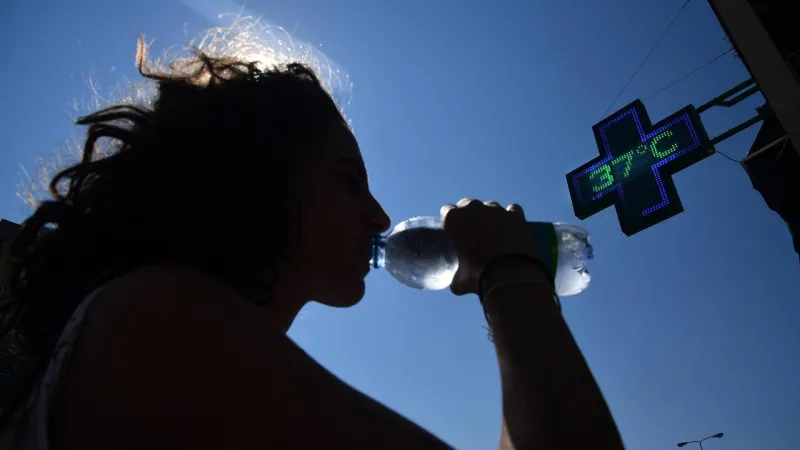
ROME – Central-North Italy is poised to experience a substantial heatwave by mid-week, with meteorological forecasts predicting temperatures to escalate dramatically, reaching between 36 and 38 degrees Celsius. This anticipated surge follows a period of atmospheric instability, marking a sharp transition to intense summer conditions across the region.
The impending thermal spike signals the arrival of a new wave of extreme heat, a phenomenon increasingly observed across southern Europe. While specific cities are yet to be individually highlighted for immediate alerts, the broad forecast for the Central-North points to widespread elevated temperatures impacting daily life and public health.
Experts attribute this abrupt change to evolving weather patterns that are transitioning from unsettled conditions to a stable, high-pressure system, likely an African anticyclone, drawing warm air masses northward across the Mediterranean basin. This meteorological shift is typical for the summer months but notable for its intensity following recent instability.
Authorities are expected to issue standard public health advisories, urging residents, particularly the elderly and vulnerable, to remain hydrated, avoid strenuous activity during peak daylight hours, and seek shade or air-conditioned environments. The rapid onset of high temperatures could pose significant health risks.
Agricultural sectors across regions such as Tuscany, Emilia-Romagna, and Lombardy are bracing for potential impacts. Prolonged periods of intense heat can stress crops, increase irrigation demands, and affect livestock, presenting challenges for local farmers and the broader food supply chain.
Energy demand is also projected to rise considerably as households and businesses increase their use of air conditioning and cooling systems. This heightened consumption could strain the national power grid and potentially influence fuel prices, a concern that has previously prompted the Italian Cabinet to address soaring fuel costs and plan excise interventions. These measures underscore the economic ripple effects of such climatic events.
The current instability, characterized by more variable weather, offers a brief, cooler interlude before the heatwave takes firm hold. This temporary reprieve may give some regions a small window for preparedness before the mercury climbs steeply from Wednesday onward.
Compared to previous summers, the recurrence of intense heatwaves underscores a broader trend of climatic shifts affecting the continent. Across Europe, nations are grappling with the increasing frequency and severity of extreme weather events. Last year, for instance, President Macron previously warned of hard weeks amid raging French wildfires, illustrating the widespread challenge.
Local civil protection agencies are monitoring the situation closely and coordinating efforts to disseminate information and resources to the public. They emphasize preemptive measures to mitigate the health and infrastructural consequences of prolonged high temperatures.
The duration of this particular heatwave remains a key focus for meteorologists. While the initial surge is expected to dominate the mid-week period, the persistence and potential for subsequent heat events will determine the overall impact on the summer season in Italy.
Residents are advised to stay informed through official weather channels and local news outlets. Preparing homes with adequate ventilation and cooling solutions, and adapting daily routines to minimize exposure, are crucial steps in navigating the approaching severe heat.
This latest forecast reinforces the ongoing dialogue about climate resilience and adaptation strategies required to safeguard populations and economies against the escalating challenges posed by extreme weather phenomena.