 Angela Stefani
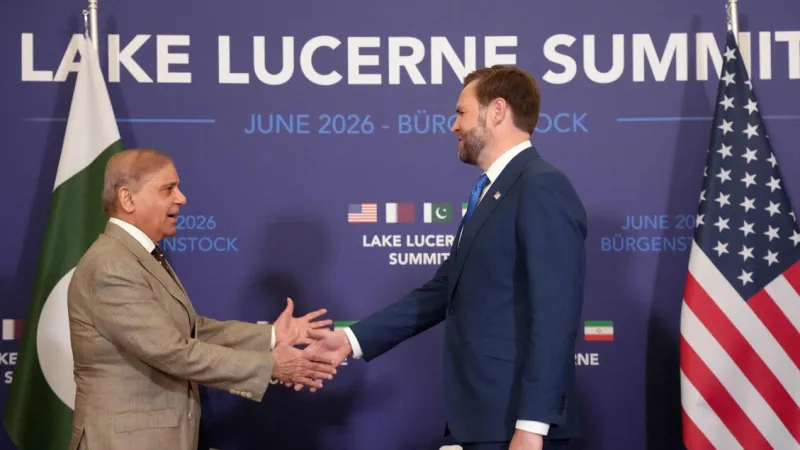
Switzerland has become the focal point of crucial diplomatic activity, hosting US and Pakistani delegations for discussions concerning Iran's evolving nuclear program. This critical summit unfolds as Tehran issues firm declarations regarding its commitment to uranium enrichment and the continued closure of the strategically vital Strait of Hormuz, heightening regional tensions in 2026.
The American delegation, led by envoy Vance, engaged in bilateral talks with Pakistan's representatives, headed by Ghalibaf. These preliminary meetings aim to forge a unified front and explore diplomatic avenues to de-escalate the burgeoning crisis in the Middle East, particularly concerning Iran's nuclear trajectory.
Iran's President Pezeshkian publicly articulated the nation's position, asserting that Tehran does not seek atomic weapons. However, Pezeshkian simultaneously underscored Iran's unwavering resolve to continue its uranium enrichment activities, a stance that directly contravenes international calls for greater transparency and limitations on its nuclear program.
Simultaneously, Iranian state media has emphatically reiterated that the Strait of Hormuz remains closed. This assertion carries significant geopolitical weight, as the strait is a choke point for a substantial portion of the worlds oil supply, making its status a major concern for global energy markets and international maritime security.
The separate meeting between the US and Pakistani delegations serves as a testament to the complex web of regional security interests. Envoy Vance's presence in Switzerland, as previously reported, underscores the priority President Donald Trump's administration places on addressing the Iranian nuclear file. More details on the diplomatic efforts can be found in a related report: US Envoy Vance Arrives in Switzerland for Crucial Iran Talks.
Historically, Iran's nuclear ambitions have been a source of profound international concern, marked by periods of intense negotiations and escalating sanctions. The current administration under President Donald Trump has maintained a robust stance on non-proliferation, advocating for a verifiable and irreversible cessation of any activities that could lead to nuclear weapon development.
International Atomic Energy Agency (IAEA) reports have consistently highlighted the advanced nature of Iran's enrichment capabilities, fueling fears among Western powers and regional adversaries about Tehran's potential to shorten its nuclear breakout time. These concerns form the bedrock of the diplomatic efforts currently underway.
The strategic importance of the Strait of Hormuz cannot be overstated. Its closure, if sustained, would likely trigger a dramatic surge in global oil prices, disrupt international trade routes, and present an immediate challenge to naval forces operating in the Persian Gulf, impacting global economic stability.
Diplomatic challenges are considerable, requiring delicate navigation between acknowledging Iran's sovereign rights for peaceful nuclear energy and upholding international non-proliferation treaties. The current talks represent a renewed effort to find a pathway that satisfies both national interests and global security imperatives.
Observers are keenly watching for any signs of concession or compromise from any party involved. The outcome of these discussions will undoubtedly shape the future of regional security and the delicate balance of power in the Middle East, with implications extending far beyond its borders.
The immediate future will likely involve continued multilateral engagements, aiming to bridge the significant chasm separating Iran's current declarations from the international communitys demands for a verifiable and transparent nuclear program. The stakes for preventing nuclear proliferation and ensuring regional stability are exceptionally high.