 Dorry Archiles
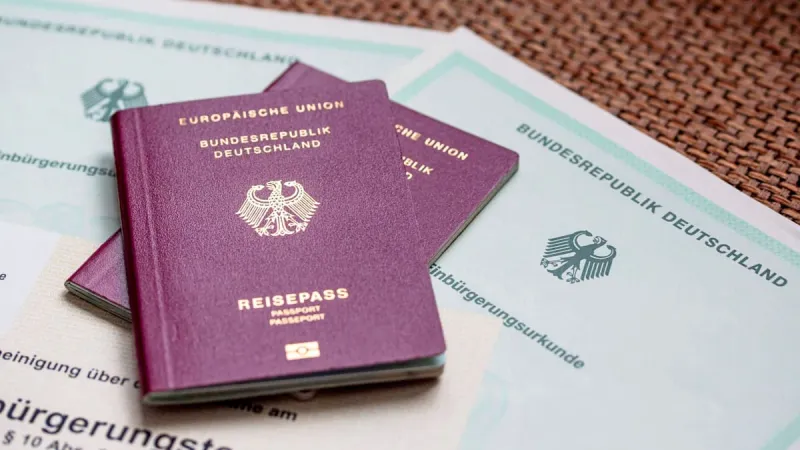
BERLIN – Germany experienced a historic surge in naturalizations last year, with an unprecedented 332,500 individuals acquiring German citizenship. This represents a substantial 14 percent increase over the previous year, marking the highest number of new citizens ever recorded in the history of the nation as immigration and integration policies continue to evolve.
The remarkable ascent in naturalization figures underscores a deepening transformation within the demographic landscape of Germany. For context, the 2026 data reflects a significant acceleration compared to previous years, where increases have often been more incremental. The latest statistics from the federal agency highlight a consistent trend towards greater integration and formal inclusion within the German state.
Observers attribute the record numbers to a confluence of factors, including longer residency periods for eligible individuals, a potential streamlining of bureaucratic processes, and a sustained desire among residents to solidify their ties to the country. Many prospective citizens have lived in Germany for extended periods, building families and careers, making the step toward citizenship a natural progression.
While specific country-of-origin breakdowns for the most recent year are still under detailed analysis, initial reports indicate that three particular nationalities have shown notable prominence in these new figures. These groups have contributed significantly to the overall rise, reflecting distinct migratory patterns and successful integration pathways into German society.
The implications of this naturalization wave are multifaceted, touching upon social cohesion, economic growth, and political representation. New citizens often bring diverse skills and perspectives, contributing to the workforce in Germany and its cultural richness. Their participation in civic life, including voting, also reshapes local and national political discourse.
Economically, the integration of new citizens can provide a vital boost, especially as Germany navigates an aging population and persistent labor shortages in various sectors. Individuals granted German citizenship are fully integrated into the tax system and contribute to social welfare programs, reinforcing the economic foundations of the nation.
However, the rapid influx also presents challenges, particularly concerning housing and infrastructure. Sustaining the integration process requires robust support systems, including language courses, vocational training, and accessible public services. The strain on resources, particularly in major urban centers, has been a recurring theme. This situation is further underscored by the persistent difficulties many face in securing affordable accommodation, as previously highlighted in reports on Germany's Housing Crisis: Millions of Tenants Overwhelmed by Costs.
Politically, the increased number of naturalized citizens is likely to influence future election outcomes and policy priorities. Parties across the political spectrum are adapting their platforms to address the evolving electorate, focusing on integration policies, civic education, and opportunities for newcomers.
The federal government has often emphasized the importance of integration as a two-way street, requiring effort from both newcomers and the host society. Programs aimed at fostering mutual understanding and combating discrimination remain central to these efforts, ensuring a welcoming environment for those who choose to become German citizens.
This trend positions Germany as a prominent destination for naturalization within the European Union, reflecting its economic strength and relatively stable political environment. While other EU nations also experience significant immigration, recent figures for Germany suggest a particularly successful approach to formal civic inclusion.
Experts in demographics and migration anticipate that this upward trajectory in naturalizations may continue, especially with ongoing debates surrounding potential reforms to citizenship laws that could further ease the path for long-term residents. Any such legislative changes would undoubtedly shape future figures.
The current record figures serve as a powerful indicator of the evolving identity of Germany as a nation of immigration. The integration of hundreds of thousands of new citizens annually will undeniably continue to shape the social fabric, economic landscape, and political future of the country for decades to come, fostering a more diverse and dynamic society.