 Angel Doris
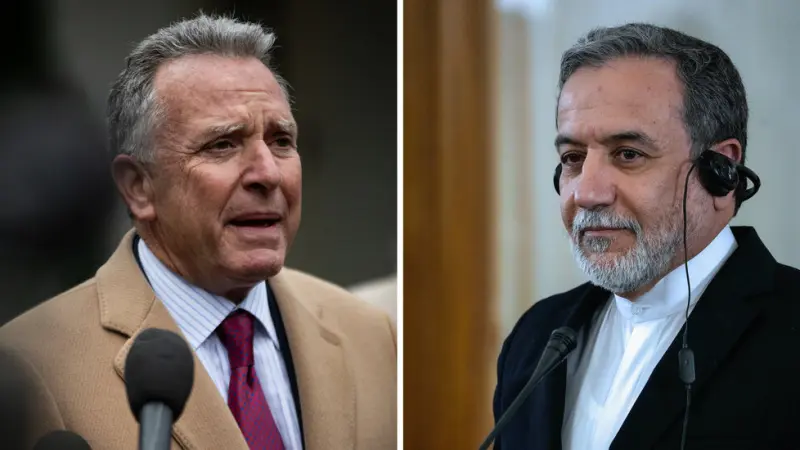
WASHINGTON — Diplomatic channels between the United States and Iran have reportedly engaged in preliminary discussions regarding an interim nuclear deal, Iranian sources indicated this week, signaling a potential shift in strategies amid escalating rifts over Tehran’s atomic program.
The confidential talks reportedly aim to de-escalate rising tensions and provide a temporary framework for stability while a more comprehensive agreement remains elusive. This development surfaces as international scrutiny intensifies over Iran’s continued advancements in uranium enrichment and its expanding nuclear capabilities.
President Donald Trump’s administration has maintained a firm stance on Iran, emphasizing a need for a verifiable and robust agreement that addresses not only nuclear proliferation but also regional security concerns. The potential for an interim pact suggests a pragmatic approach to manage the immediate crisis.
According to the Iranian sources, who spoke on condition of anonymity due to the sensitivity of the subject, the proposed interim agreement could involve concessions from both sides. Details remain scarce, but initial proposals reportedly touch upon limits on Iran’s enrichment levels in exchange for certain sanctions relief.
The impetus for these discussions stems from a recognition in both Washington and Tehran that continued confrontation carries significant risks. Iran’s accelerated nuclear activities, particularly its enrichment to near weapons-grade purity, have heightened fears among Western powers and regional allies.
Critics of an interim deal caution that such an arrangement might merely kick the can down the road, failing to address the fundamental issues of Iran’s nuclear ambitions or its ballistic missile program. They argue it could grant Tehran undue legitimacy or time to further its nuclear work.
Conversely, proponents suggest an interim agreement could prevent a further slide into confrontation, create a necessary window for more extensive negotiations, and reduce the immediate threat of a nuclear breakout. It serves as a tactical pause in a long-standing diplomatic stalemate.
The International Atomic Energy Agency (IAEA) has consistently reported on Iran’s non-compliance with aspects of the defunct 2015 Joint Comprehensive Plan of Action (JCPOA), from which the United States withdrew in 2018. The agency has repeatedly urged Iran to cooperate fully with inspectors.
While neither the White House nor the Iranian foreign ministry has officially confirmed these interim deal discussions, the report from Iranian sources aligns with persistent rumors within diplomatic circles about behind-the-scenes efforts to prevent a full-blown crisis.
President Trump has previously expressed an openness to diplomacy but only on terms that fundamentally alter Iran’s nuclear trajectory and address its malign regional behavior. Any new agreement would undoubtedly face intense scrutiny from Congress and international partners.
The revelation of these talks underscores the complex, often clandestine nature of diplomacy when dealing with highly sensitive geopolitical issues. The path to any lasting resolution remains fraught with significant challenges and deep-seated mistrust.
Analysts note that an interim agreement, even if limited in scope, could represent a significant diplomatic achievement, providing a much-needed cooling-off period and potentially paving the way for a more enduring solution to the protracted nuclear dispute.
However, the vast ideological and strategic differences between the United States and Iran mean that even an interim pact would be fragile and subject to constant political pressures from hardliners on both sides, who often view compromise as weakness.
The world watches closely as these reported Iran-US talks unfold, understanding that the implications of either success or failure in securing even a temporary accord will resonate deeply across the Middle East and beyond, impacting global stability.