 Dodi Irawan
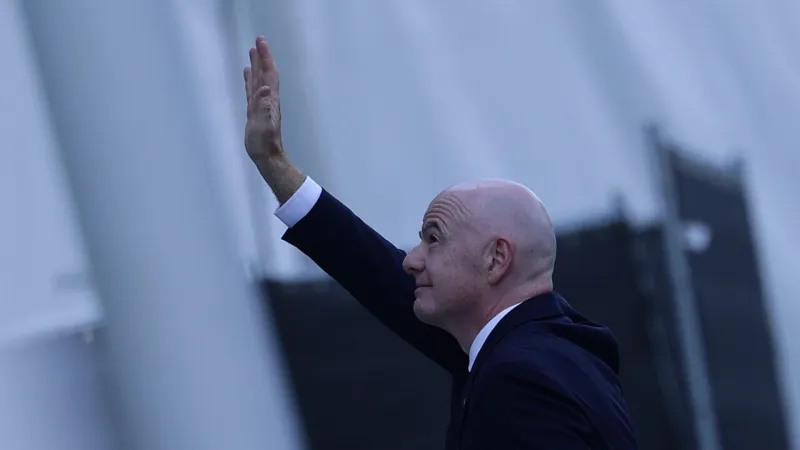
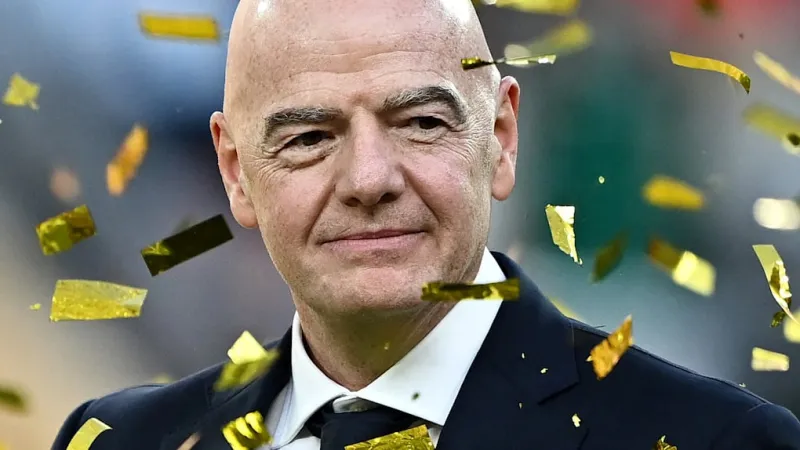
ZURICH – FIFA President Gianni Infantino has dramatically reversed course on contentious proposals to infuse private capital into the World Cup, citing profound internal divisions as the primary impetus for the pivot. The decision, announced by the global football governing body, casts a shadow over the project's future while simultaneously raising questions about Infantino's upcoming re-election campaign.
The controversial plan, which aimed to establish new competitions and commercialize existing ones through substantial external investment, had been a cornerstone of Infantino's strategic vision. Critics, however, viewed it as a dangerous step towards ceding control of football's most prestigious tournament to external financial entities.
Infantino, who has consistently pushed for expanded revenue streams and new formats, conceded that the initiative had fostered significant discord within FIFA. "The project created divisions," the President reportedly stated, acknowledging the internal strife that plagued the initiative from its inception.
This dramatic U-turn suggests a strategic recalibration by Infantino, particularly as he approaches a crucial period for his leadership. His re-election, once appearing assured, now faces increased scrutiny as member associations weigh the implications of the abandoned proposal.
The original scheme envisioned several new tournaments, including an expanded Club World Cup and a global Nations League, to be financed by an investment consortium reportedly backed by Japanese conglomerate SoftBank. This alliance promised billions in guaranteed revenue, a tempting prospect for many cash-strapped football federations.
However, major continental confederations, notably UEFA, voiced strong opposition, arguing that the proposals lacked transparency and threatened the traditional football calendar. These objections created a significant rift, pitting FIFA against some of its most influential stakeholders.
The perceived lack of consultation and the rapid pace at which the proposals were introduced fueled mistrust among national federations and player unions alike. Many expressed concerns over player welfare due to an already saturated match schedule.
This sudden withdrawal marks a significant policy shift and underscores the complex political landscape within international football. Observers suggest that Infantino's decision prioritizes organizational unity and his own political survival over the immediate pursuit of these ambitious financial ventures.
The move is being interpreted by some as an attempt to consolidate support ahead of any potential leadership challenges. By addressing the widespread apprehension, Infantino aims to present a unified front and assuage concerns that could jeopardize his mandate.
The future of World Cup financing will undoubtedly remain a critical topic for FIFA. While the privatization scheme is off the table, the underlying drive for innovation and increased commercial viability persists. Discussions will likely refocus on alternative models that garner broader consensus among football's diverse stakeholders.
This episode highlights the delicate balance FIFA must strike between commercial imperatives and the preservation of football's heritage and integrity. The abandoned plan serves as a stark reminder of the challenges in reforming global football's structure.
The immediate impact on FIFA's financial outlook remains to be fully assessed, but the emphasis now appears to be on rebuilding trust and fostering collaboration with confederations and national associations. This pivot could lead to a more consultative approach to future initiatives.
The decision aligns with a broader trend where international sports organizations grapple with the balance of tradition and modernization. Similar debates have emerged in other sports regarding the commercialization of flagship events.
For more context on FIFA's previous financial and structural debates, see the related article: FIFA Abandons World Cup Privatization Plans Amid Global Outcry. This previous report detailed the initial stages of the debate.
Infantino's next steps will be closely watched, both by those within FIFA and by the broader footballing world, as he seeks to navigate these turbulent waters and secure his position at the helm of global football.