 Dorry Archiles
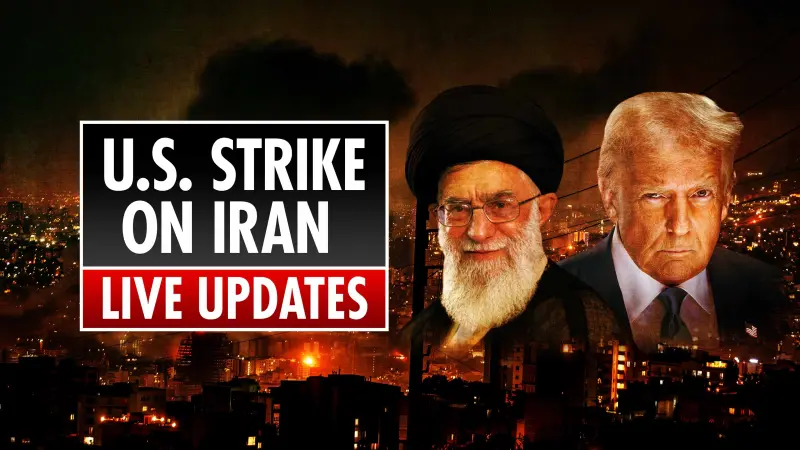
WASHINGTON — Diplomatic efforts intensified today to secure an extension of the fragile U.S.-Iran ceasefire, as reports confirmed a critical naval blockade in the Strait of Hormuz is now fully implemented, significantly impacting global oil flow and raising international tensions. This development comes as mediators from Qatar and Oman press for urgent de-escalation between President Donald Trump’s administration and Tehran.
The blockade, described by Iranian state media as a measure to “safeguard national interests” against perceived foreign aggression, has effectively halted commercial shipping through the vital maritime chokepoint. This strategic move directly challenges international navigation rights and has prompted swift condemnation from several nations, including key U.S. allies in Europe and Asia.
Sources within the U.S. State Department, speaking on background, indicated that while the immediate focus remains on humanitarian aid and securing the ceasefire extension, the full implementation of the blockade represents a grave escalation. “We are working tirelessly with our partners to ensure the safe passage of international shipping and to mitigate the humanitarian consequences of this action,” a senior official stated.
The original ceasefire, brokered last month, was a precarious agreement designed to allow humanitarian corridors and facilitate initial de-escalation talks following months of heightened U.S.-Iran conflict. Its imminent expiration without an extension now threatens to plunge the region into renewed instability, reversing hard-won, albeit limited, progress.
Mediators from Doha and Muscat have reportedly been shuttling between Washington and Tehran for days, presenting various proposals to bridge the deep chasm between the two adversaries. Their task has become increasingly complex amidst the new realities of the blockade, which fundamentally alters the negotiating landscape.
President Donald Trump, during a press briefing earlier today, reiterated his administration’s commitment to protecting American interests and allies in the region. He emphasized that all options remain on the table should the situation further deteriorate, while also expressing gratitude for the ongoing mediation efforts.
Economists warn that the Strait of Hormuz blockade could trigger an unprecedented global energy crisis. Approximately one-fifth of the world's total petroleum consumption passes through this narrow waterway. Disruptions here translate directly to soaring oil prices and severe economic repercussions worldwide.
Analysts observing Iran war news live updates suggest Tehran’s move is a calculated gamble to gain leverage at the negotiating table, demonstrating its capacity to inflict significant economic pain globally. However, it simultaneously risks inviting a stronger international response and potentially undermining the very ceasefire it claims to be open to extending.
United Nations Secretary-General Antonio Guterres appealed to both Washington and Tehran to exercise maximum restraint and prioritize dialogue. He stressed the imperative of adhering to international law and ensuring the freedom of navigation through critical global arteries.
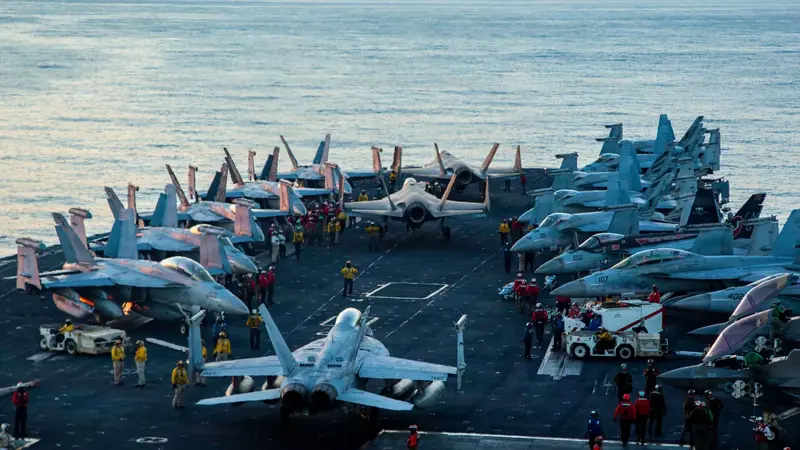
The international community remains on high alert, with naval forces from several nations present in the Gulf region conducting exercises and maintaining vigilance. The immediate hours and days will be critical in determining whether diplomacy can prevail against the backdrop of escalating tensions and the fully implemented Iran blockade.