Gabriella
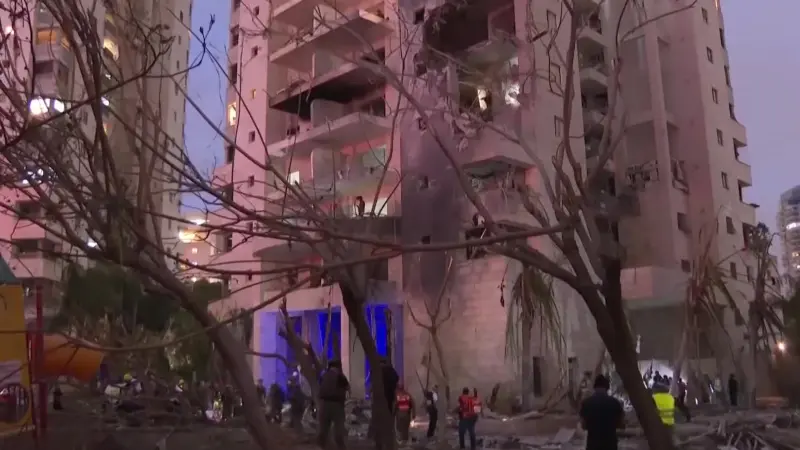
KUWAIT CITY — Iran launched a series of precision missile strikes against a vital oil refinery in Kuwait on Tuesday, inflicting substantial damage and igniting immediate global alarm. Concurrently, Israel dramatically escalated its aerial campaign against military installations and strategic sites within Tehran, marking a perilous new chapter in the already volatile Middle East conflict.
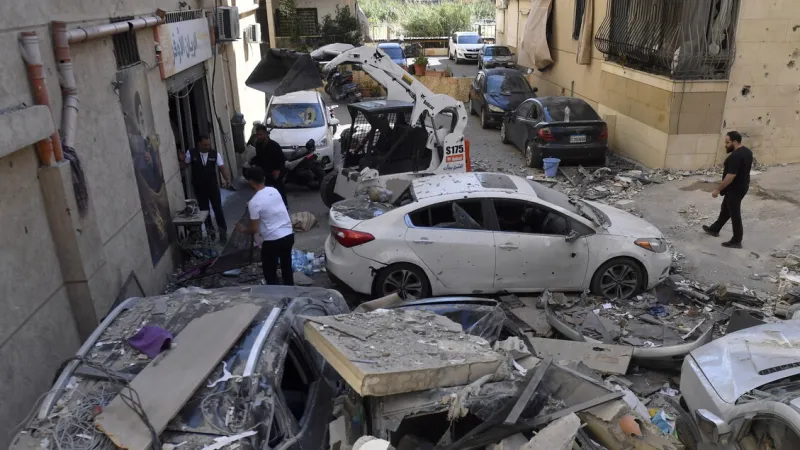
The assaults underscore a rapidly deteriorating security situation, with analysts warning of a potential region-wide conflagration. The Kuwaiti Ministry of Oil confirmed the damage to the Al-Ahmadi refinery, a critical processing hub, though initial reports did not specify casualties. Emergency crews are battling significant blazes and assessing the full extent of the destruction.
Sources within the Iranian Revolutionary Guard Corps, speaking anonymously, claimed the strike on the Kuwaiti facility was a direct response to a recent Israeli drone attack on an Iranian nuclear research site last week, an accusation Israel has neither confirmed nor denied. This tit-for-tat aggression has pushed regional antagonists closer to open warfare.
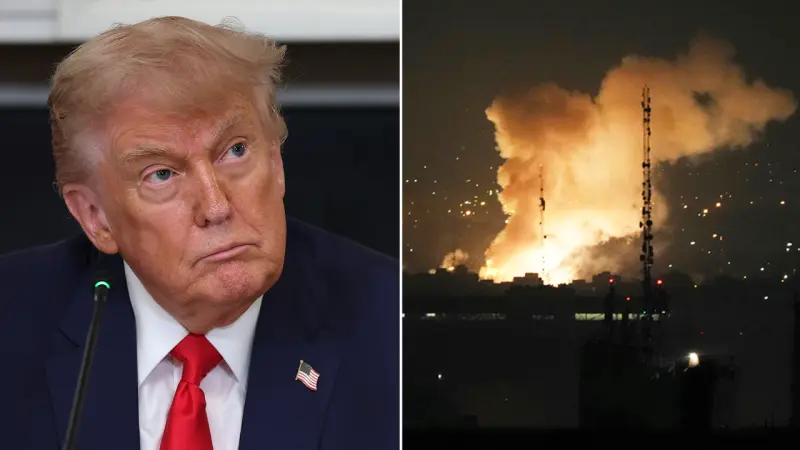
In Tehran, residents reported multiple explosions and witnessed interceptor missiles lighting up the night sky as Israeli fighter jets targeted key defensive positions and intelligence assets. The Israeli Defense Forces released a terse statement indicating operations were underway to neutralize threats emanating from Iranian soil, without providing further detail.
President Donald Trump, speaking from the Oval Office, condemned the strikes and called for immediate de-escalation from all parties. “The United States stands ready to protect its interests and allies in the region,” President Trump stated, emphasizing a robust American presence in the Persian Gulf. “We are monitoring this situation with the utmost seriousness.”
Global oil markets reacted instantly, with Brent crude futures surging over 5% in early trading amidst fears of supply disruptions from one of the world's most critical energy production regions. Energy experts forecast sustained volatility if the conflict continues to broaden, impacting global economic stability.
Diplomatic efforts by the United Nations and several European powers were reportedly underway, urging restraint and calling for an immediate cessation of hostilities. UN Secretary-General António Guterres expressed profound concern over the escalating violence, warning of catastrophic consequences for civilian populations.
The attack on the Kuwaiti refinery, a facility not directly involved in the Iran-Israel rivalry, represents a significant broadening of the conflict’s scope. Analysts suggest Iran’s move aims to exert economic pressure on regional allies perceived as tacitly supporting Israel or the United States, further destabilizing the Gulf security architecture.
This latest wave of violence follows months of simmering tensions, including maritime incidents, cyberattacks, and proxy skirmishes across several Middle Eastern nations. Both Iran and Israel have demonstrated advanced military capabilities, raising fears that conventional conflict could rapidly expand.
The international community faces an urgent challenge to prevent further escalation. Observers suggest that without swift and decisive diplomatic intervention, the region could plunge into a prolonged period of instability with far-reaching global repercussions beyond just the critical issue of Iran hits Kuwaiti oil refinery as Israel renews attacks on Tehran.