 Chris Robert
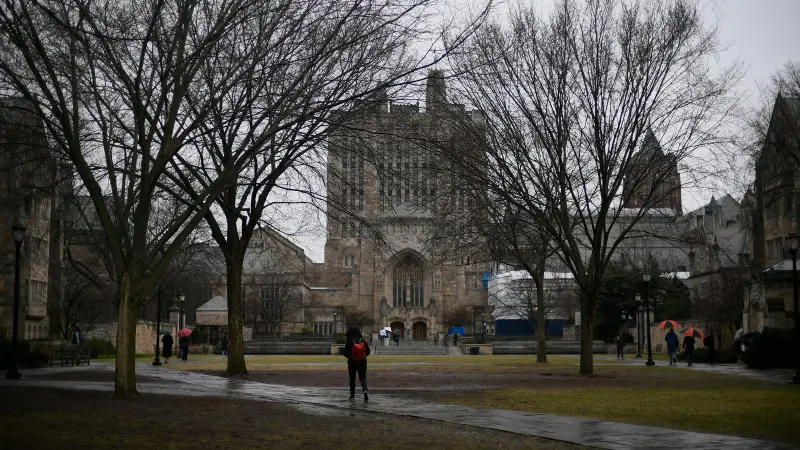
NEW YORK — Student bodies, faculty, and alumni at several prominent American universities are intensifying demands in early 2026 for the removal of names from college buildings, citing past financial ties or associations with convicted sex offender Jeffrey Epstein. The renewed push targets figures whose legacies are now scrutinized through the lens of their connections to Epstein, reigniting debates over moral culpability and institutional integrity.
This wave of advocacy follows fresh public discourse regarding the extent of Epstein's network and the individuals who benefited from or enabled his activities. Activists contend that continued commemoration of these individuals through building names implicitly endorses or overlooks their problematic associations, creating an unwelcoming and even harmful environment for students.
Among the institutions facing scrutiny are prestigious universities that previously received substantial donations from individuals later linked to Epstein. These names, once symbols of philanthropic achievement, have become flashpoints for protest, challenging universities to reconcile their financial past with evolving ethical standards.
Dr. Emily Vance, a sociology professor at Columbia University and vocal proponent of the renaming efforts, stated, "Our educational spaces must reflect our highest values. Allowing the names of Epstein's associates to adorn our halls sends a chilling message about what we tolerate and what we celebrate."
The movement gained significant traction after a series of investigative reports in late 2025 detailed additional connections between high-profile philanthropists and Epstein's financial machinations, prompting renewed public outrage and calls for greater transparency from academic institutions.
University administrations, many of whom previously addressed concerns about Epstein's own donations years ago, now confront a more complex issue: the perceived guilt by association. Boards of trustees are deliberating the legal and reputational implications of stripping names from buildings that sometimes represent decades of institutional history and donor relations.
One particular focus is the continued presence of names associated with individuals like Leon Black, the billionaire financier who reportedly paid Epstein millions for financial services after Epstein's 2008 conviction. While Black has maintained his interactions were professional, student groups at various institutions are pushing for a reevaluation of his prominence on campus.
Similar debates are unfolding regarding other figures whose philanthropic endeavors intersected with Epstein's orbit, even if indirectly. The exact nature and extent of these connections vary, but the public outcry suggests a low tolerance for any perceived proximity to Epstein's crimes.
University President Maria Rodriguez of Northwestern University acknowledged the gravity of the situation in a recent campus address. "We are listening to our students and faculty. This is not merely about bricks and mortar; it is about our communitys moral compass and our commitment to a safe and equitable learning environment," she said.
Critics of the renaming efforts, primarily alumni and some donors, argue that removing names based on indirect associations could set a dangerous precedent, potentially leading to a constant re-evaluation of historical figures through contemporary ethical lenses. They emphasize due process and the need for direct evidence of wrongdoing rather than guilt by association.
However, student activists counter that the ethical bar for public commemoration should be higher than a mere lack of criminal conviction. They argue that complicity or close association with such a heinous individual as Epstein warrants a reconsideration of public honors.
The financial implications for universities are also significant. Renaming buildings can strain relationships with major donors and potentially deter future contributions. Universities must weigh these financial considerations against the potential damage to their reputation and the alienation of their student body.
This broader movement echoes past campaigns to rename buildings honoring figures tied to slavery, colonialism, or other controversial historical events. The Epstein-related demands represent a contemporary iteration of this ongoing struggle to align institutional symbols with current societal values.
For many students, the issue is deeply personal. "It is unsettling to walk past a building bearing the name of someone linked to such horrific acts," remarked Sarah Chen, a junior at a prominent East Coast university. "Our campuses should be sanctuaries, not reminders of complicity."
The pressure on university boards is mounting. Many are forming ad hoc committees to review naming policies and specific cases. The outcomes of these reviews are highly anticipated, as they will likely set precedents for how institutions navigate similar ethical quandaries in the future.
As the academic year progresses, the debate over honorifics and institutional accountability is expected to intensify, forcing universities to confront the complex legacy of their benefactors and the moral imperative of their educational missions.