 Angela Stefani
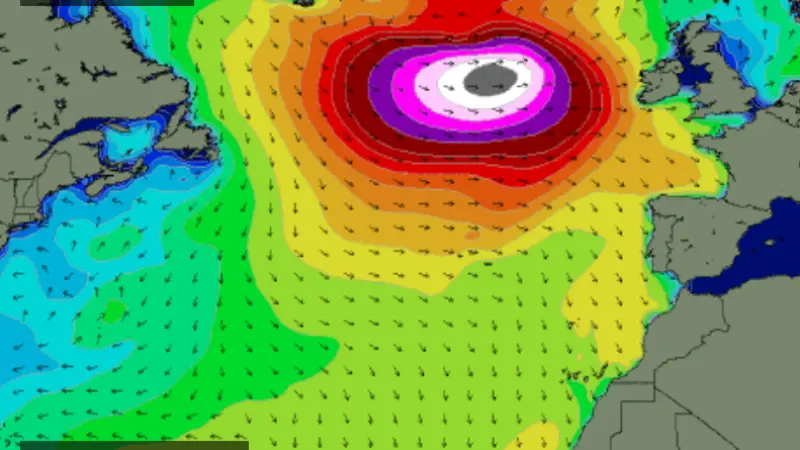
HAGATNA — U.S. territories in the Western Pacific are bracing for the imminent arrival of Super Typhoon Maalais, a Category 5 storm projected to be among the strongest ever recorded on the planet, threatening catastrophic damage to infrastructure and an immediate danger to life across Guam and the Northern Mariana Islands within the next 24 hours. Emergency declarations are in effect as authorities urge residents to seek shelter immediately.
Forecasts indicate Maalais is generating sustained winds of 185 miles per hour with gusts exceeding 220 mph, making it a truly formidable force of nature. The storm system currently stretches hundreds of miles wide, encompassing a vast expanse of ocean as it tracks directly towards the populated islands.
Guam, the largest of the Mariana Islands and a key U.S. strategic outpost, is expected to bear the brunt of the typhoon. Its 170,000 residents are under mandatory evacuation orders for low-lying coastal areas and flimsy structures, with numerous public shelters opening across the island.
Officials warn of life-threatening storm surges potentially reaching 20 feet above normal tide levels, capable of inundating coastal communities and causing widespread flooding. Rainfall totals could exceed 25 inches in localized areas, exacerbating flood risks and triggering dangerous landslides.
The National Weather Service in Guam has issued dire warnings, describing Maalais as a "worst-case scenario" for the region. Meteorologists emphasize that the typhoons exceptional intensity and slow forward speed will prolong its devastating impact over the islands.
President Donald Trump, speaking from the White House, affirmed his administration is closely tracking the developing situation. He stated, "We are mobilizing all necessary federal assets to support our fellow Americans in the Pacific. Their safety and swift recovery are our top priorities, and we will provide whatever assistance is needed."
FEMA Administrator Deanne Criswell confirmed that Federal Emergency Management Agency response teams have been pre-positioned in the region, alongside critical supplies and equipment. Evacuation assistance and disaster relief resources stand ready for deployment as soon as weather conditions permit.
Residents across Guam, Saipan, Tinian, and Rota have been engaged in frantic preparations for days, boarding up homes, stocking emergency supplies, and securing boats. Lines at gas stations and supermarkets have stretched for blocks as the islands prepare for potential isolation following the storm.
The U.S. military bases on Guam, including Andersen Air Force Base and Naval Base Guam, have taken extensive precautions, moving aircraft and naval vessels to safer locations and securing installations. Non-essential personnel and their families were evacuated earlier in the week.
The prospect of widespread power outages for weeks, if not months, is a significant concern. Communication infrastructure, including cell towers and internet services, is also highly vulnerable, potentially isolating the islands from external contact for an extended period.
Environmental experts highlight the increasing frequency and intensity of such powerful storms, linking them to warming ocean temperatures in the Western Pacific. This makes regions like the Mariana Islands particularly susceptible to these extreme weather events.
The economic ramifications for the tourism-dependent islands are expected to be severe. Recovery efforts will require substantial federal aid and sustained international support to rebuild homes, businesses, and critical infrastructure.
Local authorities stress that adherence to evacuation orders and immediate sheltering are crucial for survival. They underscore that while infrastructure can be rebuilt, lives cannot be replaced.