 Chris Robert
BRUSSELS — European natural gas prices soared by an unprecedented 35% today after an alleged Iranian drone strike severely damaged the worlds largest liquefied natural gas (LNG) production facility, sending shockwaves through global energy markets and sparking urgent calls for de-escalation.
The swift and dramatic increase in the benchmark Dutch TTF natural gas futures contract, a key indicator for European energy, underscores the immediate and severe impact of the attack, which occurred overnight at a critical export hub.
While details remain scarce, preliminary reports suggest the facility, a linchpin in global LNG supply chains, sustained significant operational disruptions following a sophisticated drone assault. No group has yet officially claimed responsibility for the strike, though intelligence assessments quickly pointed to Iranian involvement.
Energy analysts widely predict prolonged volatility and heightened geopolitical risk premiums across the entire energy sector. The sudden supply shock places immense pressure on an already tight market, particularly as Europe approaches periods of peak energy demand.
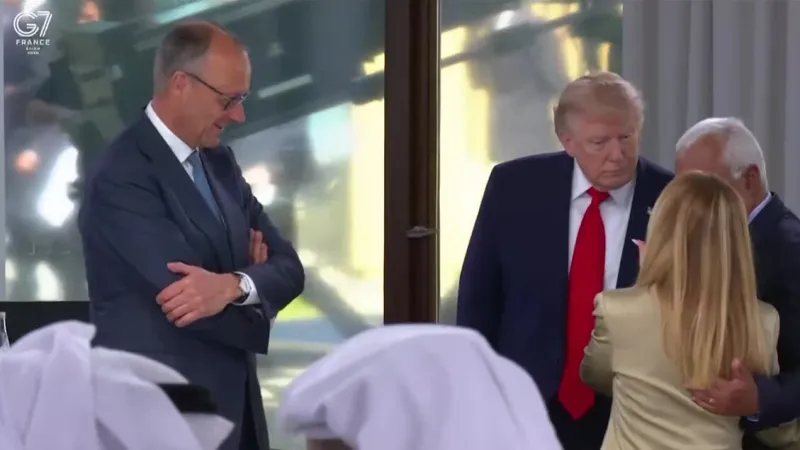
President Donald Trump immediately condemned the attack, calling it a dangerous escalation that threatens global stability. “The United States stands with its allies against any acts of aggression that jeopardize the free flow of energy and international commerce,” President Trump stated from the White House, promising a robust diplomatic response.
European Commission officials convened an emergency meeting to assess the implications for the continents energy security. Concerns are mounting over potential supply shortfalls and the broader economic ramifications of sustained high energy costs on industries and households.
“This incident is a stark reminder of the fragile nature of our energy infrastructure and the intricate web of global supply,” remarked Dr. Lena Andersen, a senior energy policy expert at the European Policy Centre. “Europe must now rapidly diversify and reinforce its energy resilience strategies.”
The attack follows a period of escalating tensions in the Middle East, with several maritime incidents and cyberattacks previously attributed to regional actors. This latest strike marks a dangerous new phase, directly targeting a crucial piece of global energy infrastructure.
Market data indicates a significant increase in trading volume as investors reacted to the news, liquidating positions in unrelated assets to secure energy commodities. The ripple effect is expected to impact industries ranging from manufacturing to transportation across the continent.
European Union leaders are expected to issue a joint statement later today, outlining potential measures to mitigate the economic fallout and coordinate an international response. Options likely include accelerating renewable energy investments and exploring alternative LNG sources.
The incident also casts a long shadow over ongoing international efforts to stabilize regional security, potentially undermining diplomatic initiatives and increasing the likelihood of further retaliatory actions.
For consumers, the immediate concern is a potential increase in utility bills and inflationary pressures as energy costs feed into broader economic indicators. Governments face the difficult task of balancing energy security with affordability.
As investigators continue to assess the full extent of the damage to the LNG plant, the world watches for further developments, keenly aware of the profound implications for global energy stability and international relations.
The attack underscores the strategic importance of LNG to Europes energy mix, especially following recent geopolitical shifts that necessitated a pivot away from traditional pipeline gas sources. The vulnerability of this supply chain is now glaringly apparent.
Industry insiders suggest that restoring the facility to full operational capacity could take weeks or even months, depending on the severity of the damage, meaning the market will likely contend with constrained supply for the foreseeable future.