 Angel Doris
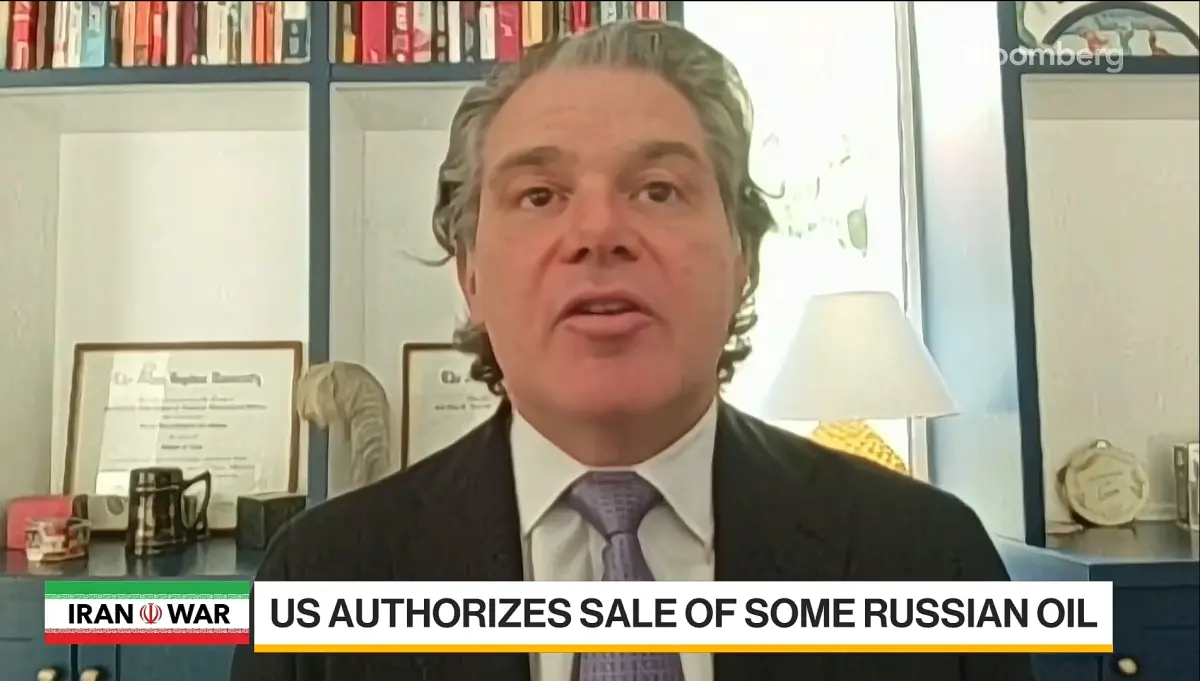
WASHINGTON — The US Treasury Department announced a significant regulatory adjustment this week, granting a waiver that permits the sale of additional Russian oil on global markets. The decision, effective immediately in 2026, aims to mitigate potential spikes in international energy prices and ensure market stability, according to department officials.
This latest authorization expands the scope of an existing framework, allowing for a greater volume of Russian crude and refined products to be processed and distributed by non-sanctioned entities. The move comes as global economies grapple with persistent inflationary pressures and the intricate balance of geopolitical interests.
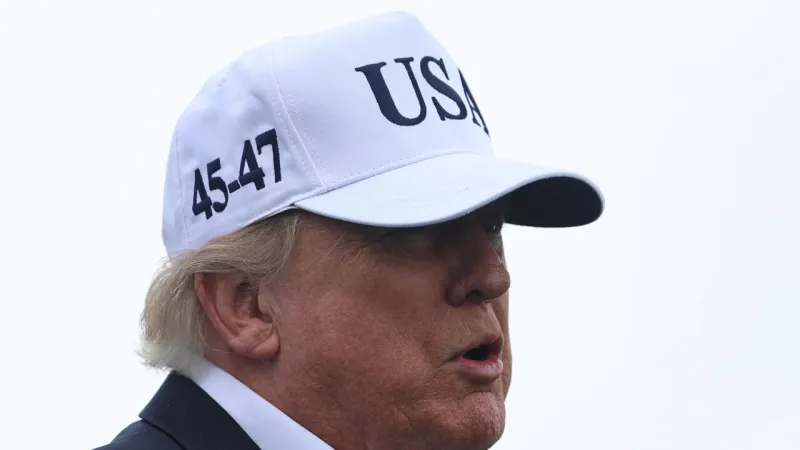
The White House, under President Donald Trump, has emphasized a dual strategy of maintaining economic pressure on Russia while preventing destabilizing energy shocks to allied nations and American consumers. This waiver reflects that delicate balancing act, a senior administration official stated during a background briefing.
Critically, the new guidance specifies that these sales must adhere to the established price cap mechanism, which was initially designed to limit Russia's war revenues. However, industry analysts suggest that increased volume, even under the cap, could still provide Moscow with substantial financial resources.
“Our objective remains clear: to constrict Russia's ability to fund its aggression while shielding the global economy from catastrophic price surges,” Treasury Secretary Steven Mnuchin was quoted saying in a press release. “This recalibration is a dynamic response to evolving market conditions.”
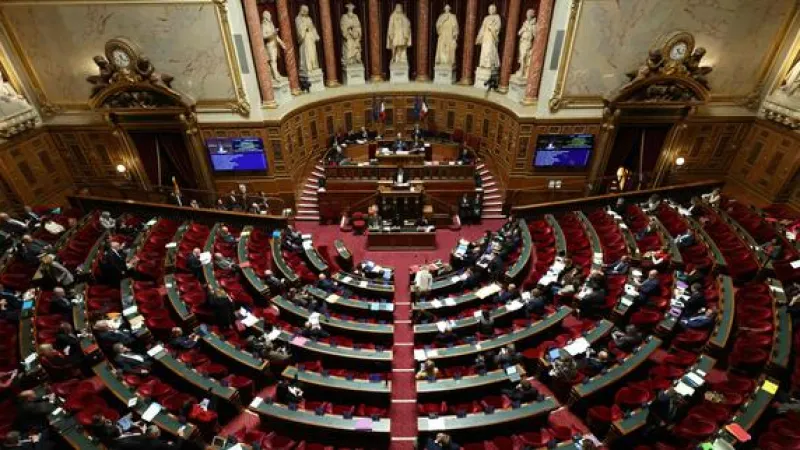
However, the decision has drawn criticism from some international partners and members of Congress, who argue it could undermine the efficacy of sanctions imposed following Russia's ongoing military actions. Senator Elizabeth Warren, D-Mass., expressed concerns during a recent televised interview, stating, “We must not inadvertently bolster the very regime we seek to sanction.”
The previous price cap coalition, comprising G7 nations and Australia, had set a maximum purchase price for seaborne Russian oil. This new waiver introduces complexities regarding enforcement and monitoring, particularly for countries that have been less stringent in their adherence to the cap.
Energy market experts predict the immediate impact will likely be a slight easing of crude oil futures, but the long-term effects on global supply chains and geopolitical alliances remain uncertain. The Treasury Department indicated it would closely monitor the implementation and market response to the expanded waiver.
This policy shift underscores the enduring challenges faced by President Trump's administration in navigating the intricate web of international energy politics and economic sanctions. Balancing punitive measures against Russia with global economic stability continues to be a central foreign policy tenet.
The Treasury's actions highlight a pragmatic, albeit controversial, approach to energy security in a volatile global landscape. The global economy watches closely for the full ramifications of Washington's latest gambit in its complex relationship with Russian energy exports.