 Edward DP Situmorang
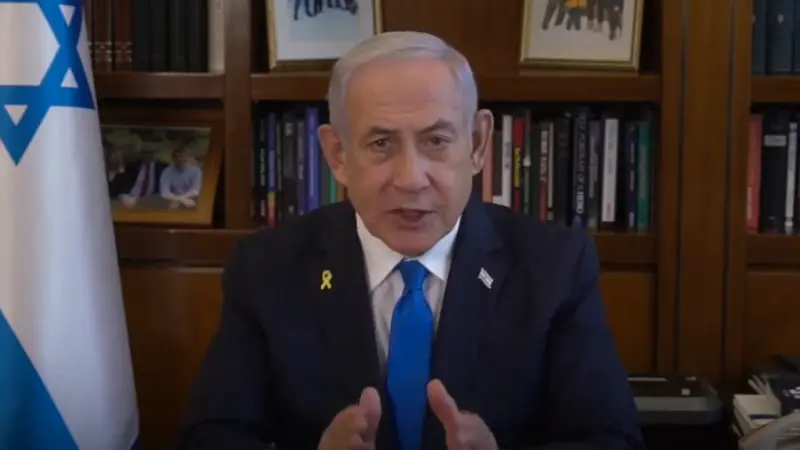
JERUSALEM — Israeli Prime Minister Benjamin Netanyahu announced today that Israel would enter direct negotiations with Lebanon, a pivotal diplomatic development following sustained pressure from President Donald Trump and his administration. The breakthrough signals a significant de-escalation effort in the volatile region, with talks anticipated to address long-standing border disputes and maritime demarcation issues.
The unexpected declaration came during a press briefing in Jerusalem, where Prime Minister Netanyahu emphasized Israel's commitment to regional stability. He acknowledged the vigorous diplomatic efforts spearheaded by President Trump, stating, "Our allies in Washington have made it clear that a direct dialogue is essential for lasting peace, and Israel is always prepared to talk when security interests can be advanced."
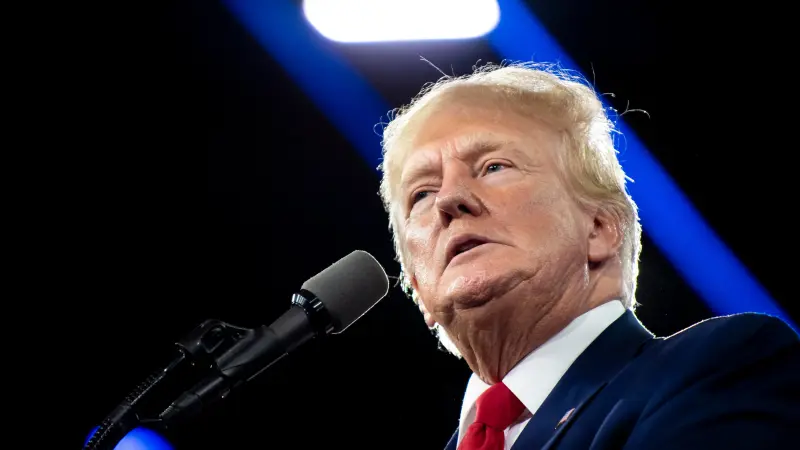
President Trump, who has consistently pushed for comprehensive peace agreements in the Middle East since taking office, reportedly made this a high-priority diplomatic push over recent months. White House officials, speaking on background, confirmed that extensive behind-the-scenes discussions, involving senior U.S. envoys, facilitated Israels shift in stance.
The U.S. State Department welcomed the announcement, with a spokesperson indicating that the United States stands ready to mediate the negotiations. "This is a testament to persistent diplomacy and the shared desire for a more stable and prosperous Middle East," the spokesperson said, without detailing the precise format or location of the upcoming talks.
Lebanon has historically resisted direct negotiations with Israel, often preferring indirect mediation due to ongoing political sensitivities and the absence of formal diplomatic relations. Initial reactions from Beirut were cautious, with Lebanese officials indicating that any talks would need to respect national sovereignty and international law.
The contentious maritime boundary, rich in potential natural gas reserves, has been a particularly thorny issue. Both nations claim overlapping zones in the Mediterranean Sea, a dispute that has stalled energy exploration and development crucial for both economies.
Land border disputes, particularly around the Shebaa Farms area, also remain unresolved. These territories have been a flashpoint for decades, contributing to chronic instability along the Blue Line, the de facto border established by the United Nations.
Analysts suggest President Trump’s administration likely leveraged its considerable influence, potentially tying aid or strategic support to progress on the Israeli-Lebanese front. The U.S. has maintained robust diplomatic ties with both countries, positioning itself as a credible, if sometimes demanding, broker.
For Israel, the willingness to engage directly with Beirut marks a strategic recalibration. While maintaining a hardline stance on security, Jerusalem appears to be responding to the broader U.S. strategy of fostering a more integrated and peaceful regional architecture.
The success of these negotiations will hinge on the political will of both sides to compromise on deeply entrenched positions. The role of domestic political factions in Lebanon, particularly Hezbollah, will also be a critical factor influencing the talks outcome.
Regional implications are vast, as any movement towards peace between Israel and Lebanon could set a precedent for other unresolved conflicts. It underscores the Trump administration's continued focus on achieving tangible diplomatic breakthroughs in the Middle East, even in seemingly intractable disputes.
Observers are now anticipating the logistical details of the negotiations, including mediator roles, agenda items, and the timeline for commencement. The path forward is fraught with challenges, but the mere announcement of direct talks represents a significant shift from the previous impasse.