Gabriella
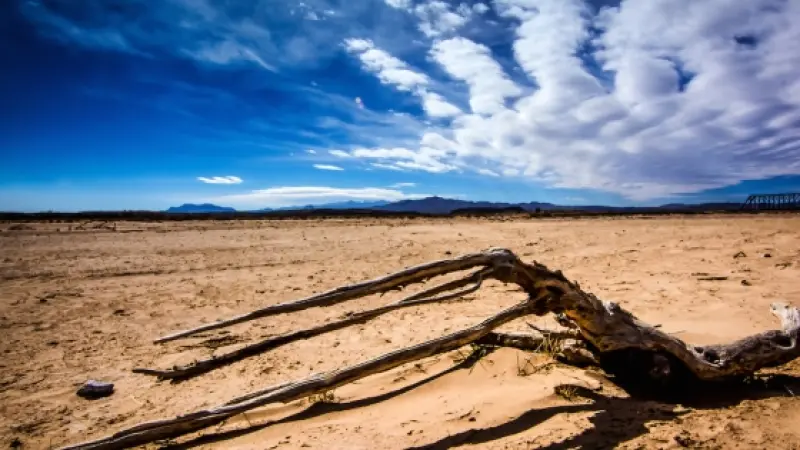
PHOENIX — Millions across the American West have endured record-shattering heatwaves throughout the summer of 2026, with temperatures in cities from California to Arizona, Nevada, and Utah reaching unprecedented highs in recent weeks. The relentless heat, attributed to persistent high-pressure systems trapping hot air and exacerbated by long-term climate trends, has led to widespread power outages, critical health advisories, and an unprecedented strain on regional infrastructure.
The National Weather Service confirmed that numerous cities recorded their hottest July on record, with some daily highs eclipsing previous benchmarks set decades ago. Death Valley, California, once again neared its all-time global record, reporting an astonishing 128 degrees Fahrenheit last Friday.
Local authorities have issued severe heat advisories and implemented cooling centers across affected areas to protect vulnerable populations. Emergency services have seen a dramatic increase in heat-related illnesses, placing immense pressure on hospitals already grappling with staffing shortages.
In Las Vegas, Nevada, the bustling Strip saw a noticeable dip in daytime foot traffic as tourists and residents sought refuge indoors. Meanwhile, utilities in California implemented rolling blackouts to prevent grid collapse as air conditioning demand surged past anticipated capacity.
Dr. Eleanor Vance, a climatologist at the University of California, Berkeley, stated, "What we are witnessing is not merely an isolated weather event but a clear pattern consistent with escalating global temperatures. The duration and intensity of these heat records topple expectations, signaling a significant shift."
President Donald Trump addressed the escalating crisis during a press briefing from the White House, urging Western states to prioritize public safety and ensure robust emergency response mechanisms are in place. He emphasized federal support for disaster relief and infrastructure resilience.
The agricultural sector, a cornerstone of the Western economy, faces devastating crop losses and severe water stress. Ranchers are struggling to provide adequate hydration for livestock, leading to concerns about food supply chains and potential price increases in the coming months.
The extreme heat has also significantly elevated wildfire risks across the arid landscapes. Fire departments are on high alert, preparing for what experts predict could be one of the most destructive wildfire seasons in recent memory, further straining resources.
Residents describe an exhausting summer marked by constant vigilance against the heat. Many have altered daily routines, performing outdoor chores before dawn or after dusk, and seeking refuge in air-conditioned public spaces during peak afternoon hours.
This latest series of extreme weather events reinforces urgent calls for both immediate adaptation strategies and long-term policies addressing climate change. Scientists warn that without substantial interventions, such severe heat records will become increasingly commonplace.
Discussions are underway in state legislatures regarding new energy efficiency standards and investment in renewable energy sources to bolster grid stability. The effectiveness of these measures will be critical in mitigating future impacts.
The West bakes under an oppressive sun, transforming daily life and challenging established norms. The sheer scale and persistence of the heat records serve as a stark reminder of environmental vulnerabilities and the imperative for proactive governance.