Gabriella
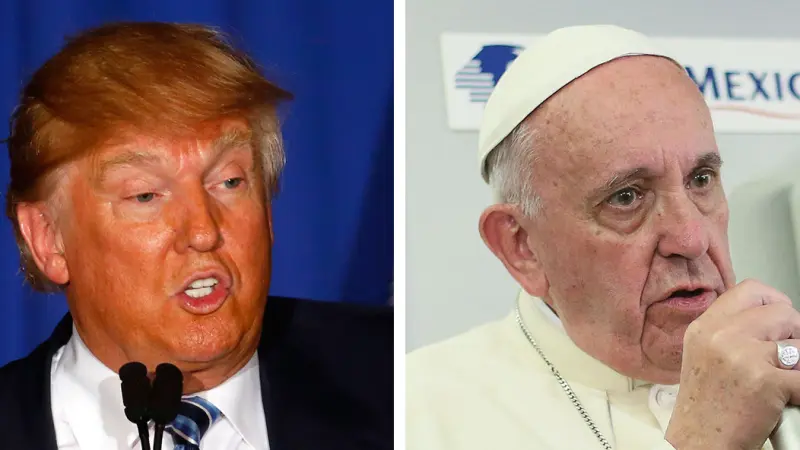
WASHINGTON — President Donald Trump ignited a firestorm of global condemnation this week after publicly criticizing Pope Francis and subsequently sharing a controversial image depicting Jesus Christ on his personal social media platform. The dual actions swiftly drew ire from religious organizations, political adversaries, and even some members within his own party, sparking intense debate over the role of faith and rhetoric in the highest office.
The President's initial remarks targeting Pope Francis emerged during an unscheduled press availability in the Oval Office, where he accused the pontiff of meddling in sovereign affairs and misrepresenting certain economic policies. While specific policy disagreements often arise between heads of state, the direct and pointed nature of President Trump's attack on the spiritual leader of over a billion Catholics was immediately perceived as an unprecedented breach of diplomatic decorum.
Shortly after these comments went viral, President Trump posted an image on Truth Social depicting a stylized representation of Jesus Christ. The accompanying caption, which has since been widely scrutinized, made a direct political statement, suggesting a divine endorsement of certain national policies. Critics quickly argued the post amounted to an inappropriate politicization of a revered religious figure.
The Vatican responded with a terse statement, expressing dismay over the President's characterization of Pope Francis's global outreach as interference. Cardinal Pietro Parolin, the Vatican Secretary of State, reportedly conveyed the Holy See's concerns through diplomatic channels, emphasizing the Pope's consistent message of peace and social justice for all nations.
Domestically, the backlash was immediate and bipartisan. Democratic leaders universally condemned the President's actions, with House Minority Leader Maria Rodriguez calling the posts "blatantly offensive" and an "insult to millions of Americans of faith." She urged the President to retract his statements and apologize to the Catholic community.
Even within Republican circles, several prominent figures expressed discomfort. Senator Michael Chen, a devout Catholic from Ohio, issued a statement calling for greater respect for religious institutions and their leaders. While not directly condemning President Trump, his remarks highlighted a growing unease among some conservatives regarding the President's combative approach to religious diplomacy.
Religious groups across the spectrum voiced strong objections. The National Council of Churches, representing various Protestant denominations, released a joint statement deploring the "cynical manipulation of religious imagery for political gain." Muslim and Jewish leaders also weighed in, emphasizing the importance of respecting all religious figures and symbols.
Analysts quickly pointed to the potential geopolitical ramifications of the President's comments. Relations with the Vatican, a significant diplomatic entity, could face strain. Furthermore, the perceived disrespect towards a global religious leader could complicate US foreign policy efforts in Catholic-majority nations, potentially undermining international alliances.
The online discourse surrounding the incident was equally charged. Social media platforms became battlegrounds for supporters and detractors, with hashtags related to the controversy trending globally. Many users questioned the appropriateness of using sacred imagery for political messaging, while others defended President Trump's right to free expression.
The White House has yet to issue a comprehensive response to the widespread criticism, beyond a brief statement from a spokesperson affirming President Trump's commitment to religious freedom. This silence has only fueled further speculation regarding the administration's strategy and the long-term impact of these highly polarizing remarks on national and international relations.
President Trump, known for his often unconventional communication style, has previously engaged in verbal sparring with various public figures. However, targeting a spiritual leader of Pope Francis's stature, coupled with the provocative religious imagery, marks a new escalation in his rhetorical approach, challenging traditional boundaries of political discourse.
The incident also brings into sharper focus the ongoing debate about the intersection of religion and politics in America. Critics argue that such actions erode the separation of church and state, while supporters maintain they reflect the President's personal faith and connection with his evangelical base.
As 2026 progresses, the repercussions of this diplomatic and religious fracas are likely to continue unfolding. Observers will be watching closely to see how the President's actions influence his standing among religious voters, particularly Catholics, and how the international community navigates the fallout from these unprecedented statements.