Gabriella
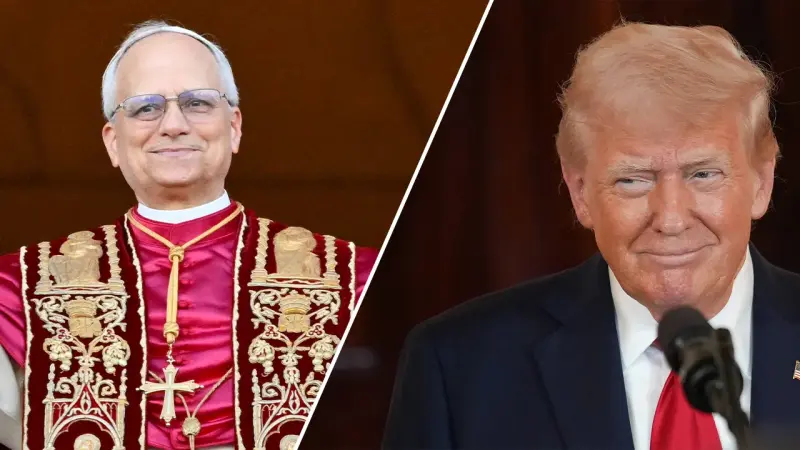
VATICAN CITY — Pope Leo issued a solemn warning today regarding the fragility of democratic institutions worldwide, delivering his message just days after President Donald Trump publicly criticized the integrity of several international electoral processes. Speaking to diplomats accredited to the Holy See, the Pontiff underscored the urgent need for global leaders to safeguard the fundamental principles underpinning free societies.
The papal address, traditionally a comprehensive review of the global landscape, specifically highlighted growing concerns over political polarization, the spread of misinformation, and declining public trust in governmental bodies. Pope Leo reportedly stated, "Democracy is not merely a set of rules, but a spirit of respect and collaboration that must be vigilantly protected against forces that seek to undermine its foundations."
This intervention by the head of the Catholic Church follows a series of remarks by President Trump, who recently questioned the legitimacy of election outcomes in allied nations and suggested reforms to international oversight bodies. These statements, made during a press conference at the White House last week, ignited debate among global political analysts.
Vatican observers note that while the Pope did not explicitly name President Trump, the timing and substance of his warning leave little doubt about its context. The Holy See has consistently advocated for democratic governance and the protection of human rights as cornerstones of a peaceful international order.
Pope Leo's remarks stressed that true democracy thrives on consensus and dialogue, not division. He called upon leaders to resist the temptation of populism that often exploits societal anxieties, emphasizing instead the universal values of justice, equality, and fraternity.
Diplomatic sources present at the Vatican universally acknowledged the gravity of the Pope's message. The consensus among many international representatives was that the Pontiff's warning served as a powerful reminder of shared responsibilities for upholding democratic norms during a period of global political fluidity.
The Vatican's history is replete with instances where popes have weighed in on global political matters, often positioning the Holy See as a moral authority on international affairs. Pope Leo's predecessors have frequently appealed for peace, justice, and the respect of national sovereignty.
This recent papal intervention underscores the growing concern within religious and international organizations regarding the stability of democratic systems. Many see the preservation of democratic principles as crucial for addressing pressing global challenges, including climate change, poverty, and conflict.
The relationship between the United States and the Vatican, historically robust, could see renewed diplomatic efforts following this pronouncement. While the Holy See maintains a non-partisan stance, it reserves the right to comment on issues it deems fundamental to human dignity and global peace.
As nations grapple with complex geopolitical shifts, Pope Leo's strong words add a significant spiritual and moral voice to the ongoing international debate about governance and the future of democratic ideals. His warning serves as a profound call to reflection for leaders and citizens alike.