 Chandra Wijayanto
WASHINGTON — President Donald Trump has called off a critical ultimatum issued to Iran concerning naval activities in the Strait of Hormuz, a move that followed Tehran’s receipt of a United States message delivered via international mediators. The significant de-escalation, confirmed by diplomatic sources today, March 14, 2026, marks a pivotal shift in the long-standing tensions surrounding the strategic waterway, aiming to avert a potential military confrontation.
The White House had previously issued a stern warning to Iran, demanding an immediate cessation of what it termed as disruptive maneuvers by the Islamic Revolutionary Guard Corps (IRGC) within the Strait. This ultimatum, delivered two weeks prior, set a clear deadline for compliance or faced unspecified but severe consequences from the U.S. and its allies.
According to sources close to the diplomatic discussions, the decision to retract the ultimatum came after a period of intense, back-channel negotiations involving several neutral nations. These mediators successfully conveyed a detailed U.S. communication to Iranian authorities, outlining Washington's concerns while also presenting potential avenues for reducing regional friction.
The content of the U.S. message remains undisclosed, but analysts suggest it likely included assurances of non-aggression under specific conditions, alongside a reiteration of the international right to free navigation through the Strait of Hormuz. It represents a tactical pivot from President Trump's administration, which had largely favored a policy of maximum pressure against Tehran.
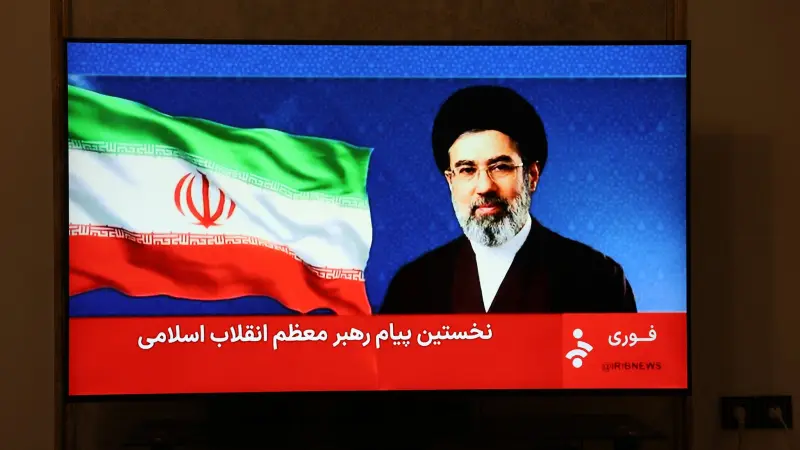
Iran, through its state media and official channels, acknowledged the receipt of the U.S. message but offered no immediate public comment on its specific contents or implications. However, the absence of further escalatory rhetoric from Tehran since the message exchange suggests a willingness to engage, at least indirectly, with the American overture.
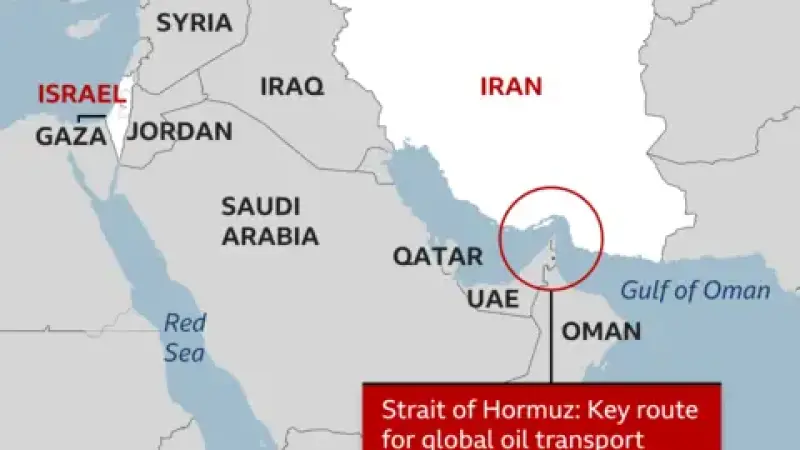
The Strait of Hormuz, a narrow choke point linking the Persian Gulf to the open sea, is critical for global oil shipments. Approximately one-fifth of the world's oil supply passes through this waterway daily, making any disruption a major international economic and security concern.
International observers and regional allies have largely welcomed the development, expressing cautious optimism that it could pave the way for more substantive diplomatic engagement between Washington and Tehran. The United Nations Secretary-General issued a statement commending all parties for prioritizing de-escalation and dialogue.
Experts on Middle Eastern geopolitics at the Carnegie Endowment for International Peace noted that the employment of mediators signifies a pragmatic approach from the Trump administration, acknowledging the deep mistrust that precludes direct, high-level talks. This indirect communication channel has historically proven effective in diffusing crises.
While the immediate threat of a military standoff has receded, significant challenges persist in the U.S.-Iran relationship. Core disagreements over Iran’s nuclear program, its regional proxy activities, and its ballistic missile development remain unresolved, requiring sustained diplomatic efforts.
This latest development underscores the complex and often unpredictable nature of international diplomacy in volatile regions. The retraction of the Strait of Hormuz ultimatum by President Trump provides a temporary reprieve and a potential pathway toward stability, but the road to a lasting resolution between the two nations is undoubtedly long and arduous.