 Dorry Archiles
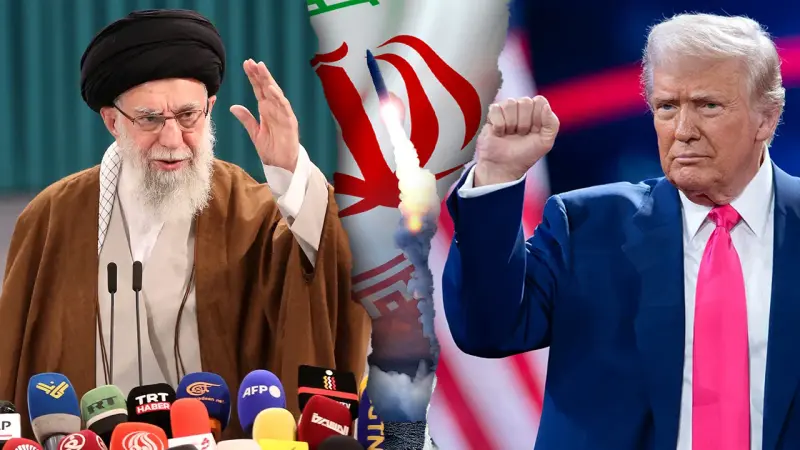
WASHINGTON — President Donald Trump today issued a forceful warning to the Iranian regime, declaring that “more will certainly follow” after a decisive strike destroyed what intelligence reports confirm as Iran’s largest and most strategically vital bridge. The direct threat from the White House signals a severe escalation of tensions between the two nations following an operation that significantly crippled Iranian infrastructure.
The strike, which occurred in the early hours of Monday morning, targeted the Shahid Rajai Bridge near Bandar Abbas, a crucial artery for military and commercial logistics linking southern Iran to the central provinces. Satellite imagery, released by undisclosed sources, shows extensive damage, rendering the massive structure impassable and disrupting key supply routes.
President Trump, speaking from the Oval Office, emphasized the United States’ unwavering resolve. “Tehran has tested our patience for too long,” President Trump stated, his tone unyielding. “This is a clear message. We will protect our interests and our allies. There will be more to follow if their destabilizing actions persist.”
Administration officials, speaking on background, indicated the strike was a direct response to recent unspecified provocations in the region, which they claim threatened American personnel and international shipping lanes. The Pentagon has yet to formally claim responsibility for the operation, maintaining a strategic silence on the specifics of the strike force involved.
Iran’s Supreme Leader Ali Khamenei condemned the act as “state terrorism” and vowed swift and crushing retaliation. Iranian state television showed footage of the damaged bridge, accusing the United States of a blatant act of war and calling for an emergency session of the United Nations Security Council.
International reactions have been swift and largely critical, with calls for de-escalation from global leaders. United Nations Secretary-General António Guterres expressed deep concern over the escalating hostilities, urging both Washington and Tehran to exercise maximum restraint and pursue diplomatic channels.
European Union foreign policy chief Josep Borrell also issued a statement, stressing the imperative of avoiding a wider conflict in the Middle East, a region already fraught with instability. Several nations in the Gulf expressed palpable anxiety over the ramifications of such a significant attack.
The destruction of the Shahid Rajai Bridge represents a major blow to Iran’s logistical capabilities. Analysts believe the bridge was essential for transporting goods, oil, and potentially military equipment from the southern ports to inland strategic locations. Its loss will undoubtedly impede Iran’s domestic and regional operations.
This incident marks a sharp uptick in the ongoing shadow conflict between the US and Iran, characterized by cyberattacks, proxy skirmishes, and economic sanctions. President Trump’s administration has consistently adopted a robust stance against what it characterizes as Iran’s malign influence across the Middle East.
Security experts are now dissecting the implications of President Trump’s “more to follow” declaration. Scenarios range from further targeted strikes on military installations to intensified economic pressure or expanded support for anti-regime groups. The immediate future appears poised for increased confrontation.
The commodity markets reacted sharply to the news, with oil prices surging amid fears of supply disruptions in the Strait of Hormuz, a critical maritime chokepoint. Global financial centers are closely monitoring the unfolding situation, anticipating potential economic turbulence.
Diplomatic efforts, already strained, face an unprecedented challenge. Observers question whether any back-channel communications remain viable or if both sides are now locked into an inexorable path toward direct military engagement.