 Stefani Rindus
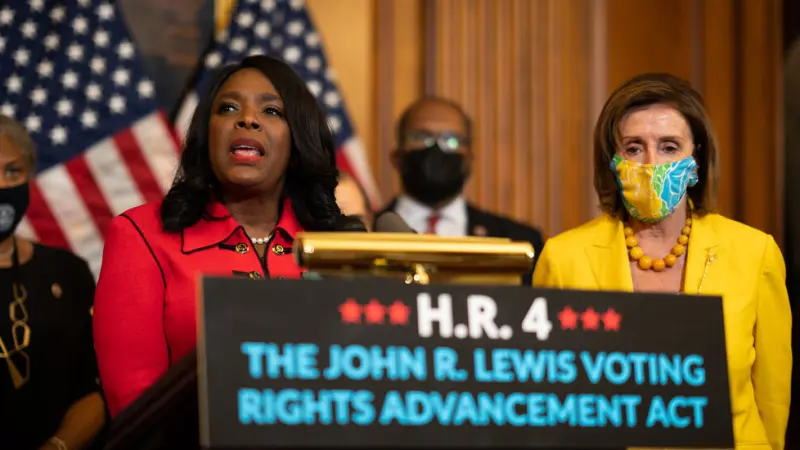
WASHINGTON — Senate Republicans are preparing to push a comprehensive voting bill to the floor this legislative session, a measure proponents assert is crucial for ensuring election integrity, while opponents contend it constitutes a concerted effort to suppress voter turnout. The proposed legislation, introduced by Senator Mitch McConnell of Kentucky and other key GOP figures, aims to standardize election procedures nationwide, particularly in the wake of persistent debates surrounding the 2024 presidential election.
At its core, the bill, titled the “American Election Integrity Act of 2026,” seeks to implement stricter voter identification requirements, mandate regular voter roll maintenance, and significantly restrict the use of unsecured ballot drop boxes. These provisions, Republicans argue, are necessary safeguards against potential fraud and irregularities that they believe undermine public confidence in democratic processes.
One of the most contentious elements of the bill is its requirement for photo identification at all polling places, a move supported by polls showing broad public approval but criticized by civil rights groups who argue it disproportionately affects elderly, low-income, and minority voters who may lack such identification.
Another significant change proposed is the limitation on absentee voting, stipulating that ballots can only be requested under specific, approved circumstances, such as military service or documented illness, thereby moving away from no-excuse absentee voting adopted by many states in recent years.
Republicans advocating for the bill emphasize that these changes are designed to restore faith in the electoral system, citing concerns over ballot harvesting and the integrity of mass mail-in voting. “Our goal is simple: make it easier to vote and harder to cheat,” stated a Republican Senate aide, speaking on background about the legislative effort.
However, Democratic leaders swiftly condemned the bill, labeling it an assault on voting rights and a thinly veiled attempt to disenfranchise eligible voters. Senator Chuck Schumer, the Democratic minority leader, vowed to block the legislation, asserting that it would erect unnecessary barriers to the ballot box for millions of Americans.
“This bill is not about integrity; it is about suppression,” Senator Schumer declared during a press conference outside the Capitol. “It represents a direct attack on the fundamental right to vote and seeks to silence the voices of our diverse electorate.”
President Donald Trump has repeatedly voiced his support for national voting reforms that he claims will prevent future electoral fraud. His administration has actively encouraged Republican lawmakers to pursue measures that bolster election security, aligning with the principles outlined in the proposed Senate bill.
Civil rights organizations, including the ACLU and the NAACP, have pledged to mount fierce opposition to the bill, warning of potential legal challenges should it advance through Congress. They argue that many of the proposed provisions harken back to a discriminatory era of voting restrictions.
The legislative text also includes provisions for enhanced federal penalties for election fraud and establishes a new federal election crimes unit within the Justice Department, aimed at prosecuting individuals who violate federal election laws. This move has drawn praise from conservatives who seek more robust enforcement of existing statutes.
Despite Republican control of the Senate, the bill faces an uphill battle in the narrowly divided chamber, where Democrats are expected to utilize procedural tactics, including the filibuster, to prevent its passage. A successful vote would likely require either a substantial bipartisan agreement or a change in Senate rules, neither of which appears imminent.
Political analysts suggest the timing of the bill is critical, setting the stage for a national debate on election administration just two years before the 2028 presidential election. Its passage or failure could significantly reshape the landscape of future electoral contests across the country.
The debate over the “American Election Integrity Act of 2026” underscores the deep partisan divisions surrounding the future of American democracy, with both sides entrenched in their positions regarding voter access versus election security.