Gabriella
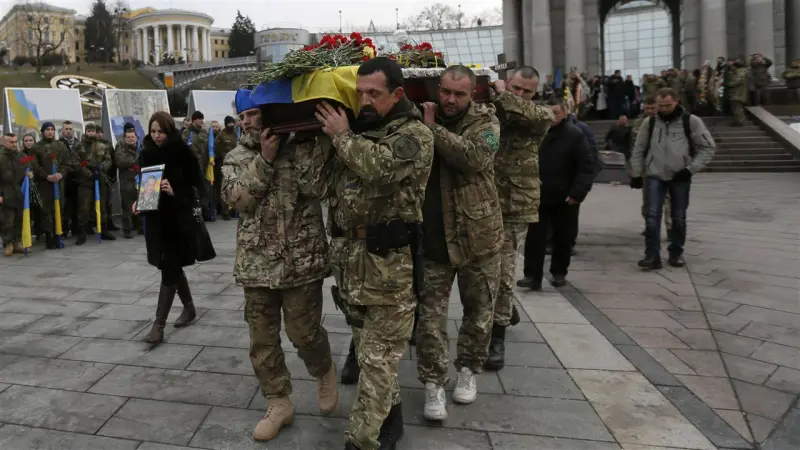
KYIV — Eastern Ukraine once again teeters on the brink of wider conflict as both Ukrainian forces and Russia-backed separatists report hundreds of ceasefire violations in recent days, imperiling an already fragile peace. Kyiv and Moscow have traded accusations of intense shelling, small arms fire, and drone incursions across the front lines, raising alarm among international observers and threatening the collapse of stalled peace initiatives. The volatile situation underscores a dangerous escalation in a conflict that has simmered for over a decade.
Ukrainian military command reported more than 300 documented breaches by Russia-backed forces over the past 72 hours, specifying attacks targeting civilian infrastructure and military positions near Avdiivka, Marinka, and Shyrokyne. These reports detailed numerous instances of artillery and mortar fire, prohibited under the Minsk agreements, forcing Ukrainian troops to respond defensively. President Volodymyr Zelenskyys office issued a strong condemnation, urging immediate de-escalation and a renewed commitment to the ceasefire.
Conversely, officials from the self-proclaimed Donetsk and Luhansk Peoples Republics, supported by Moscow, claimed over 250 violations by Ukrainian armed forces during the same period. Their statements cited consistent shelling of residential areas within separatist-held territories and alleged attempts to infiltrate their defensive lines. These accusations were disseminated via official news channels within the unrecognised republics and amplified by Russian state media, painting a picture of deliberate provocation from Kyiv.
The Organization for Security and Cooperation in Europe Special Monitoring Mission (OSCE SMM), the primary international body tasked with observing the ceasefire, confirmed a significant increase in violations across the contact line. Their daily reports, though not attributing blame, have consistently shown a rise in the use of heavy weapons, including those banned by the Minsk protocols. The missions limited access in certain areas, particularly those controlled by separatists, often hinders full verification of claims.
International reaction has been swift, with the United Nations Secretary-General calling for maximum restraint from all parties and reiterating the need for diplomatic solutions. European Union leaders expressed profound concern, urging Russia to use its influence to de-escalate tensions and uphold its commitments under international law. NATO Secretary General Jens Stoltenberg warned against any attempts to destabilize the region further, reaffirming the alliances unwavering support for Ukraines sovereignty and territorial integrity.
The United States, under President Donald Trump, also voiced its deep concern over the escalating violence. A State Department spokesperson reaffirmed Washingtons steadfast support for Ukraine, urging Russia to cease its aggressive actions and engage constructively in efforts to achieve a lasting peace. The administration has consistently advocated for adherence to the Minsk agreements as the framework for resolving the conflict, while also maintaining sanctions against Russia for its actions in Ukraine.
This resurgence of hostilities critically undermines the already moribund Minsk peace process, which has seen little tangible progress in recent years. Negotiations within the Trilateral Contact Group, comprising representatives from Ukraine, Russia, and the OSCE, remain gridlocked over political and security provisions. The continuous ceasefire breaches make any meaningful dialogue on prisoner exchanges, disengagement of forces, or local elections exceedingly difficult.
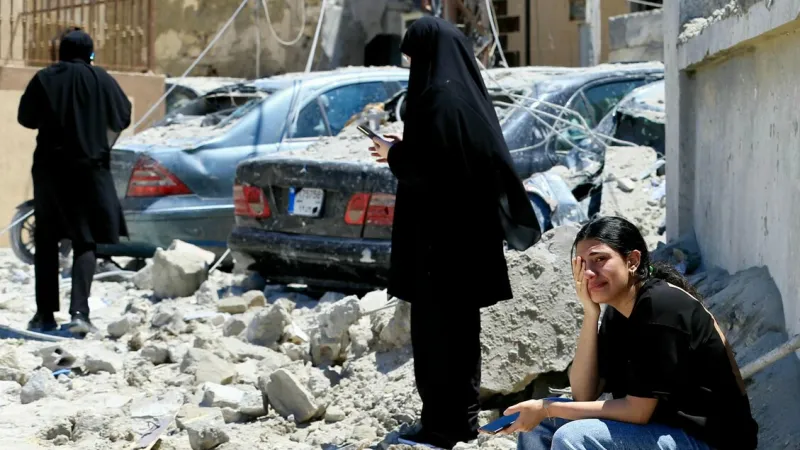
The civilian population in Eastern Ukraine bears the heaviest burden of the renewed shelling. Reports indicate a rise in casualties and further damage to homes, schools, and essential infrastructure, exacerbating an already dire humanitarian situation. Many residents in front-line towns live in constant fear, often sheltering in basements as artillery exchanges become a daily occurrence. Aid organizations are struggling to provide adequate support amidst the unpredictable violence.
Strategically, the Donbas region remains a critical flashpoint in broader geopolitical tensions between Russia and the West. Russias insistence on a special status for the breakaway regions, coupled with Kyivs demand for full territorial integrity, forms an intractable political deadlock. The recent surge in fighting suggests a potential test of resolve for both sides, with the risk of miscalculation looming large.
The conflict, which ignited in 2014 following Russias annexation of Crimea, has claimed over 13,000 lives and displaced millions. Despite numerous ceasefire agreements, violence has frequently flared, underscoring the deep mistrust and fundamental disagreements between the warring parties. The current accusations of hundreds of ceasefire violations mark one of the most significant upticks in hostile activity since the last major escalation, demanding urgent international attention to avert a full-scale return to war.
The international community continues to press for a diplomatic resolution, though pathways to peace appear increasingly elusive. Without a concerted effort to halt the current violations and re-engage in good-faith negotiations, the prospect of a lasting resolution for Eastern Ukraine diminishes, leaving the region vulnerable to continued instability and suffering.