 Debby Wijaya
Burgenstock, Switzerland – Iran has issued a stark warning regarding the potential closure of the strategically vital Hormuz Strait following recent raids in Lebanon, even as high-level diplomatic discussions commenced in Switzerland aimed at de-escalating burgeoning regional tensions. The dual approach underscores a complex geopolitical maneuver by Tehran, combining assertive rhetoric with an apparent willingness to engage in dialogue with international partners.
The dramatic declaration from Tehran came in direct response to what Iranian officials termed a violation of regional sovereignty through the recent military actions targeting sites within Lebanon. This move, a perennial threat wielded by Iran during periods of heightened friction, immediately sent ripples through global energy markets and diplomatic circles, given that the Hormuz Strait is the world's most critical chokepoint for oil shipments.
In a parallel development designed to avert further escalation, Iranian envoy Abbas Araghchi arrived in Burgenstock for crucial discussions. He is expected to meet with Stephen Witkoff, a senior representative of President Donald Trump's administration, among other key international figures. The presence of a high-ranking US official signals Washington's deep concern and commitment to finding a diplomatic off-ramp from the current trajectory of confrontation.
United Nations special envoy Andrew Vance is also anticipated to join the ongoing talks, adding another layer of international mediation to the intricate negotiations. These multilateral consultations are taking place against a backdrop of increasing volatility in the Middle East, with the potential for miscalculation carrying severe global consequences.
The threat to close the Hormuz Strait, a narrow waterway connecting the Persian Gulf to the open ocean, is not new. Iran has historically invoked this possibility as leverage when it perceives its national interests or regional allies to be under direct threat. Such a closure would severely disrupt global oil supplies, dramatically increase energy prices, and likely trigger a robust international military response to ensure freedom of navigation. Previous instances of similar threats have been met with swift condemnations and increased naval presence from international forces.
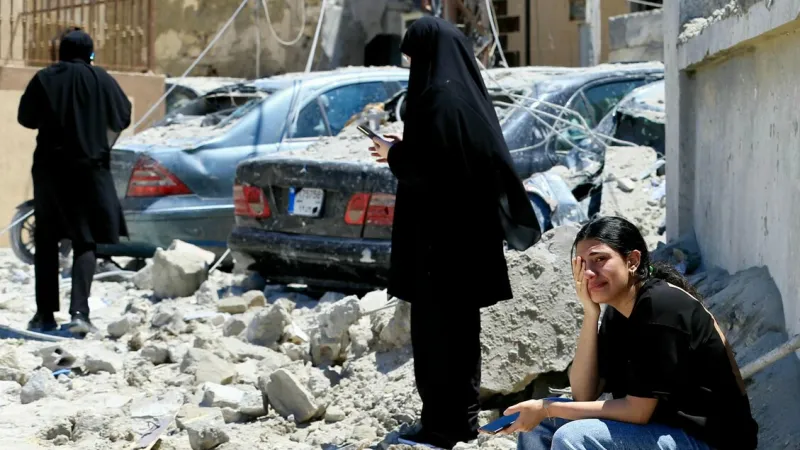
Tensions have been particularly acute following what Tehran describes as egregious attacks in Lebanon, exacerbating an already fragile regional security landscape. While details of the specific raids remain contested, Iran's swift and forceful condemnation suggests a profound impact on its strategic calculations and commitment to its proxies in the Levant.
President Donald Trump's administration has consistently pursued a policy of maximum pressure on Iran, yet has also indicated a readiness for negotiation under certain conditions. The presence of Mr. Witkoff at the Swiss talks indicates a pragmatic willingness to engage directly with Iranian counterparts, seeking pathways to stabilize the region despite ongoing disagreements. Indeed, President Trump's envoys have frequently converged in Switzerland for critical Iran diplomacy, a strategy noted by observers of foreign policy.
Diplomatic experts suggest that Iran's dual strategy – threatening a vital waterway while concurrently participating in peace talks – aims to amplify its leverage at the negotiating table. This approach attempts to demonstrate resolve and the potential for disruptive action, thereby compelling greater concessions from international players invested in regional stability and unimpeded maritime trade.
The international community watches with bated breath as these discussions unfold in the serene Swiss setting. The stakes could not be higher, with the potential for either a significant diplomatic breakthrough or a dangerous escalation of hostilities that could engulf the broader Middle East and impact global economies.
Previous incidents involving Iran and the Hormuz Strait, such as the period noted in an article discussing Iran Threatens Hormuz Closure Amid Israeli Ceasefire Orders, highlight the persistent nature of this flashpoint. The international community consistently reiterates the imperative for freedom of navigation through these international waters, viewing any obstruction as a severe breach of international law and a threat to global economic stability.
The outcome of the Burgenstock meetings will undoubtedly shape the immediate future of regional security and international energy markets. As diplomats engage in arduous negotiations, the shadow of potential conflict looms large, underscoring the urgency of finding a sustainable diplomatic resolution to the deep-seated grievances and strategic rivalries at play. The world awaits concrete steps toward de-escalation from these critical talks.