 Dodi Irawan
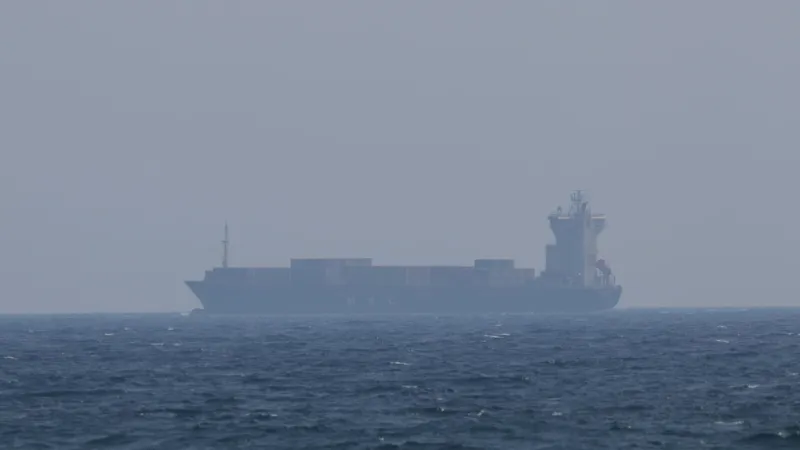
Tehran, Iran, has once again reclosed the strategically vital Strait of Hormuz, citing what it termed a violated agreement and protesting recent raids in Lebanon. This dramatic escalation immediately triggered high-stakes diplomatic maneuvers, with US and Iranian envoys convening in Switzerland to address the deepening crisis. President Donald Trump, weighing in on the maritime disruption, stated unequivocally that there would be "no toll" imposed by the United States.
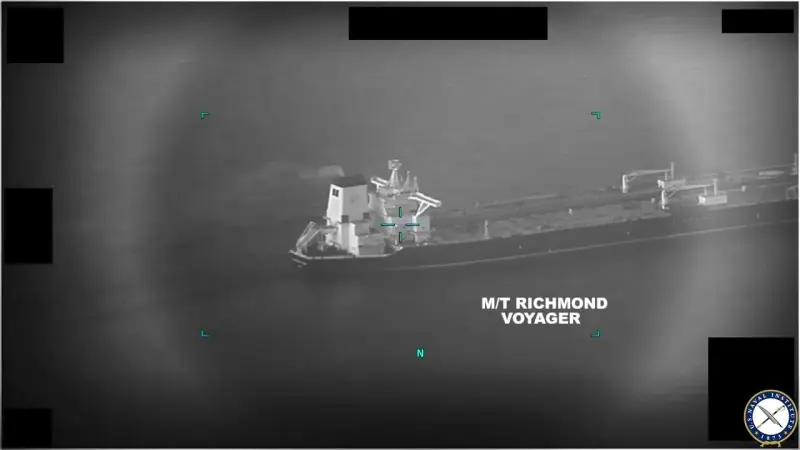
The decision to shut the Hormuz Strait, a narrow waterway through which approximately one-fifth of the world's oil supply transits daily, signals a significant hardening of Iran's stance against perceived regional provocations. International shipping routes are now facing severe uncertainty, prompting immediate concerns across global energy markets.
Iranian officials articulated their justification for the closure as a response to what they termed a violated agreement. While details of this accord, initially referenced by Tehran using the phrase "intesa violata," remain opaque, its purported breach appears to be a central grievance for Tehran, fueling the current defiant action. The move underscores Iran's willingness to leverage its geographic control over the critical passage.
Adding to the explicit rationale, Iran's foreign ministry specifically condemned what it termed "raids in Lebanon." These actions, presumably involving regional adversaries, have evidently reached a threshold that Tehran deems unacceptable, thereby prompting a direct, impactful retaliation against international commerce.
Against this backdrop of heightened tension, diplomatic efforts swiftly mobilized. Senior US diplomat Vance arrived in Switzerland to participate in urgent discussions aimed at de-escalating the situation. This confirms the administration's immediate prioritization of dialogue, even as maritime freedom remains under threat.
The talks in Burgenstock, Switzerland, brought together key figures from both sides. Among them were Iran's lead negotiator, Araghchi, and US representative Witkoff. Their presence at the negotiating table signifies the critical nature of these back-channel discussions, crucial for navigating the current impasse. This gathering follows earlier reports of Trump envoys converging in Switzerland for critical Iran diplomacy.
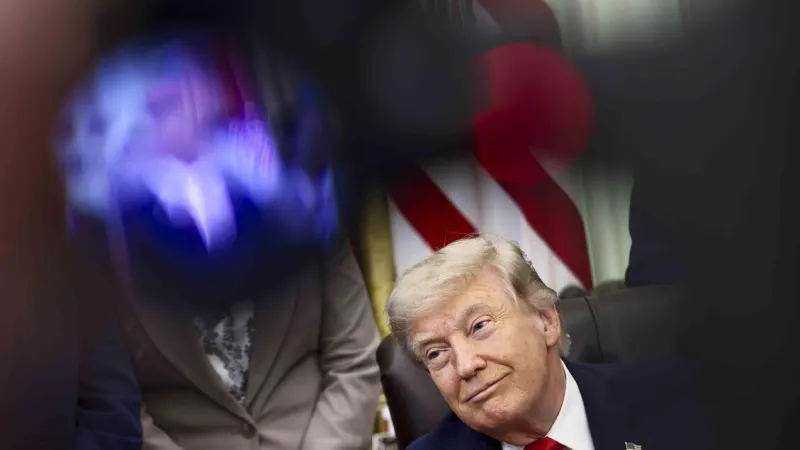
President Trump's public declaration of "no toll" directly addresses concerns that any unilateral action by Iran might be met with reciprocal charges for passage. His statement reaffirms the US commitment to unhindered navigation through international waters and signals a refusal to legitimize any Iranian attempts to monetize or control passage through the Strait.
The Hormuz Strait has long been a flashpoint in US-Iran relations, with previous closures or threats of closure sending ripples through the global economy. Each instance underscores the delicate balance of power in the Persian Gulf and the potential for a localized dispute to escalate into an international crisis. For context on past threats, see our previous coverage: Iran Threatens Hormuz After Lebanon Raids, High-Stakes Swiss Diplomacy Underway.
Navigational warnings have reportedly been issued to international vessels, advising caution or alternative routes. The immediate economic impact could manifest in rising oil prices and increased shipping insurance premiums, affecting consumers and industries worldwide.
Analysts suggest Iran's move serves as a dual message: one to regional rivals regarding the Lebanon raids, and another to the international community regarding the violated agreement. The timing of the closure, coinciding with high-level talks, may also be a tactical leverage play.
The international community watches closely, advocating for a swift resolution that ensures the freedom of navigation and prevents further destabilization of the Middle East. Energy security remains a paramount concern for numerous nations reliant on oil shipments through the Hormuz Strait.
The current diplomatic efforts in Switzerland represent a critical window for de-escalation. The presence of such senior officials indicates that both Washington and Tehran recognize the gravity of the situation and the imperative to prevent a broader conflict in an already volatile region. The stakes could not be higher for regional peace and global energy stability.