 Chandra Wijayanto
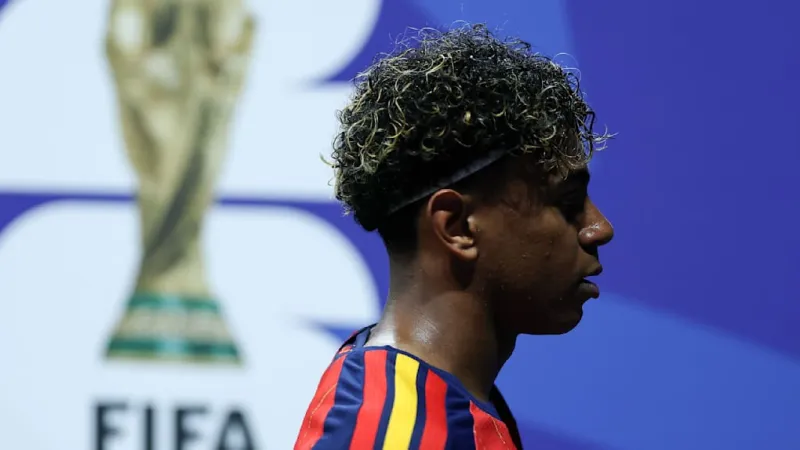
DOHA – Early Monday morning will witness a pivotal slate of four World Cup matches, prominently featuring Spain's second group stage appearance and Iran's crucial next fixture. Football fans globally will need to navigate access to three distinct broadcasting networks to catch all the action unfolding from the tournament venues. This multi-channel approach highlights the complex landscape of major international sports coverage.
Spain, considered by many as a pre-tournament favorite, enters its second match in a winless state. This unexpected start has intensified pressure on the squad and head coach, with their next opponent representing a significant hurdle in their quest to advance from the demanding group stage. A victory is paramount to rekindle their campaign hopes and avoid an early exit, a scenario that would shock many observers.
The Iranian national team also prepares for its second outing, carrying the weight of national expectations. Their performance in the initial match set a tone, and this upcoming game offers a vital opportunity to either solidify their position or recover lost ground. For Iran, every point is critical in their bid to progress further in the prestigious global tournament.
The decision to distribute these four matches across three different television channels underscores the fragmented nature of modern sports broadcasting rights. While this approach allows multiple networks to share the high-profile content, it places an onus on viewers to ascertain precisely where each specific game can be watched live, potentially requiring subscription to various services or careful channel switching.
For avid supporters, ensuring seamless access to these World Cup fixtures is a top priority. The early Monday schedule, combined with the varied broadcast channels, necessitates proactive planning from fans determined not to miss a moment of the tournament's high-stakes drama. This situation is a common discussion point among football communities online.
The current World Cup has already delivered its share of thrilling encounters and unexpected results. From the dominant performance seen in the Netherlands 4-1 victory over Sweden to the decisive moments that propelled teams like Germany into the Last 16, the competition remains fiercely unpredictable.
Each group stage match carries immense weight, as teams battle not only for victory but also for goal differential and head-to-head advantages. These factors can prove decisive in determining which nations advance to the knockout rounds. Spain's winless start, for example, means their goal difference could become a critical tie-breaker.
The global appeal of the World Cup transcends national borders, drawing in billions of viewers who follow every pass, tackle, and goal. The tournament serves as a unifying event, albeit one intensified by fierce rivalries and national pride. The upcoming fixtures, especially those involving prominent footballing nations, are expected to garner significant attention.
Coaches for both Spain and Iran are undoubtedly working intensely on their tactical approaches following their initial games. Adjustments in strategy, player selections, and formations are common after early results, as teams seek to exploit opponent weaknesses and shore up their own vulnerabilities. The pressure to perform is immense.
While multi-network broadcasts can pose logistical challenges for viewers, they are not unprecedented in the history of major sporting events. Broadcasters often aim to maximize reach and revenue by segmenting rights, a practice that has evolved with the proliferation of digital streaming platforms alongside traditional television.
As the countdown to Monday's matches begins, anticipation among supporters continues to build. The World Cup is a stage where legends are made and dreams are shattered, and the upcoming slate of games promises to add further chapters to this ongoing narrative. Fans eagerly await to see if Spain can reverse their fortunes or if Iran can make a significant stride.
The broader implications of national teams like Iran performing on the global stage extend beyond the pitch, often becoming a focal point for national identity and collective sentiment. However, for the players and coaches involved, the singular focus remains steadfastly on their athletic endeavors and securing a victory.