 Debby Wijaya
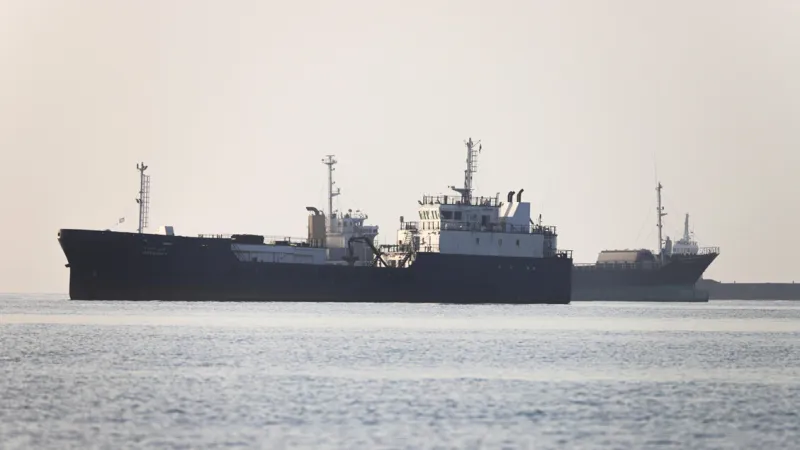
GENEVA – A significant diplomatic development is underway in the Middle East as Pakistan confirms the existence of what it termed a "common Iran-US text" for an agreement, with strong indications pointing to a potential signing this Sunday in Geneva. This revelation arrives amidst escalating regional tensions, underscored by the US Central Command (CENTCOM) reporting that it "shot down several Iranian drones" targeting commercial vessels in the strategically vital Strait of Hormuz.
The announcement from Islamabad marks a pivotal moment in the complex, often fraught, relationship between Washington and Tehran. Pakistan's Foreign Ministry stated that the text represents a consensus document, though specifics of its contents remain undisclosed to the public.
Concurrently, CENTCOM released a statement detailing the recent aerial engagement. According to the command, its forces intercepted and neutralized multiple unmanned aerial vehicles (UAVs) that posed a direct threat to international shipping lanes. The incident occurred in the narrow confines of the Strait of Hormuz, a critical chokepoint for global oil supplies.
The military action by CENTCOM highlights the persistent security challenges in the Persian Gulf. Naval assets routinely patrol the waterway to ensure freedom of navigation, a responsibility that often brings them into close proximity with Iranian military forces. This particular incident underscores the ongoing vigilance required to safeguard international commerce.
The dual developments – a potential peace agreement and an active military interception – present a complex tableau for regional stability. Analysts are working to reconcile the seemingly contradictory events, suggesting that the drone incident could either represent a last-ditch effort to disrupt diplomacy or a routine enforcement action occurring irrespective of ongoing negotiations.
Speculation surrounding a Sunday signing in Geneva suggests an accelerated diplomatic timetable. While the nature of the "common Iran-US text" is still under wraps, experts postulate it could address a range of issues from maritime security protocols to de-escalation mechanisms, or even steps towards broader confidence-building measures.
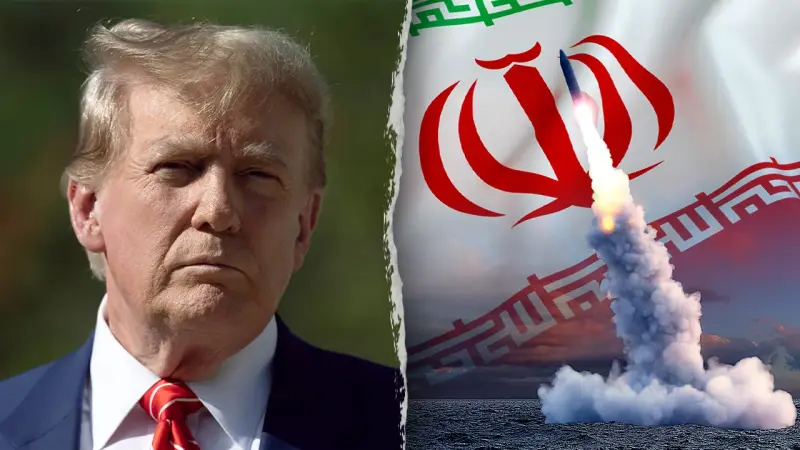
The administration of President Donald Trump has consistently prioritized American interests in the Middle East, seeking to curb Iran's regional influence while avoiding direct military conflict where possible. Any agreement reached would be a hallmark of President Trump's foreign policy approach to the volatile region.
Neither Washington nor Tehran has issued official confirmations or denials regarding the reported agreement text or the upcoming Geneva meeting. This silence is typical of high-stakes diplomatic endeavors, where details are often withheld until a definitive conclusion is reached.
Historically, negotiations between the United States and Iran have been arduous and protracted, frequently hampered by deep-seated mistrust and ideological divides. The prospect of a "common text" signals a significant, albeit fragile, step forward, potentially indicating a shared desire to avert further escalation.
Regional observers express cautious optimism, recognizing the potential for this agreement to usher in a period of reduced tensions across the Gulf. However, the recent drone interceptions serve as a stark reminder that the path to lasting peace remains fraught with peril and unexpected challenges.
The global community awaits further details, with particular attention on Sunday's anticipated developments in Geneva. The full scope and impact of this reported Iran-US text will only become clear as official statements emerge from the key stakeholders involved.