Angela Stefani
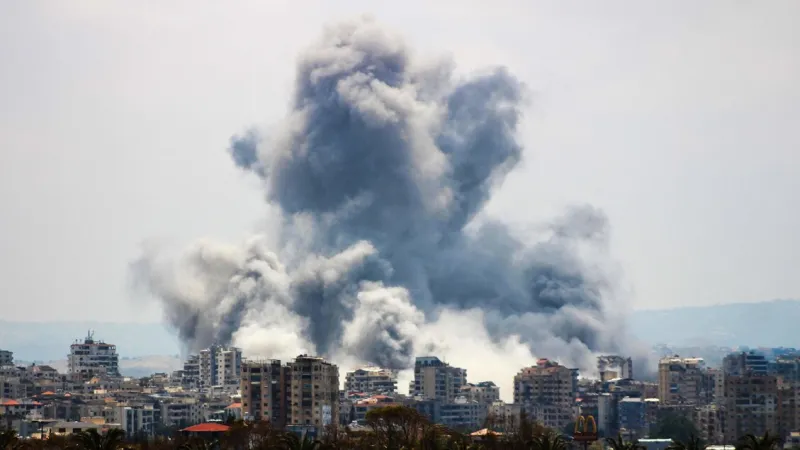
TAGANROG, Russia – Ukraine reportedly delivered a significant blow to the Russian Air Force this week, claiming the destruction of two long-range aircraft during a sustained drone assault on an airbase in this southern Russian city. Ukrainian defense officials asserted on Monday that the strike, which targeted critical assets deep within Russian territory, represents a notable operational success for Kyiv, highlighting the evolving reach and sophistication of its unmanned aerial vehicle program.
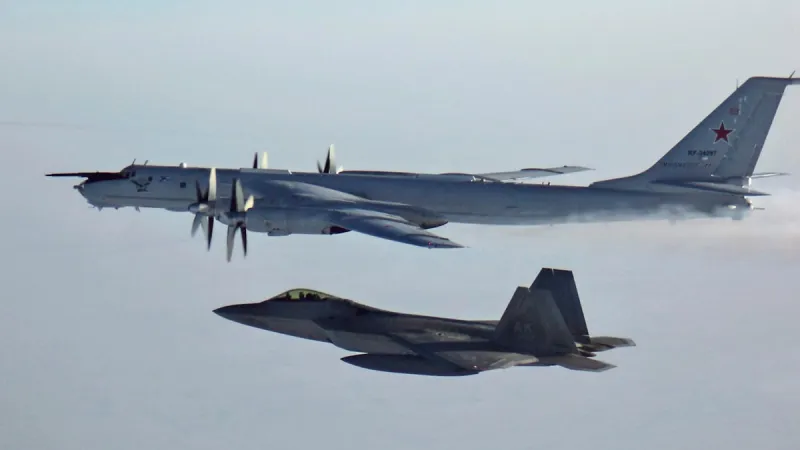
The precise type of aircraft destroyed was not immediately specified by Ukrainian sources, but long-range platforms typically encompass strategic bombers, large transport aircraft, or other high-value assets critical for projection of power and missile delivery. Such platforms are often integral to Russia's broader military strategy, particularly in prosecuting the ongoing conflict.
The attack on Taganrog, a port city strategically located on the Sea of Azov, places the incident far from the immediate front lines, underscoring Ukraine's capacity to penetrate Russian air defenses. The city serves as a key logistical hub and hosts significant military installations, making it a pivotal target for disrupting Russian operations.
This incident follows a series of increasingly daring drone attacks by Ukraine against targets deep inside Russia, including military airfields, oil refineries, and vital infrastructure. These operations aim to degrade Russia's military-industrial complex and disrupt its logistical networks supporting its forces in Ukraine.
Initial reports from Moscow did not immediately confirm the destruction of two such significant aircraft, though Russian authorities often maintain a cautious posture regarding damage assessments from Ukrainian strikes. Independent verification of the full extent of the damage remains challenging given the inherent complexities of wartime reporting.
WELT correspondent Ibrahim Naber provided early details on the Ukrainian claims, reporting on the alleged severe damage inflicted upon the Russian air force at the Taganrog site. Naber's dispatches have consistently monitored the evolving dynamics of the conflict's aerial dimensions.
The alleged loss of two long-range aircraft, if confirmed, would represent a substantial blow to Russia's strategic aviation capabilities. These assets are expensive, complex to manufacture or replace, and require highly trained personnel, making their destruction particularly impactful beyond mere monetary cost.
Analysts suggest that such deep strikes serve multiple purposes for Ukraine. They not only aim to diminish Russia's combat potential but also seek to sow disquiet within Russian society and compel Moscow to dedicate more resources to homeland air defense, thereby diverting them from the front lines.
The success of this operation draws parallels with earlier Ukrainian drone incursions that have targeted various Russian airbases, demonstrating a sustained effort to challenge Russian air superiority and inflict attrition on its valuable airframes. For instance, recent reports detailed a separate Drone Strike at Zaporizhzhia Nuclear Plant Triggers IAEA Alarm, highlighting the pervasive threat of drone warfare in the region. This pattern indicates a deliberate strategy to broaden the conflict's geographical scope.
This development signals a continued escalation in the air domain, as Ukraine increasingly leverages asymmetric capabilities to counter Russia's numerical and material advantages. The ability to strike at high-value targets like Ukraine's long-range aircraft bases is a critical component of Kyiv's evolving defense strategy.
International observers will closely monitor Russia's official response and any photographic evidence that may emerge to corroborate Ukraine's claims. The nature of Russia's counter-measures and whether it can effectively shield its strategic assets from such incursions will be a key determinant in the ongoing air war.
This reported event contributes to the broader narrative of a conflict marked by technological innovation and rapid adaptation from both sides. Ukraine's persistent efforts to develop and deploy advanced drones have fundamentally altered the operational landscape, forcing Russia to continually adapt its defensive and offensive strategies.