 Debby Wijaya
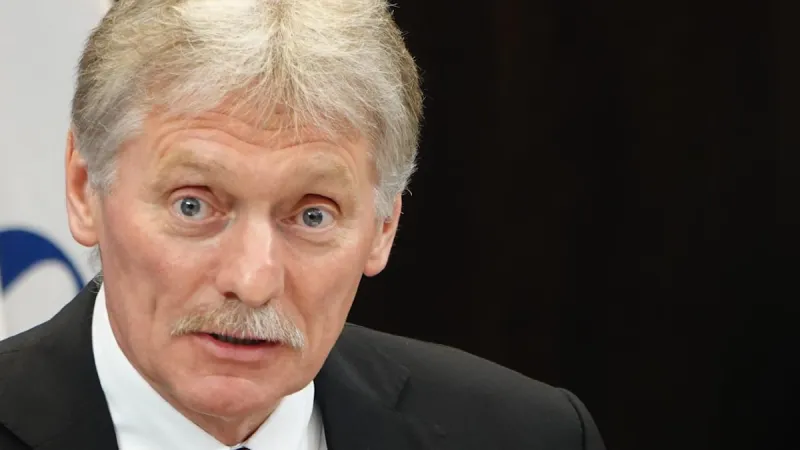
MOSCOW – The Kremlin has officially escalated its rhetoric regarding the protracted conflict in Ukraine, with spokesman Dmitri Peskov declaring that the situation has evolved into a "real war." This pronouncement signals a stark departure from the long-held official designation of a "special military operation," a term consistently used by Moscow since the February 2022 invasion.
Peskovs statement, made recently in Moscow, reflects a significant shift in how the Russian leadership frames the devastating conflict. For over four years, Russian officials, media, and citizens faced legal repercussions for deviating from the "special military operation" descriptor, which implied a limited, targeted intervention rather than a full-scale armed conflict.
The Kremlin's revised terminology underscores the enduring intensity and expansion of hostilities that have gripped Eastern Europe. While international bodies and most nations have consistently recognized the conflict as a war, Moscow maintained its euphemistic language, portraying the engagement as a localized effort to achieve specific security objectives.
This change in nomenclature by such a high-ranking official as Peskov, a close confidant of President Vladimir Putin, suggests a potential recalibration of domestic and international messaging. It could lay the groundwork for further mobilization efforts, an altered legal framework within Russia, or a more assertive stance in future negotiations.
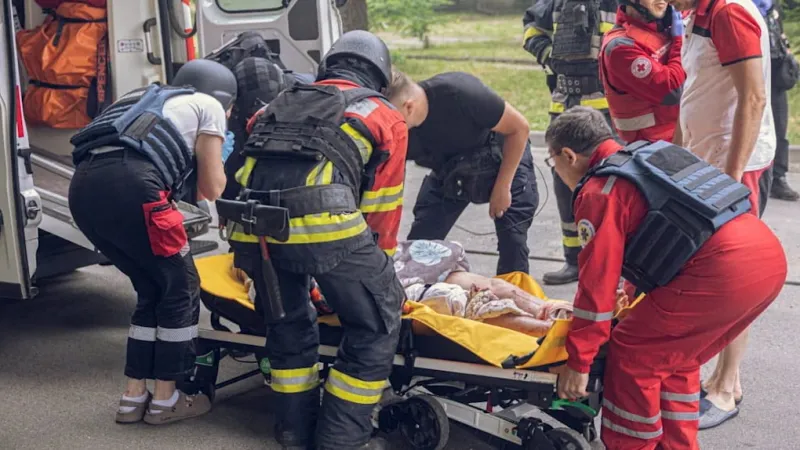
Christoph Wanner, reporting from Kyiv, notes that the shift is being closely monitored by Ukrainian authorities and international observers. The prolonged nature of the fighting, the extensive casualties, and the widespread destruction across Ukraine have made the previous "special operation" term increasingly untenable in its disconnect from reality.
Furthermore, Peskov provided details regarding a telephone conversation between Russian President Vladimir Putin and President Donald Trump. Such high-level communication between the two leaders often garners global attention, especially amidst ongoing geopolitical tensions and the Ukraine conflict. President Trump has frequently voiced concerns regarding NATO and the distribution of defense burdens among allies, as previously reported in articles like Trump Expresses NATO Disappointment, Cites Meloni's Insufficient Aid.
The transition from a "special operation" narrative to an overt declaration of "real war" carries profound implications for internal Russian policy. It may prepare the Russian populace for more stringent wartime measures, including potential new waves of conscription or economic adjustments to sustain a prolonged, acknowledged conflict.
For years, the Kremlin has carefully managed public perception, insulating many citizens from the full scope and gravity of the conflict by avoiding the term "war." The psychological impact of Peskovs admission could be substantial, forcing a re-evaluation among those who have adhered to the official line.
International reactions are expected to be varied. While many nations will view this as an overdue acknowledgement of reality, some analysts suggest it could also be a precursor to a more aggressive phase of the conflict or a hardening of Russias negotiating position. The move might also complicate efforts by third-party mediators seeking de-escalation.
The term "special military operation" was initially crafted to circumvent domestic legal prohibitions against criticizing war and to control information flow. Its abandonment indicates either a strategic decision to embrace the gravity of the situation or an admission that the initial objectives for a limited operation were not met.
The sustained support for Ukraine from Western allies, including significant military and financial aid, has played a critical role in prolonging the conflict beyond the Kremlins initial expectations. The decision to call it a "real war" might also reflect an attempt to rally domestic support against perceived external aggression.
This development serves as a critical indicator of the evolving geopolitical landscape in 2026. The shift in Kremlin rhetoric suggests a recalibration of strategic communication and potentially a new phase in the most significant European conflict of the 21st century.