 Dodi Irawan
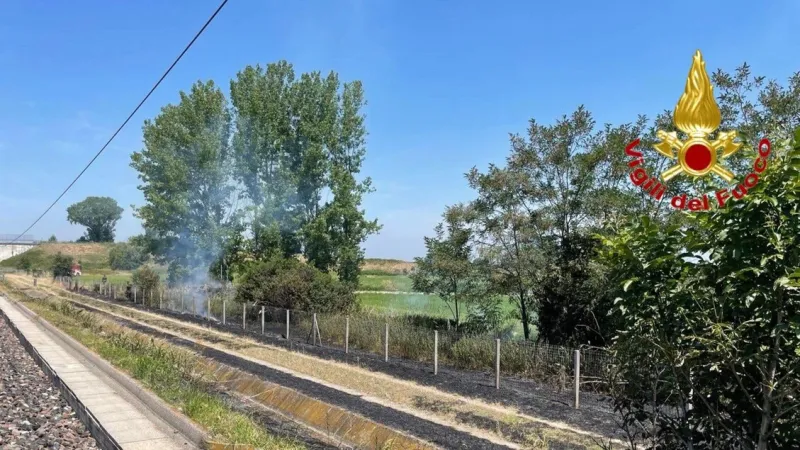
Milan, Italy — Italy's crucial Milan-Bologna high-speed rail line faced significant disruption today as technical checks on its electrical infrastructure prompted an immediate suspension of service, leading to the cancellation of approximately ten trains and severe delays for thousands of commuters and intercity travelers. The unexpected halt underscores the vulnerabilities within the nation's vital transportation networks.
Railway authorities initiated the extraordinary measure in the early morning hours to address unspecified electrical line issues. While the exact nature of the fault remains under investigation, the precautionary shutdown aims to ensure passenger safety and prevent further complications along the busy corridor.
Passengers attempting to travel between the key northern Italian economic hubs of Milan and Bologna encountered widespread confusion and lengthy waits at major stations, including Milan Centrale and Bologna Centrale. Many reported being stranded without immediate clarity on alternative travel arrangements.
The high-speed (Alta Velocità, AV) line is a cornerstone of Italy's railway system, connecting major cities like Turin, Milan, Florence, Rome, and Naples. Its suspension creates a ripple effect across the national network, impacting schedules far beyond the immediate affected segment.
Trenitalia, the primary state-owned railway company, and Italo, a private high-speed operator, both confirmed the significant impact on their services. Both operators began implementing revised schedules and advising passengers to consult official channels for the latest updates before heading to stations.
Emergency bus services and rerouted regional trains were reportedly being deployed to mitigate the severe backlog of passengers, although these alternatives often entail substantially longer travel times and increased congestion. The capacity of these backup systems is often insufficient to fully compensate for high-speed train volumes.
The incident has sparked renewed discussions about the resilience and maintenance protocols of Italy's advanced rail infrastructure. Regular technical inspections are standard, but a complete line suspension of this magnitude highlights the serious nature of the identified electrical concerns.
Historically, such disruptions can lead to significant economic repercussions, particularly for business travelers whose schedules are tightly calibrated. Freight transportation, which often utilizes segments of the passenger network during off-peak hours, may also face indirect delays.
Officials have refrained from providing a specific timeline for the full restoration of service, emphasizing that the line will remain suspended until thorough technical verifications are completed and the electrical system is certified as fully operational and safe. This cautious approach prioritizes safety over hasty resumption.
Travelers are strongly urged to verify their train status through official railway websites and mobile applications. Further updates from Rete Ferroviaria Italiana (RFI), the infrastructure manager, are expected as technicians continue their assessment of the electrical line.
This incident occurs as Italy continues to invest in and modernize its infrastructure, a focus underscored by initiatives aimed at bolstering the nation's future. For instance, President Mattarella has frequently urged innovation to enhance Italy's resilience and competitive edge, including in vital sectors like transportation. President Mattarella Urges Innovation to Bolster Italy's Future.
The disruption serves as a stark reminder of the complexities inherent in maintaining high-tech railway systems and the immediate challenges faced when critical components require unexpected intervention. The reliance on such efficient networks means even minor technical glitches can cascade into significant logistical headaches.
Local businesses reliant on the regular flow of commuters and tourists between Milan and Bologna may experience a temporary dip in activity. The affected areas represent a dynamic economic zone critical to northern Italy's prosperity.
While no injuries or accidents were reported in connection with the electrical issue, the primary concern remains the comprehensive identification and rectification of the fault to ensure a secure operating environment for future journeys. Safety protocols are rigorously enforced in the Italian railway system.
The public awaits official communiques detailing the findings of the technical investigations and concrete steps for preventing similar widespread disruptions. Transparency in reporting such incidents is paramount for maintaining public trust in the national rail service.