 Angela Stefani
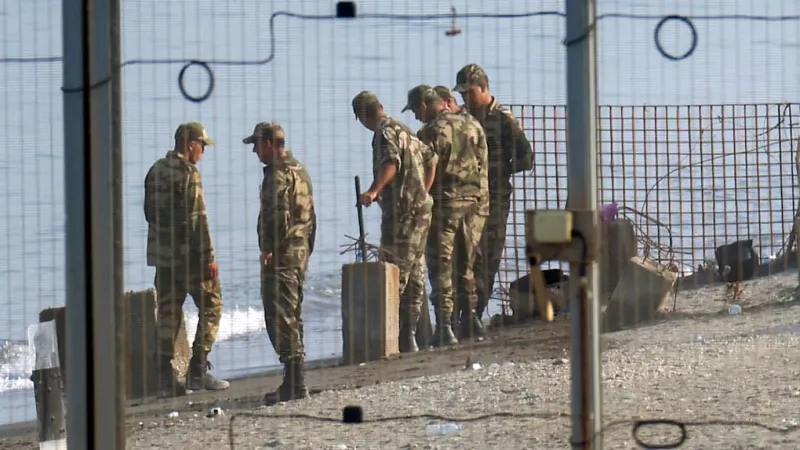
Ceuta, Spain – Spanish authorities have mobilized soldiers in combat uniforms to patrol beaches and reinforce its border fences in Ceuta, following widespread social media calls for a renewed mass migrant surge on the North African enclave. The proactive measures aim to deter potential irregular entries and maintain border integrity.
The surge of online activity reportedly included specific exhortations for individuals to converge on the Spanish territory, prompting an immediate and robust governmental response to safeguard its perimeter. These digital calls for action underscore the evolving methods used to coordinate attempts at irregular migration.
Reports from the region confirm that new barbed wire fences have been erected along various sections of the border separating Ceuta from Morocco. This measure complements the existing complex of fences designed to prevent unauthorized crossings.
Military personnel, identifiable by their combat uniforms, have been deployed to strategic coastal areas and land frontiers. Their presence is a visible deterrent, signaling Spain's resolve to control its external borders effectively.
Ceuta, along with its sister city Melilla, represents the European Union's only land borders with an African nation. These enclaves have historically served as critical flashpoints for irregular migration attempts into Europe, making their security paramount for both Spain and the wider EU.
Previous years have witnessed significant attempts by large groups of migrants to breach the border fences or swim around the coastal defenses, often leading to intense confrontations with border patrol forces. The current deployment echoes responses to similar incidents in the past.
The Spanish government views the situation with gravity, recognizing the potential for humanitarian challenges alongside security concerns should a mass influx materialize. Maintaining regional stability and secure borders remains a top priority.
The ongoing vigilance at Ceuta reflects a broader European trend. While irregular entries into the EU have seen fluctuations, with some reports indicating a significant decrease, as noted in recent analyses like EU Irregular Entries Plummet 37% As Ceuta, Melilla Remain Focal Points, Spanish enclaves often remain specific points of pressure.
Madrid often engages in close diplomatic cooperation with Moroccan authorities to manage migration flows. This collaboration is crucial in addressing the complex dynamics of cross-border movements, although the current threat appears to stem from less organized, social media-driven coordination.
The readiness displayed by Spanish forces underscores the persistent challenges faced by European nations in managing migration, particularly when digital platforms are leveraged to coordinate mass movements. The situation in Ceuta highlights the continuous adaptation required in border security strategies.
Officials remain vigilant, monitoring social media channels and intelligence reports for any further indications of an impending mass attempt. The fortified posture of Ceuta is expected to remain until the threat of an organized surge dissipates.