 Angel Doris
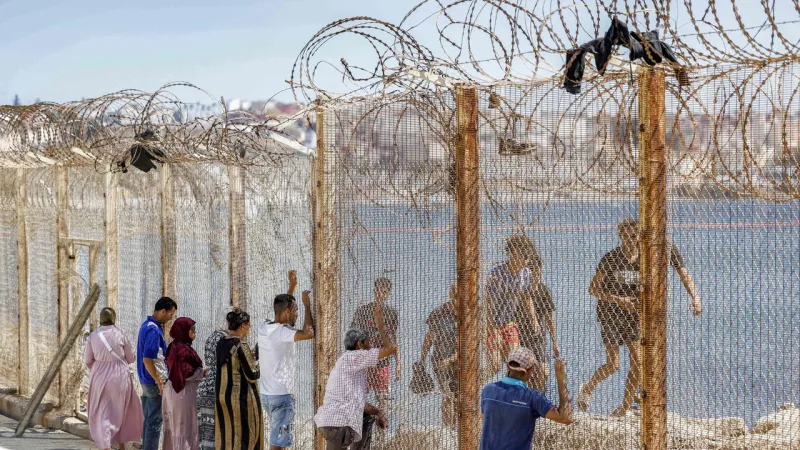
BRUSSELS – The European Union has witnessed a substantial decline in irregular entries, with the European Border and Coast Guard Agency, Frontex, reporting a 37% reduction across all routes during the first seven months of 2026. This significant decrease comes as the Spanish enclaves of Ceuta and Melilla continue to draw considerable focus as critical flashpoints in Europes migration landscape.
Frontex, the EUs primary body for border management, released figures indicating a notable shift in migration patterns and the effectiveness of current border control measures. The agency monitors the external borders of the Schengen area, providing operational support and conducting risk analyses to member states.
The enclaves of Ceuta and Melilla, situated on the North African coast, represent the European Unions only land borders with Africa. These strategically vital territories have historically served as direct entry points for individuals seeking asylum or better economic opportunities in Europe, making them constant subjects of intense scrutiny and robust security operations.
The reported 37% fall in irregular entries for the period between January and July 2026 signifies a broader trend in European migration dynamics. Experts attribute this downturn to a combination of enhanced border surveillance, improved cooperation with transit countries, and potentially altered routes employed by migrant smugglers, forcing a re-evaluation of existing strategies.
This development is particularly salient given the ongoing political discourse within the EU regarding migration policy. Leaders across the continent have repeatedly called for more effective external border controls. For context on such discussions, see Meloni Urges Stronger EU Borders Amid Migration Crisis.
While the overall numbers show a decline, the specific pressures on certain routes and entry points can fluctuate. The focus on Ceuta and Melilla underscores the persistent challenges faced at these unique land borders, despite the aggregate reduction in arrivals across the wider EU perimeter.
Frontex operations involve deploying border guards, coast guard vessels, and air surveillance assets to assist member states in managing their external frontiers. The agency also plays a crucial role in information sharing and intelligence gathering, which informs both tactical responses and long-term policy formulation.
The current figures build upon previous trends, which have seen various peaks and troughs in irregular migration over the past decade. A similar report detailed a significant decrease, as highlighted in EU Irregular Entries Plummet 37 Percent Amidst Shifting Migration Routes.
For member states like Italy, which often bears a substantial burden of sea arrivals, any reduction in irregular entries offers a measure of relief, though the complexities of migrant reception and integration remain paramount concerns. Roma has yet to receive a formal response from Berlin regarding specific migration proposals, indicating ongoing bilateral discussions.
Despite the positive aggregate statistics, critics frequently raise concerns about the humanitarian implications of stricter border controls and the potential for new, more dangerous routes to emerge. Human rights organizations continue to advocate for safer and legal pathways for those seeking protection or a new life in Europe.
The European Commission, in conjunction with Frontex and member states, continues to review and adapt its integrated border management strategies. The objective remains a balance between securing external borders and upholding fundamental rights for all individuals, irrespective of their migratory status.
As the year progresses, all eyes will indeed remain on key entry points like Ceuta and Melilla, as well as the central Mediterranean and Western Balkan routes, to observe whether this downward trend in irregular entries can be sustained. The efficacy of EUs migration pacts and bilateral agreements with non-EU countries will be crucial in shaping future outcomes.